A fire tower stay usually means booking a remote one-room lookout months ahead, then bringing key basics like water, bedding, food, and trash bags yourself. Which version fits you comes down to the booking system, the tower's amenity list, and how much rough access you can handle. Some rentals are little more than beds and a stove, while others add heat, a fridge, and cookware. If you're building a road trip around a fire tower, lock in the tower first, then shape the rest of the route around it.
The featured photo shows Green Ridge Lookout on the Deschutes National Forest in Oregon, with Mount Jefferson behind it. Green Ridge is one of the rental lookouts covered in this guide. (Photo: USDA Forest Service, Pacific Northwest Region)
How fire tower rentals actually work

The photo above shows Hornet Lookout on the Flathead National Forest in Montana, one of the Forest Service lookouts you can rent through Recreation.gov. (Photo: USDA Forest Service / Barbara Timms)
Most federal fire lookout rentals run through Recreation.gov, while some state-managed towers use their own booking system. The broad rental landscape is easiest to scan through the Forest Fire Lookout Association rental directory, but that directory is for discovery, not final booking.
That split matters more than people expect. A listing on Recreation.gov follows platform-wide rules for reservations, changes, and cancellations, but the exact facility page may override those rules.
The key question is not just which tower looks best. It's which booking system, ruleset, and access style fit how you actually travel. If you like one clean platform for comparing options, federal listings tend to feel easier. If you're fine with a more local process, a state-run tower can still be a great fit.
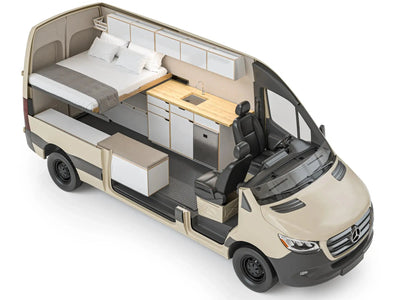
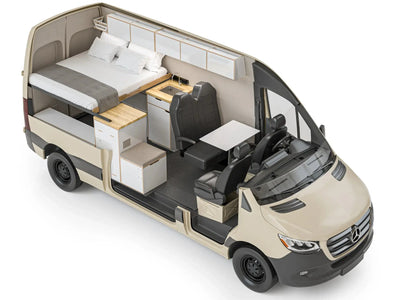
That planning style lines up with van travel, too. People comparing remote stays often end up comparing how much backup comfort they want in their rig. If you're still sorting that out, our pages on Sprinter conversions and Transit conversions show how different platforms support that kind of trip.
Federal bookings vs. state-park bookings
Federal lookout rentals often start on Recreation.gov, and that gives you one place to compare many towers. The platform lays out the baseline rules for reservations, changes, and cancellations. Still, the individual tower page is where you find the stuff that can make or break your trip, like gate access, key pickup, weather limits, and cleaning notes.
State-park bookings work differently. Washington State Parks reservations are not the same flow as a federal listing, so you can't assume the same fees, booking timeline, or check-in steps. Quartz Mountain Fire Lookout is a good example of that state-managed model.
The Forest Fire Lookout Association can help you find a tower, but it is not the operator. You still need to confirm the final rules on the official booking page for that exact site.
Federal listings are better when you want to compare a lot of towers in one sitting. State-run lookouts can feel more one-off, which means you need to read more closely. That same habit helps when you're mapping out storage, heat, and sleep setup in your van, and our build process page speaks to how we think through those use cases.
Why booking ahead matters

The photo above shows Calpine Lookout in the Tahoe National Forest, the rental its own listing describes as booked almost every night of the year. (Photo: USDA Forest Service, Pacific Southwest Region)
Lookout rentals are competitive. The Forest Fire Lookout Association notes that many federal towers open on a 6-month rolling basis, and Travel Oregon notes that most Oregon lookouts book out six months in advance and suggests weekdays for better availability.
Popular towers can fill almost at once. Calpine Lookout is described on its official listing as booked almost every night of the year. If you want a prime date, you should expect competition.
Because each lookout is usually a single structure, there is no backup inventory nearby. Miss the booking window and you may miss that whole region for your target weekend. For road trips, it's safer to book the tower first, then route the rest around it.
Weather can still change the plan after you've reserved it, so read the facility page as carefully as the calendar. It also helps to have a fallback sleep space if the tower plan gets messy. That's part of why many readers looking at remote stays also end up exploring custom camper van builds.
Fire tower rental costs and booking rules
A fire tower rental cost is rarely just the nightly rate. Recreation.gov adds a reservation service fee, so the total you pay is higher than the use fee alone. That sounds minor until you're comparing a few sites and wondering why the checkout number jumped.
The platform also has general rules for reservations, modifications, and cancellations. But again, the facility page can set different terms. So a cheap-looking night can carry a lot more risk if access is tricky or refunds are tight.
Some listings add extra steps beyond payment. A ranger district may contact you before arrival, or you may need gate, key, or code instructions to get in. A common mistake is assuming the confirmation email tells you everything. It usually doesn't.
If easy arrival after dark matters to you, pay attention to those details. A primitive tower with a gate code, a walk-in stretch, and no weather refund might be a poor fit, even if the nightly price looks good. That's also why many travelers like having a self-contained van, and our Foundation builds are meant for exactly that kind of practical trip planning.
Fees, modifications, and cancellation realities
Recreation.gov states that reservation service fees apply in addition to the use fee for reservable sites like cabins and lookouts. So when you compare prices, compare the full checkout amount, not just the number on the calendar.
The platform's sitewide rules cover changes and cancellations unless the exact tower page says otherwise. That means you need to verify cancellation language on the listing you want, not on a general help page alone.
Mestaa'ėhehe Mountain Fire Lookout makes this very clear with its no-refund weather language. For an exposed mountain rental, that's a big deal. Low nightly cost does not mean low-risk travel if storms, gates, or road conditions can derail the stay.
Remote lookout bookings also tend to be less flexible than a standard campground. There may be only one structure, and the access season may be short. That's why a backup plan matters, and why some travelers pair a tower stay with a van set up for heat, storage, and a solid bed platform like the DUO XL layout.
Access instructions and check-in logistics
Some towers need more than a simple check-in. Calpine's listing says the ranger district may contact renters in advance and provide gate or key instructions before arrival. That's not hard, but it does mean you should watch your email and read every message.
Mestaa'ėhehe uses combination-lock entry and also requires walking access beyond a locked gate. Booked does not always mean you can drive right up.
Facility pages often warn about limited cell service, so screenshot or print your arrival steps before you leave town. Quartz Mountain's state-park page lays out on-site items clearly, which can make check-in expectations easier to understand than some federal listings.
If your van already has heat and a full sleep setup, a delayed check-in is annoying, not trip-ending. You can explore that kind of trip support on our van build blog.
What’s provided when you stay in a fire tower

The photo above shows the inside of a lookout cab: a single bed, a work counter, and the round fire finder in the middle, with windows on every side. Beds and furniture like this are often provided, but bedding usually is not. (Photo: signal mirror, CC0)
Amenities vary a lot from one tower to the next. That's the first thing to understand before you stay in a fire tower. One site may give you little more than beds and a stove, while another offers heat, a fridge, and cookware.
Quartz Mountain is on the lighter end. It provides two single beds, extra mattresses, a table, chairs, a propane camp stove, an emergency lantern, and dishwashing tubs. That's basic, but usable.
Green Ridge lands in the middle. According to the Green Ridge Lookout listing, it has a futon, table and chairs, propane refrigerator, overhead light, propane wall heater, and a four-burner propane stove and oven. Mestaa'ėhehe is more developed still, with an electric stove, refrigerator, heat, beds, table and chairs, cookware and dishes, plus an exterior incinerating toilet.
Those examples point to three comfort tiers: lightly furnished, moderately equipped, and relatively developed. In real use, the difference between a great rustic night and a rough one often comes down to heat, refrigeration, and whether cooking feels simple or awkward. If your trip style leans more comfort-first, our vans for couples and family van layouts show how people build that margin into the rest of the trip.
Typical sleeping, cooking, and heating setups
Beds and mattresses can work well for a small group, but you still need to think about bedding. A bed frame on site does not mean bedding is included.
Green Ridge uses a futon instead of a full bed setup, and it adds a propane wall heater plus a four-burner stove and oven. That puts it in a useful middle zone. You're still in a lookout, but the stay feels less bare-bones.
Mestaa'ėhehe offers beds, heat, and a kitchen setup with an electric stove and refrigerator, which makes it one of the more comfortable examples in this group. Still, an on-site stove does not erase the need to verify cookware, matches, or backup food planning.
Heat matters a lot in exposed towers because these buildings sit high, catch wind, and cool down fast after sunset. On a cold, windy shoulder-season night, a heated van is a welcome backup.
Toilets, lights, and comfort-level differences
Quartz Mountain's emergency lantern and dishwashing tubs tell you a lot about its comfort level. It is furnished enough to function, but it does not read like a full cabin.
Green Ridge steps things up with overhead light and a propane refrigerator. That moves it past bare shelter and into something more comfortable for a short stay. Most of these towers have an outdoor vault toilet nearby, while Mestaa'ėhehe has an exterior incinerating toilet.
No two towers use the same comfort standard, so the phrase "fire lookout tower" doesn't tell you much on its own. If privacy, easy bathroom access, or indoor cooking convenience matter a lot to you, screen for those before you book, not after you arrive.
State-managed pages can sometimes present amenities more clearly than federal ones, but you still need to read every line item. That same attention to detail pays off when you're choosing storage, heat, and sleep systems in a van. Our DIY blog covers a lot of those practical tradeoffs at a high level.
What to pack in for a fire lookout stay
No water on site is one of the most common lookout conditions. Both Calpine and Green Ridge say guests must bring their own water.
Green Ridge also asks renters to bring food, water, sleeping bags, sleeping pads, towels, cookware, dish soap, matches, toilet paper, and garbage bags. Mestaa'ėhehe supplies more interior gear, but guests still need to bring their own water and sleeping bags or bedding. Calpine also requires guests to pack out all food and trash.
So the right packing list depends on the exact amenity sheet, but the same themes keep coming up: water, bedding, food, backup light, and trash management.
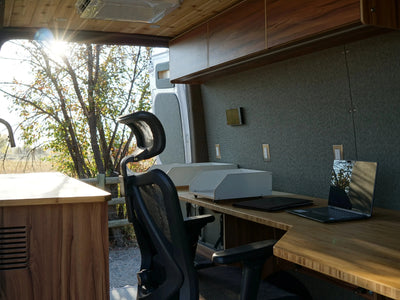
This is one place where a camper van helps a lot. Organized storage, onboard heat, and extra water capacity make a fire tower trip far easier because the tower becomes a destination, not your only support system. If that's the kind of travel you want, contact us and we can talk through what systems actually matter for remote overnights.
The non-negotiables: water, bedding, food, and trash
Calpine and Green Ridge both say no water is available, so bring your own. Water is usually the heaviest thing on your list, and also the least forgiving thing to forget.
Green Ridge gets even more specific and tells guests to bring sleeping bags, sleeping pads, food, towels, toilet paper, and garbage bags. Mestaa'ėhehe still requires water and sleeping bags or bedding, even though it has a more developed kitchen and interior setup.
Calpine's pack-out rule should shape how you portion meals and handle waste before you leave home. If all your leftovers and trash have to come back out with you, simple meal planning pays off.
Weather, safety, and backup planning

The photo above shows a snowshoer below Mount Brown Lookout in Glacier National Park in deep winter snow. In winter, reaching a lookout can mean snowshoes or skis instead of a drive-up arrival. (Photo: NPS)
Mestaa'ėhehe includes hazard guidance for lightning, winter storms, wind, limited cell service, and no refunds for weather. That's a strong reminder that these are exposed mountain stays, not normal roadside lodging.
Calpine shows how much access can change by season. In summer, it is drive-up. In winter, access may mean snowshoeing, skiing, or snowmobiling.
Limited cell service means you should not rely on streaming maps or inbox access once you leave paved roads. Screenshot directions, gate codes, and packing notes before you lose signal. A realistic backup plan matters more here than at a regular campground because nearby alternatives may be sparse.
For van travelers, this is where the value gets very real. If wind, cold, or access issues make the tower less comfortable than expected, you still have shelter, heat, and secure gear storage.
Best fire lookout rentals by region

The photo above shows Little Guard Lookout on a wildflower-covered ridge in the Forest Service Northern Region. Lookouts like this are spread across the West, so regional planning matters. (Photo: USDA Forest Service / Eileen Shurtz)
If you're starting broad, the Forest Fire Lookout Association directory is the best place to narrow options by state. From there, the best region depends less on scenery alone and more on the kind of stay you want: more furnished, easier access, or more rugged.
The Pacific Northwest stands out for variety. Washington has Quartz Mountain, and Oregon has several notable towers, with Travel Oregon calling out the state as a strong lookout destination. California's Calpine is a standout Sierra option because demand stays high and access changes with the season.
In the Rockies, Mestaa'ėhehe stands out because it offers a more developed amenity profile while still asking you to respect mountain weather.
For van-based travel, grouping towers by region helps you build a bigger trip around trailheads, public land, and weather windows. That kind of regional planning is also why many readers compare layouts like our Family XL when they want to stretch a simple overnight into a longer road trip.
Pacific Northwest: Washington and Oregon
Quartz Mountain Fire Lookout in Mount Spokane State Park is one of the clearest Washington examples. It books through Washington State Parks rather than Recreation.gov.
Oregon is a strong region if you want several lookout options within one state. Travel Oregon's fire lookout guide makes the same point and stresses planning ahead. Green Ridge is especially useful as an Oregon example because it shows what a mid-comfort federal tower can look like in practice.
If your ideal trip involves forest roads, cool nights, and a quieter lodging scene than major park hotels, this region is often a strong starting point. Just study each amenity list closely. The details change a lot from tower to tower.
California and the Rockies
Calpine Lookout in Tahoe National Forest is a standout California pick because demand stays high year-round. It also makes the self-sufficient model plain: bring your own water, and pack out your food and trash.
Mestaa'ėhehe in Colorado is one of the more comfortable examples in this set. It includes heat, a refrigerator, cookware, dishes, beds, and an exterior incinerating toilet. It still asks guests to respect mountain weather.
Spruce Mountain Fire Lookout Tower on Wyoming's Medicine Bow National Forest is another Rockies option on Recreation.gov. California and the Rockies tend to suit travelers who accept more logistics and exposure in return for bigger elevation, bigger views, and sharper seasonal shifts.
FAQ
How do I book a fire tower rental?
Most U.S. Forest Service fire tower rentals are booked through Recreation.gov, while some state-managed sites use their own system, such as Washington State Parks. Many federal lookouts open on a 6-month rolling window, so planning ahead matters. The easiest path is to use a directory for discovery, then confirm all final rules on the official booking page for the exact tower.
What is usually provided when you stay in a fire tower?
It varies a lot. Quartz Mountain provides two single beds, extra mattresses, a propane camp stove, an emergency lantern, and dishwashing tubs. Green Ridge adds a propane refrigerator, wall heater, and four-burner stove and oven, while Mestaa'ėhehe goes further with heat, a refrigerator, cookware, dishes, and an exterior incinerating toilet.
What do I need to pack in for a fire lookout tower stay?
Bring your own water first, because both Calpine and Green Ridge say no water is available on site. Many towers also require food, sleeping bags or bedding, towels, toilet paper, matches, and garbage bags. Always read the exact amenity list, because even a more developed tower may still expect you to bring key basics.
Are fire lookout rentals good for beginners?
They can be, but only if you choose the right tower. A more developed option like Mestaa'ėhehe is easier for first-timers because it includes beds, heat, a refrigerator, cookware, and dishes. More primitive towers can still be great, but they ask more from your packing, your weather tolerance, and your backup plan.
Can you stay in a fire tower year-round?
Some towers work across multiple seasons, but access can change a lot. Calpine is drive-up in summer, while winter access may require snowshoeing, skiing, or snowmobiling. So the short answer is yes, sometimes, but the real answer depends on the exact listing and current conditions.
About the author
Electra Chronis
Head of Marketing
Electra leads marketing at The Vansmith. She writes across van life, camping and travel, from planning a trip to choosing and building the van that gets you there.
Read more about Electra