Camping at Deception Pass in Washington works best when you treat it as a large park with distinct camping zones, not one simple campground. Which part of the park fits you depends on your site type, your timing, and whether beach access or showers matter more on this trip. The park packs shoreline, forest, bridges, beaches, and tide pools into one stop, so it makes a strong base for a multi-night stay. For van travelers, that means less camp moving and more time actually using the park.
The featured photo shows the Deception Pass Bridge arching over the pass between Fidalgo and Whidbey islands, the landmark at the center of the park. (Photo: Jet Lowe, Historic American Engineering Record, public domain)
Deception Pass camping in Washington: what makes this park worth the trip

The photo above looks down on fast-moving water along the rocky shore at Deception Pass State Park, where strong tidal currents run through the pass. (Photo: Madison Rios, CC0)
Deception Pass State Park is one of Washington's best-known coastal parks. People come for the saltwater shoreline, beaches, forest, and the bridge, all in one place. That mix is a big reason it draws both campers and day users all year.
It also helps that the park isn't built around one camping style. According to Washington State Parks' reservation park information, you can find individual campsites, a group camp, group day-use areas, and cabins here. That gives first-time visitors more room to shape the trip around how they actually camp.
Washington Trails Association sums up the scale well: 167 tent sites, 143 utility spaces, and 5 hiker-biker sites. That's a lot of inventory for one park. It also tells you right away that Deception Pass is more like a campground system than a single loop in the woods.
Families and first-timers usually notice the same thing. You can pair camp time with Puget Sound tide pools, a lake, beach time, and miles of hiking without making every outing a huge commitment. The official park page also calls out Rosario Tide Pools, so tide pooling isn't some side errand here. It's one of the main draws.
This park works especially well as a van stop because you can settle in for a few nights and explore from one base. Short walks, scenic drives, and shoreline stops are all close enough that you don't have to break camp every day. That helps a lot on a damp coastal trip.
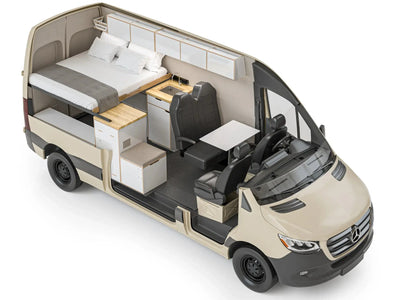
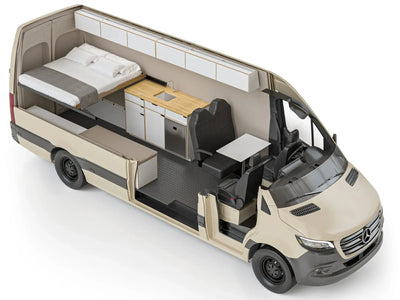
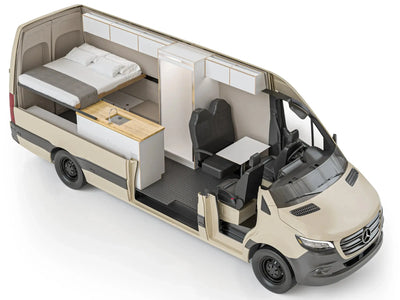
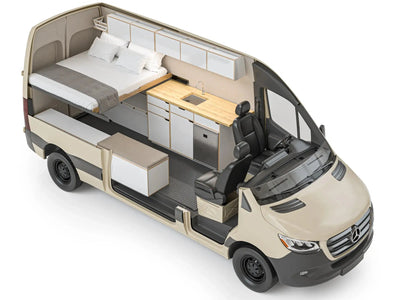
If you're traveling in a converted van, compact layouts tend to fit this park well. Couples often do great with vans for couples, while parents planning school-break trips may want to look at family van conversions. Wet shoes, sandy gear, and fast lunch stops are part of the trip here, so simple layouts usually feel best.
Who Deception Pass is best for
This park is a strong pick for families. The outing mix leans toward beaches, tide pools, and short scenic stops, not long all-day hikes. That makes it easier to keep kids engaged without overbuilding the day.
It's also friendly for first-time Washington coast campers. WTA notes drinking water, flush toilets, showers, garbage service, hookups, dump service, and firewood availability in the campground summary. For many people, those basics take a lot of stress out of a first coastal camp.
Visitors who want a reservation-based trip should like this setup too. Deception Pass is on the state's list of year-round reservation parks, so you aren't stuck gambling on a narrow first-come window. That matters if you're driving a long way or lining this stop up with ferries and other bookings.
If marine life and shoreline exploring are the whole point, Deception Pass beats an inland campground. Both the park page and the beach exploration guide single out Rosario Tide Pools. That's a clear sign of what this park does best.
Van travelers tend to like parks where the good stuff is close to camp. On a short weekend, less setup and less driving inside the trip usually means more actual beach time. For couples, a simple DUO XL layout can make that rhythm easy: park, walk, eat, reset, repeat.
How to frame the trip before you reserve
Your first choice isn't just yes or no on Deception Pass. It's which camping zone fits your priorities best: year-round access, water proximity, or the most sites to choose from.
Before you search dates, decide what kind of site you need. The park supports utility spaces, standard sites, hiker-biker options, and cabins. If you wait to sort that out until checkout, you'll waste time chasing availability that never fit your trip in the first place.
Flexibility matters more now than it used to. Same-day reservations became part of the statewide picture on March 24, 2025, so a late-breaking trip is more realistic than it once was. Still, if your whole plan is built around tide pooling, booking any random site in the park isn't enough.
Beach timing and access matter more than people expect. A good campsite is the one that reduces friction. Easier arrivals, showers when you need them, and enough room to deal with wet layers can make the whole stay feel smoother.
If you're building out a Washington road-trip van, this is also the kind of trip that helps you see what layout features matter in real life. You can browse Sprinter conversions, Transit conversions, or customize your van options while you plan. It gives you a better sense of how couples' and family layouts handle quick coastal stops.
Which Deception Pass campground should you choose?

The photo above shows Cranberry Lake on the Whidbey Island side of Deception Pass State Park on a cold, clear day. Cranberry Lake Campground, the park's largest, sits in the forest between this lake and West Beach. (Photo: Michaelhead99, CC0)
The official Deception Pass brochure and map is the best place to start. It makes the campground geography much easier to understand before you book. That's important because this park has distinct camping areas, not just one main campground with slightly different loops.
The brochure lists three campgrounds. Cranberry Lake is the largest, Quarry Pond is the only one open year-round, and Bowman Bay is the smallest and closest to the water. All three have showers.
Bowman Bay Campground has a different feel. The brochure describes it as seasonal, smaller, and close to the water. That makes it appealing if atmosphere and shoreline access matter more than having the widest amenity list.
The real trade-off isn't good campground versus bad campground. It's seasonality, site type, and shoreline feel.
For van campers, the best choice usually comes down to how you actually travel. If you want partial hookups, Cranberry Lake and Quarry Pond have the most of them. If you're self-contained and mostly outside all day, a simpler standard site may fit better.
One thing a lot of people overlook is camp routine. Families and gear-heavy travelers often regret choosing only for scenery. Showers, easier arrivals, and less daily friction can matter just as much by night two.
Cranberry Lake Campground
Cranberry Lake is the largest campground at Deception Pass. The brochure places it in old-growth forest between North Beach, West Beach, and Cranberry Lake on Whidbey Island, with 147 standard sites, 83 partial-hookup sites (mostly in the Forest Loop), five hiker-biker sites, and showers in all restrooms.
It is open seasonally, so check dates before you plan around it. When it is open, its size makes it the easiest place to find a site, and West Beach and the lake are a short walk from camp. The park notes that the West Beach area restricts vehicles and trailers over 25 feet, so check your rig length against your site.
Quarry Pond Campground
Quarry Pond's biggest edge is simple: it's the only campground open year-round, and it has the park's five rustic cabins. That makes it much easier for shoulder-season and winter trips, when other areas may not be available. If your dates are flexible but your season isn't peak summer, this matters a lot.
The brochure shows a mix of standard and partial-hookup sites here. That gives you more ways to match the site to your setup, whether you're in a tent, a camper van, or a bigger RV.
There's also a hiker-biker site at Quarry Pond. That won't matter to every reader, but it does help mixed-mode groups or trips where one part of the crew is arriving by bike. Cabins add another layer of flexibility for groups that don't all want to camp the same way.
Quarry Pond's restroom has showers, like the other two campgrounds, which families and beach campers feel the value of fast after a wet or sandy day.
For camper vans, a year-round area with showers and varied site types is usually the safest bet. Cold, wet, windy weather changes the mood of camp fast. Quarry Pond gives you more ways to adapt without changing parks.
Bowman Bay and the smaller-waterfront feel
Bowman Bay is seasonal, so don't assume it's available just because the park is open. That's the first thing to verify. If your dates are outside its operating window, the choice is made for you.
Its appeal is easy to understand. The brochure describes it as smaller and close to the water, and that's the cleanest summary of why people choose it. It feels more intimate and more shoreline-focused than the larger campgrounds.
That smaller scale can be a plus. If your ideal morning is waking up near the water and spending most of the day outside, Bowman Bay may feel more like the trip you pictured. Fair-weather weekends are where it tends to shine.
Still, smaller also means fewer fallback options. If your dates, site type, or exact spot matter a lot, early planning matters more here. Quarry Pond is the better pick over Bowman Bay for most first visits, because the extra flexibility usually beats the prettier idea on paper.
Van travelers often enjoy Bowman Bay most when camp is just a launch point. If you're outside most of the day and don't need much camp infrastructure, its smaller waterfront feel can be a great fit. If you want more sites to choose from, Cranberry Lake or Quarry Pond is the easier search.
Rules and limits that affect campsite choice
The brochure also lays out the practical rules that can change your campsite decision. It covers maximum stay length, vehicle and person limits, quiet hours, and firewood guidance. Those details are worth checking before you click reserve.
This stuff matters because the nicest-looking site may not fit your group. A site can be perfect in photos and still be wrong for your vehicle count, your trip length, or your party size.
Firewood guidance is easy to gloss over, but out-of-town campers shouldn't. A lot of people assume they can bring wood from anywhere or buy it at the last minute. The brochure is the place to check that before arrival.
Quiet hours matter more than many van travelers expect. Good insulation helps inside a van, but it doesn't erase campground noise. Families with early bedtimes usually feel this right away.
Vehicle limits can also shape the whole plan. One well-set-up van often fits the rules and the site better than multiple cars and tents spread across camp. That's one reason compact, organized builds tend to work well in state parks.
If you're still sorting out your setup, our build process, Foundation builds, and van build blog can help you think through what you really need for trips like this. A simple, well-contained camp footprint goes a long way.
Reservation timing, booking windows, and current camping policies
Deception Pass is one of Washington State Parks' year-round reservation parks. That means you're not boxed into a short seasonal booking window. You can plan this park as part of a spring, summer, fall, or winter route.
The state's making reservations page explains the actual booking channels. You can reserve online or by phone. That's the page to use if you want the current process, not guesses from old trip reports.
The big policy update is same-day reservations. Washington State Parks expanded same-day camping reservations to all campgrounds with reservable sites starting March 24, 2025. The agency also notes that Deception Pass had already been part of the earlier pilot.
That changes the old planning math. You no longer have to think in terms of book months ahead or skip the trip. If there is availability, there is now an official same-day path.
Still, don't overread that policy. For high-demand summer weekends, same-day should be your backup plan, not your main one. Van travelers do have an edge here, though, because it's easier to pivot dates and keep a coastal loop moving.
How early should you book Deception Pass campground?
Assume strong demand for prime summer and holiday dates. This is one of the state's best-known parks, so prime dates go quickly.
Small seasonal areas like Bowman Bay are less forgiving than year-round Quarry Pond or the much larger Cranberry Lake. There are simply fewer chances to land your first choice. If Bowman Bay is the dream, plan earlier.
Specific site types also push you toward early booking. Utility hookups, cabins, and hiker-biker options narrow the field fast. As soon as your dates are firm, start looking.
If your trip is flexible, Quarry Pond is usually the better first search. Its year-round status and wider mix of site types give you more ways in.
Families traveling on school breaks should expect less wiggle room. A smart van strategy is to anchor the route with one reservation, then leave the nights around it more open. That works well in western Washington, where weather and ferry timing can shift the day.
Same-day reservations and last-minute trips
As of March 24, 2025, same-day camping reservations are available at all Washington State Parks campgrounds with reservable sites. That's a statewide change, and it matters here in a real way. Deception Pass was already part of the earlier pilot, so this park has been part of that flexible-booking conversation for a while.
The practical takeaway is simple. You can check availability and secure a site on the day you plan to arrive, instead of guessing about walk-up access. For travelers who like to follow weather windows, that's a real tool.
The state's reservation page is still the place to confirm the actual process. Booking channels and procedures live there.
Last-minute trips work best if you can shift arrival day, campground area, or site type. Self-contained vans are great for this. You can commit late and settle in fast without wrestling with a big tent setup after dark.
The bridge, beaches, and best shoreline stops inside Deception Pass State Park
Deception Pass is more than a campground. The bridge and shoreline features are central to the whole visit, and they should shape how you spend your time.
WTA highlights Puget Sound tide pools, a lake, and miles of hiking. That helps explain why many campers spend as much time exploring as they do sitting around camp.
WTA also recommends West Beach Sand Dunes and Goose Rock. Those two outings are easy to fold into a campground-based stay. They give you options beyond the most famous shoreline stop.
The best way to think about the park is in zones: camp, bridge viewpoints, beach time, and tide-pool windows. Trying to cram all of it into one rushed afternoon usually backfires. Leave some space in the day.
The best Deception Pass days have some unplanned time built in. Shoreline conditions and weather can change fast. A van helps a lot here because it doubles as a changing room, dry storage spot, and quick lunch base.
Bridge views and scenic movement through the park

The photo above shows both spans of the bridge, the Canoe Pass and Deception Pass bridges, meeting on Pass Island in the middle. (Photo: Jet Lowe, Historic American Engineering Record, public domain)
The bridge is one of the park's defining landmarks.
For campers, the bridge works best as part of a scenic loop. Pair it with viewpoints, a beach stop, or a short walk instead of treating it like a one-stop attraction. That makes the day feel less rushed and more connected.
Having the brochure map on hand helps a lot here. The park spans multiple activity areas, so it helps to see how the campgrounds, beaches, and viewpoints relate to each other. Once you get the layout, the park feels much easier to use.
The bridge area is best early or late in the day. For families, pairing the bridge with one beach stop usually works far better than trying to jam in a long hike too.
This is another place where van travel feels easy. You can move between short stops without fully repacking each time.
Beaches worth prioritizing from camp
Rosario Beach matters because it ties directly to the park's official tide-pool guidance. It's one of the shoreline areas many visitors are specifically coming to see. If tide pooling is on your list, this beach deserves real time.
West Beach Sand Dunes gives you a different kind of outing. WTA recommends it for a broader beach experience, which makes it a good counterpoint to the more focused pace of tide pooling. It can round out the day nicely.
Goose Rock is another WTA-recommended stop worth considering on a multi-day trip. It gives you one more outing without forcing you to leave the park. That's useful when you want variety but don't want more driving.
It helps to separate beaches for wandering from beaches for marine-life watching. Tide pooling needs a slower pace and better timing than a casual shoreline walk. If you blur those together, it's easy to feel rushed.
Families usually do better when they pick one beach-centered outing per half day. A van with meal prep and dry storage makes that rhythm easy. You can reset, eat, and head back out without leaving the park.
Tide pooling at Deception Pass State Park: where to go and how to do it right
Washington State Parks' beach exploration page specifically identifies Rosario Tide Pools at Deception Pass State Park as a notable destination. The official park page also calls out Rosario Tide Pools and gives guidance for visiting them responsibly. So yes, tide pooling is good here, and it's one of the main reasons many people come.
One rule is easy to miss if you don't read ahead: pets are not allowed in tide pool areas. That's important for campers traveling with dogs, because beach access is not the same everywhere in the park. Plan your dog-friendly shoreline time separately.
Tide pooling also works best as a timing-based activity, not an anytime stop. Build the day around the best shoreline window instead of trying to squeeze it in between unrelated plans. That's usually the difference between a quick glance and a real experience.
Tide pools are fragile, so slow down, look closely, and don't touch. For families, that slower pace is often what makes the outing memorable.
A camper van helps on these days more than people expect. Extra layers, towels, snacks, and dry shoes stay close by, even if your campsite is elsewhere in the park.
Rosario Tide Pools and visitor rules
Rosario Tide Pools is the named area to focus on if this activity is a priority. That's the place the official park materials point visitors toward. If you're building a tide-pool day, start there.
The park page is also the right source for visitor guidance. That keeps your planning grounded in the park's own advice.
If dogs are part of the trip, split up your shoreline time. Do tide pools as one outing, then choose a different beach walk later.
Because tide pooling is one of the park's signature experiences, these areas can get busy at favorable times. Parents usually have a better day when they treat the tide pools as a focused activity, not a fast add-on before dinner. Give it room in the schedule.
How to build a better tide-pool day from camp
The beach exploration page makes clear that Deception Pass is a real beach exploration destination, not just camping with a nice view. That should shape how you plan the day. Tide pooling deserves its own block of time.
A good itinerary usually pairs tide pooling with one more stop, not three. West Beach Sand Dunes or a bridge viewpoint works well. You get variety without turning the day into a sprint.
Bring layers and expect conditions to shift. Coastal outings often run longer than planned once kids or first-time visitors start looking closely. Footwear matters too, because tide-pool areas reward slow, careful movement.
The best post-tide-pool setup is one that can handle wet clothes and sandy gear without wrecking the rest of camp. That's why layouts with clean storage zones, quick meal prep, and easy resets tend to feel so good on trips like this. If you're planning a van around that kind of travel, the Family XL layout, our DIY blog, or a quick note through contact us can help you think through what your own camp routine needs.
FAQ
How many campgrounds are at Deception Pass State Park?
The official brochure lists three campgrounds: Cranberry Lake (the largest, seasonal), Quarry Pond (year-round), and Bowman Bay (small, seasonal). WTA summarizes the whole park as 167 tent sites, 143 utility spaces, and 5 hiker-biker sites, which is why picking the right area matters almost as much as picking the park.
When should I reserve a Deception Pass campground site?
Because Deception Pass is one of Washington State Parks' year-round reservation parks, you can book well beyond a short summer window. For summer weekends, holidays, cabins, and smaller seasonal areas like Bowman Bay, reserve as soon as your dates are firm. If your trip is flexible, Quarry Pond usually gives you more room to adapt.
Can you make same-day reservations at Deception Pass?
Yes. Washington State Parks expanded same-day camping reservations to all reservable campgrounds beginning March 24, 2025, and Deception Pass had already been part of the earlier pilot. That makes last-minute trips more realistic, especially if you can shift your arrival day or site type.
Which Deception Pass campground is best for RVs or camper vans?
Quarry Pond is the most practical choice outside summer because it is the only campground open year-round, with partial-hookup sites and showers. In season, Cranberry Lake is the largest campground and has the most partial-hookup sites. Bowman Bay is smaller and closer to the water, but it is seasonal, and the park restricts vehicles and trailers over 25 feet in the Bowman Bay and West Beach areas.
Is tide pooling good at Deception Pass State Park?
Yes. Washington State Parks specifically identifies Rosario Tide Pools as a notable beach exploration destination at Deception Pass State Park. Just keep one key rule in mind: pets are not allowed in tide pool areas, so dog-friendly beach time needs to be a separate part of the trip.
About the author

Carin Smit
President
Carin is President of The Vansmith. She writes on a range of topics tied to the business, from vans and builds to the broader vanlife world.
Read more about Carin