Couples often ask how to get into van life without spending too much. After years of seeing both budget builds and long-term setups, one thing is clear. Affordable camper van conversions can work well, but only if you focus on the right priorities.
Keeping it simple usually leads to better results.
What Is the Cheapest Camper Van to Build?
The cheapest camper van is usually one that:
- Starts with a reliable used vehicle
- Uses a simple layout
- Avoids complex systems like full bathrooms
In most cases, cost savings come from reducing complexity, not cutting corners on safety.
Best Cheap Camper Van Donor Platforms
Choosing the right base vehicle makes a big difference in cost and usability.
Small Vans (Transit Connect, NV200)
Small vans are often the most affordable entry point.
They offer:
- Lower purchase cost
- Better fuel efficiency
- Easier driving and parking
They work best for minimal setups and short trips.
Full-Size Vans (Econoline, Express)
Older full-size vans are widely available and budget-friendly.
They provide:
- More interior space
- Strong payload capacity
- Flexibility for different layouts
They are a common starting point for couples who want more room.
Shuttle Vans and Buses
Shuttle vans can be surprisingly affordable.
They offer:
- High ceilings
- Open interiors
- Room for creative layouts
However, they often require more work to get road-ready.
Which Budget Camper Van Should You Choose?
For couples, the best choice usually balances space and cost.
- Small vans for weekend use and simplicity
- Full-size vans for longer trips and more comfort
- Shuttle vans for maximum space at a lower upfront price
From what we’ve seen, most couples settle into something in the middle over time.
Cheap Camper Van Build Cost Breakdown
Typical budget ranges:
- Basic DIY setup: $1,500 to $10,000+
- Modular kits: $5,000 to $10,000+
- Pre-designed solutions like Wayfarer Vans: $22,500 to $25,500+
Costs depend heavily on materials, systems, and how much work you do yourself. If you're comparing cheap camper vans for sale, consider the long-term value and features, not just the upfront price.
Top Budget-Friendly Camper Van Conversion Options
DIY Build ($1,500–$10,000+)
DIY builds are the cheapest option upfront.
Pros:
- Full control over layout
- Lower initial cost
Cons:
- Requires time and skill
- Quality depends on execution
Modular Kits ($5,000–$10,000+)
Modular kits simplify the process.
Pros:
- Faster setup
- More consistent quality
Cons:
- Less flexibility
- Still requires installation
Wayfarer Vans ($22,500–$25,500+)
Wayfarer Vans offers structured kits for specific vans.
These are more refined than DIY but still more accessible than fully equipped vans.
Small Van Conversions
Small van setups remain one of the most affordable ways to travel as a couple.
They work best when you keep expectations simple and focus on essentials.
DIY vs Buying a Cheap Camper Van
DIY is cheaper upfront but requires time and effort.
Buying a pre-built budget van:
- Saves time
- Offers more consistency
- Often includes tested systems
We’ve seen many DIY vans come in later for fixes. Planning well early can prevent that.
Key Features for Budget Camper Van Conversions (Couples)
Bed and Dinette Combo
A convertible bed saves space.
It allows one area to serve as both seating and sleeping.
Functional Kitchen Setup
A basic kitchen usually includes:
- Small stove
- Water container
- Simple prep space
You do not need a full kitchen to travel comfortably.
Basic Electrical System
Start simple:
- Portable battery system
- Basic lighting
- Charging ports
You can expand later if needed.
Storage Solutions
Smart storage matters more than extra features.
Focus on:
- Under-bed storage
- Wall-mounted solutions
- Easy access to essentials
Cost-Saving Tips for Building a Cheap Camper Van
Buy a Used Donor Vehicle
This is often the biggest cost saver.
Look for:
- Good mechanical condition
- Clean service history
Skip the Bathroom Setup
Bathrooms add cost, weight, and complexity.
Many couples rely on:
- Campsites
- Portable options
Use Portable Power Solutions
Portable power stations reduce installation complexity and cost.
They are a practical starting point for budget builds.
Choose Simple and Affordable Materials
Use materials that are:
- Durable
- Easy to work with
- Cost-effective
Avoid overcomplicating finishes.
Inspect the Used Van Before You Spend on the Interior
An affordable camper van starts with a reliable vehicle. A low purchase price can quickly lose its value if the engine, transmission, brakes, or other major systems need expensive repairs.
Before buying, focus on the van's overall condition rather than interior appearance. Check the maintenance history, look for signs of rust or accident damage, and review whether major repairs may be needed soon.
A thorough inspection can help you avoid spending your budget on a vehicle with problems that were already present before purchase.
Check the Vehicle History and Title
Before buying an inexpensive used van, review its history carefully. A lower price may reflect issues that are not obvious in photos or during a quick walk-around.
Check for:
- A clean and accurate title
- Salvage or rebuilt history
- Previous accidents
- Open recalls
- Available maintenance and service records
These records can provide useful insight into how the van has been maintained and whether there are risks that could lead to higher costs later.
Get an Independent Pre-Purchase Inspection
A professional inspection is often worth the cost when buying a used van. An independent mechanic may identify mechanical or safety issues that are difficult to spot during a normal viewing. Before making a purchase, explore our used van inventory to find available options.
This is especially important for an older vehicle or one with high mileage. The inspection can help you understand whether the van is a good starting point or whether the low purchase price could lead to expensive repairs.
At The Vansmith, we have seen that starting with a mechanically sound vehicle often gives owners more flexibility with their budget later.
Watch for Flood Damage and Odometer Issues
Flood damage can create long-term electrical and mechanical problems, even when a used van looks clean. Check the vehicle history and inspect the interior for signs of water exposure, unusual corrosion, or other warning signs.
It is also important to verify the mileage shown on the odometer. Compare it with available maintenance records and vehicle history information.
Taking time to verify these details can help prevent a budget purchase from becoming a costly problem later.
Take a Thorough Test Drive
Do not rely only on photos or a seller's description. Take the van for a proper test drive before making a decision.
Pay attention to:
- Engine performance
- Transmission behavior
- Braking
- Steering
- Warning lights
- Unusual noises or vibrations
The goal is not simply to see whether the van moves. It is to identify signs of mechanical problems before you commit to the purchase.
Common Red Flags in Affordable Van Listings
A low price can be appealing, but some listings deserve closer attention. Be cautious when important information is missing or the seller cannot provide clear answers about the vehicle's history.
Potential red flags include:
- Missing service records
- Title issues
- Signs of water damage
- Unexplained mileage discrepancies
- Warning lights or known mechanical problems
- A seller who will not allow an independent inspection
- A price that seems unusually low without a clear explanation
An affordable van should still give you a solid foundation for travel. Saving money at purchase is less useful if the vehicle requires major repairs soon after.
Take a Phased Approach to Your Budget
One of the best ways to manage camper van costs is to avoid trying to add everything at once. Start with a reliable vehicle and focus first on the features that make the biggest difference for safe and comfortable travel.
Your first phase should prioritize:
- Vehicle condition and reliability
- Enough interior space for your travel needs
- Adequate roof height
- Ventilation
- Safe electrical and other essential systems
Once those priorities are in place, you can add other features over time as your budget and travel needs become clearer.
This approach can make an inexpensive camper van more manageable without forcing you to compromise on the areas that matter most.
Consider Long-Term Costs, Not Just the Purchase Price
The cheapest option upfront is not always the least expensive over time. A poorly maintained vehicle, unsafe electrical work, or low-quality essential equipment can lead to higher repair costs later.
When comparing affordable options, consider both the initial price and the likely costs of ownership. Spending more on vehicle condition or essential systems may reduce the risk of larger expenses down the road.
When Professional Installation Can Be Worth the Cost
DIY work can help reduce upfront costs, but some systems may benefit from professional installation. Electrical work and other essential equipment can be difficult to repair when installed incorrectly.
A phased approach can help here too. You may choose to handle simpler projects yourself while using experienced support for work that affects safety, reliability, or long-term use.
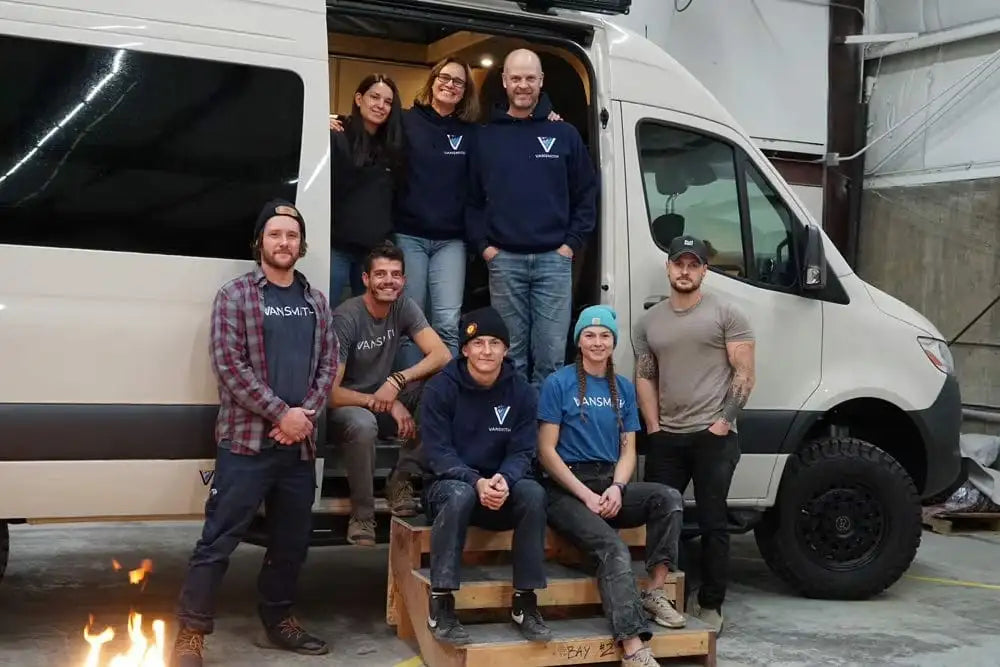
The Vansmith has spent more than a decade supporting adventure van owners with installations, repairs, and DIY kits. From that experience, careful planning often helps owners spend where it matters most and avoid unnecessary costs later.
Consider Modern Used Van Platforms
Older full-size vans can offer a low entry price, but used Ford Transit and Ram ProMaster vans may also be worth considering depending on your budget and travel needs.
These platforms can provide more modern features and practical interior space. The right choice depends on the vehicle's condition, maintenance history, available cargo space, and overall cost.
For any platform, condition should come before appearance. A well-maintained used van can be a better long-term value than a newer or better-looking vehicle with hidden mechanical issues.
What to Avoid When Building a Cheap Camper Van
- Ignoring structural safety
- Poor electrical installations
- Overloading the vehicle
- Choosing the cheapest materials without considering durability
Cutting costs in the wrong places often leads to higher expenses later.
Final Thoughts
Affordable camper van conversions for couples are possible with the right approach. Exploring small camper vans for sale can help couples find a practical setup that balances comfort, space, and budget.
Focus on:
- A reliable base vehicle
- Simple and functional design
- Systems that match your travel style
At The Vansmith, we’ve seen that the best vans are not always the most expensive. They are the ones that stay reliable and easy to use over time.
FAQs
What is the cheapest way to get into a camper van?
Start with a used van and build a simple DIY setup with essential features only.
Which are the cheapest campervans to buy used?
Older full-size vans like Econoline or Express models are often the most affordable.
Can I convert a van safely on a very low budget?
Yes, but you should never compromise on safety, especially electrical and structural components.
What should I never skimp on when building a cheap camper van?
Safety systems, electrical setup, and structural integrity.
Is it cheaper to buy a cheap used campervan or convert one myself?
DIY is usually cheaper upfront, but buying can save time and reduce mistakes.
How much should I budget for a basic, usable camper setup?
A basic setup typically ranges from $1,500 to $10,000, depending on materials and features.
About the author

Carin Smit
President
Carin is President of The Vansmith. She writes on a range of topics tied to the business, from vans and builds to the broader vanlife world.
Read more about Carin