Zion National Park winter trips can be excellent because many key areas stay open, daytime highs are often around 50 to 60°F, and the park is usually quieter than peak season. Where your trip lands inside that broad answer comes down to access: shuttle dates, parking fill, road closures, trail ice, and whether you plan to camp through freezing nights. That mix can make one week feel simple and the next feel much more conditional. If you prepare for cold mornings, shorter days, and changing road status, winter can be one of the best times to visit. The photo above shows the Virgin River through Zion Canyon after a fresh snowfall, the kind of quiet, snow-dusted scene that makes a winter trip here feel different from the busy spring and summer months.
Zion National Park winter: what changes most

The photo above shows the Towers of the Virgin with fresh snow on the upper cliffs, a good preview of how different the same formations look once winter weather moves in. (Photo: NPS)
The first big shift is pace. The National Park Service describes winter as a quieter, more solitary season than spring and summer, and that calmer feel is a real draw for people who want less noise on the trail and less pressure around every stop. You still need a plan, though, because quiet does not mean empty.
Weather is only part of the story. According to the NPS seasonal guide, winter days are often around 50 to 60°F, while nights are often well below freezing. That gap matters a lot if you hike in the sun all afternoon, then head back to camp after dark.
In winter, Zion is shaped more by access and surface conditions than by blanket closures. Many popular areas remain open, but how usable they feel can change fast with ice, snow, rockfall, and parking capacity. The park also warns that some trails may close because of falling ice hazards, so route choice can shift day by day.
Icy patches are common on shaded trails, even when the lower trailhead looks dry. Winter Zion is less about deep snow camping and more about freezing nights, cold starts, and short daylight for setup and cooking. Travelers in self-contained vans usually have a better time when they arrive with working heat, window coverings, and a plan for overnight moisture.
Why winter appeals to van travelers
Winter has a lighter feel than peak season, and that alone is enough to pull a lot of van travelers into Zion. You can often get quieter trail time and a more relaxed park day, especially outside holiday stretches. For people who already carry their own food, layers, and hot drinks, that slower rhythm is a good fit.
There is also a big access perk. When the canyon shuttle is not running, visitors can drive Zion Canyon Scenic Drive by private vehicle, based on the official shuttle page. If you're sleeping in a van, that can make the whole day easier because your gear stays with you.
That ease has a limit. The park notes that Zion Canyon Scenic Drive may still close to drivers if parking fills, even during no-shuttle periods. Zion Lodge stays open year-round too, but winter services are reduced, so don't expect full peak-season support.
Short winter daylight changes the feel of the trip more than many first-timers expect. You have fewer useful hours for hiking, scenic stops, and campsite setup. In a well-insulated van, winter can still be one of the most comfortable desert travel seasons, but only if your heat and electrical setup are sorted before you leave. If you're still planning upgrades, pages like Customize your van and Our process show the kind of systems thinking that matters in cold weather.
What catches first-time winter visitors off guard
The biggest surprise is that winter does not mean easy, wide-open access everywhere. Roads can close because of snow, ice, rockfall, or congestion, and that includes the Zion-Mount Carmel Highway on the park's current conditions page. So yes, winter is quieter. No, it is not a show-up-and-wing-it season.
Some road plans are especially shaky in winter. Kolob Terrace Road usually closes for months from fall into spring because of snow. Kolob Canyons Road also closes often in winter, and Lava Point Road is typically closed from fall into spring.
Even if a road is open, the trail may still be slow going. Shaded sections can hold ice long after sunny spots dry out, which changes your pace, footwear, and turnaround point. A flexible plan usually works better than a packed itinerary with no margin.
We'd build the trip around one or two primary hikes, then treat anything else as a bonus. If your van setup still needs cold-weather basics, The Vansmith shares more trip-planning context on the van build blog.
Shuttle schedule and winter driving access

The photo above shows a plowed Zion park road winding through snow-covered red rock, on Kolob Canyons Road, the kind of driving conditions to plan around in winter. (Photo: NPS)
The shuttle is one of the biggest winter planning details because it changes how you reach Zion Canyon trailheads. The NPS currently shows a no-shuttle period from Nov. 29 to Dec. 25. Then the park runs holiday shuttle service from Dec. 26 to Jan. 2.
After Jan. 2, the current shuttle page shows no shuttle service until the regular season comes back. For many winter visitors, that means driving your own vehicle on Zion Canyon Scenic Drive. It's one of the reasons Zion winter trips can feel much easier than summer visits.
Even then, private-vehicle access depends on parking. The park says road access can still be limited if lots fill, so early arrival still matters on clear weekends and holiday periods. Less crowded is not the same as empty.
For van travelers, the no-shuttle window can be a real advantage because your layers, food, and recovery gear stay close by. If you're traveling in a Sprinter or Transit built for cold nights, that convenience is hard to overstate. You can see examples of those layouts in The Vansmith's Sprinter conversions and Transit conversions.
Exact winter shuttle windows to know
The official dates matter because they change your whole trip plan. The Zion Canyon Shuttle System page lists Nov. 29 to Dec. 25 as no shuttle service. The same page lists Dec. 26 to Jan. 2 as holiday shuttle service.
After Jan. 2, that page currently shows no shuttle service until the regular season resumes. Those windows decide whether you reach canyon trailheads by shuttle or by your own vehicle. That sounds like a small detail. It isn't.
The winter information guide is useful too because it puts shuttle notes, a map, and winter safety reminders in one place. Still, the shuttle page is the one to verify right before you go. Winter operations are one of the few Zion details that can change the whole shape of your day.
Driving Zion Canyon Scenic Drive in winter
During no-shuttle periods, visitors may drive Zion Canyon Scenic Drive in a private vehicle. That can make winter access feel simple, especially compared with the shuttle-heavy rhythm of warmer months. You load up once, park near your trailhead, and keep the rest of your gear in the van.
There is a catch. The park warns that the road may still close temporarily if parking fills. So if you're planning a blue-sky Saturday, think early start, not lazy breakfast.
Road access elsewhere in the park is separate from shuttle status. Zion-Mount Carmel Highway can still close for snow, ice, rockfall, or congestion (as of early October 2026 it is closed to through traffic between Canyon Junction and Great Arch until further notice), and Kolob Canyons Road plus Kolob Terrace Road should be checked on the current conditions page before you commit. A smart winter plan treats private-vehicle canyon access as a convenience, not a guarantee.
Which trails stay open and which winter hikes need caution

The photo above shows a thin seasonal waterfall and frosted sandstone near Weeping Rock, a reminder that falling ice and icy rock are real hazards on shaded winter trails. (Photo: NPS)
Many major Zion hikes remain accessible in winter, but the park is clear that conditions matter more than the calendar. A route can be fine one day and sketchy the next because of ice, snow, or falling ice hazards. That's why Zion in winter works best for travelers who can adapt.
The NPS also notes that some trails may close because of falling ice. Shaded sections often hold ice even when exposed areas are dry, so a trail that starts easy can get slick around a bend or higher up the route. That changes how fast you move and how far you should go.
The Narrows is the biggest winter decision point for many visitors. Water temperatures average about 38 to 45°F, based on the NPS Narrows safety page. That makes cold-water gear a real need, not a nice extra.
A good approach for winter travelers is to pick one dry-trail objective first. Then decide on The Narrows only after checking same-day conditions and gear options. Zion winter hiking can be great, but not every famous route will feel like a casual vacation stroll.
Trails that are often accessible in winter
The park does not frame winter as a full trail shutdown. Instead, NPS guidance says many areas remain available if you come prepared for weather and surface changes. That is a much better way to think about the season.
Usability often comes down to shade and exposure. Icy conditions are more common in shaded sections, and the winter guide recommends snow spikes or similar traction gear. That means you should judge the trail in front of you, not just the forecast in town.
Trailheads on Zion Canyon Scenic Drive can be easier to reach during no-shuttle periods because you can drive directly, if parking is available. Still, avoid any blog, including this one, that promises a fixed list of hikes as always open. Current conditions near your travel date matter more than any static list.
The Narrows in winter: realistic or not?
For some hikers, yes. For many casual visitors, probably not without real prep. The NPS says winter water in The Narrows averages roughly 38 to 45°F, and hikers may need a neoprene wetsuit or a drysuit with warm layers.
The seasonal page goes even further and says hikers will likely need a drysuit in winter. Ice may form within the canyon, and the park warns about falling ice plus very slippery conditions. That is a very different outing than a sunny summer wade.
Here's the plain answer to the objection you're probably having: "That sounds like a lot of gear for one hike." It is. For most casual winter visitors, The Narrows only makes sense if you're ready to rent or bring proper cold-water gear and turn around early if footing gets bad.
Winter gear, traction, and safety decisions

The photo above shows Zion's east side, about 1,500 feet higher than the main canyon, where snow and icy roads show up first and linger longest. (Photo: NPS)
Traction matters in Zion winter hiking because icy conditions are common, especially in shaded areas. The NPS explicitly recommends traction devices for boots, and the winter guide reinforces that snow spikes or similar gear are recommended. Thin ice on packed trails can be a bigger issue than fresh snow.
The same practical mindset applies to The Narrows. Cold-water clothing may include a neoprene wetsuit or a drysuit with warm layers, depending on conditions and your cold tolerance. On the driving side, roads like Zion-Mount Carmel Highway may also close for snow, ice, rockfall, or congestion, so your traction plan should cover both hiking and travel days.
Inside a camper van, winter comfort comes down to heat and moisture control. Wet boots, damp jackets, and cold windows can make one freezing night feel much longer. Cold-weather trips expose weak heat and insulation fast.
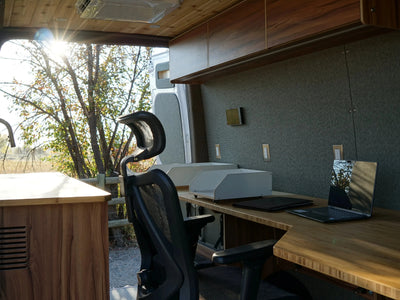
A high roof or one of our pop-tops makes winter van life easier. If you're planning repeated winter trips, reliable heat and good window coverings matter more than flashy add-ons.
Footwear and traction for Zion winter hiking
NPS guidance is simple here: bring traction devices for your boots. Icy spots are common in winter, and they show up most often in shaded sections where the sun does not do much work. Morning starts can be slick even when the afternoon feels mild.
The winter guide specifically recommends snow spikes or similar winter traction gear. Daytime highs around 50 to 60°F can fool people into underpacking, but overnight freezes leave packed trail surfaces hard and slippery. Footwear often matters more than one extra midlayer.
A simple van system helps. Keep one dry camp shoe setup and one hiking setup, so you don't soak everything before evening. If you want more cold-weather trip ideas and system planning, The Vansmith's DIY blog is a useful place to start.
Cold-weather van prep for a Zion trip
Night temperatures in Zion are often well below freezing, so overnight heat is more than a comfort item if you're camping. If your van has weak heat, winter will expose it fast.
A winter-ready setup should cover cabin heat, overnight battery draw, and interior moisture from cooking and wet gear. A van can feel great in October and then feel pretty rough in January.
If you're using a van without reliable heat, we'd rethink winter camping in Zion. Extra blankets won't fix a cold, damp interior. For people planning upgrades, The Vansmith offers van builds through Foundation builds and direct project planning through Contact us.
Crowds, camping, and where a winter van trip works best

The photo above shows the Court of the Patriarchs with a light dusting of snow in early February, the kind of quiet winter scene you get once the summer crowds are gone. (Photo: NPS / Sarah Stio)
Winter is generally less crowded than peak seasons, and that lighter feel is one of its best traits. The park still warns that Zion Canyon Scenic Drive may close temporarily to drivers if parking fills, so crowd relief is real but not absolute.
Camping options narrow in winter. According to the NPS camping page, Watchman Campground is open year-round, while South Campground and Lava Point Campground close seasonally. That makes Watchman the main dependable in-park winter camping option.
For van travelers, Watchman is the straightforward choice if you want an early start without a long morning drive from town. A winter Zion trip usually works best when you treat campground reservations, early parking strategy, and current conditions checks as the three pillars of the plan.
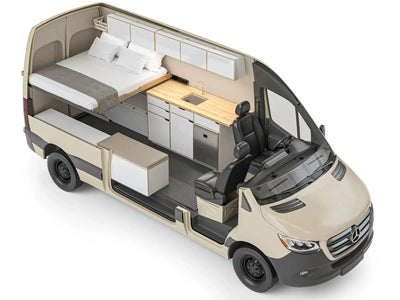
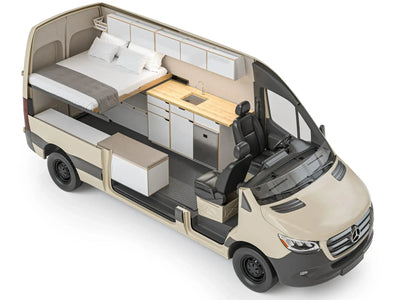
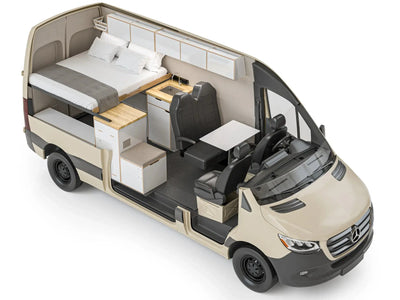
If Zion sparks bigger winter travel plans, this is where van layout starts to matter. Couples often look at options like the DUO XL layout, while families tend to need more sleeping space and storage, like the Family XL layout. As of 2026, those layouts start at $128,950 for the Transit Duo XL and $133,950 for the Transit Family XL.
| Layout | Best fit | Starting price |
|---|---|---|
| DUO XL | Couples | $128,950 |
| Family XL | Families | $133,950 |
How crowded is Zion in winter, really?
The NPS describes winter as a quieter and more solitary season than spring, summer, and fall. That calmer feel is real, especially on non-holiday weekdays. You often get more room to breathe, more quiet on the trail, and less rush around the main viewpoints.
Still, the holiday stretch from Dec. 26 to Jan. 2 is busy enough that the shuttle runs again. Good-weather weekends can also get congested because parking may fill even when the road is open to drivers. Winter rewards flexibility more than rigid timed plans.
Van travelers usually have an edge here. You can arrive early, eat on-site, and pivot without hotel check-in or restaurant timing. That's one reason winter works so well for people traveling in self-contained rigs, especially couples browsing vans for couples or parents comparing family vans.
Winter camping inside Zion
Watchman Campground is open year-round, and that makes it the most reliable winter camping choice in the park. South Campground closes seasonally in winter, and Lava Point Campground does too. So if your plan depends on camping inside Zion, Watchman is the one to focus on.
Reservations are required for Zion campgrounds, and the official camping page directs visitors to the booking system. Zion Lodge also remains open year-round with reduced winter services, which gives you an in-park backup if temperatures or van systems make camping less appealing. You can confirm facility status on the Operating Hours and Seasons page.
For travelers who plan to keep doing winter trips after Zion, better heat, insulation, and layout choices pay off fast. That's true whether you're building from scratch or upgrading what you already own. Cold weather makes weak systems obvious, and Zion is a pretty honest test.
FAQ
Is Zion National Park worth visiting in winter?
Yes. Winter is one of Zion's quieter seasons, and the National Park Service describes it as a more solitary time than peak months. Daytime highs are often around 50 to 60°F, but nights are often well below freezing, so it's worth it if you plan for cold mornings and icy trails.
Does Zion run the shuttle in winter?
Not all winter long. The official shuttle page currently shows no shuttle service from Nov. 29 to Dec. 25, holiday shuttle service from Dec. 26 to Jan. 2, and then no shuttle service after Jan. 2 until the regular season returns. Always verify dates before you go, because those windows shape your whole trip.
Can you drive your own vehicle in Zion in winter?
Often, yes. When the shuttle is not operating, visitors can drive Zion Canyon Scenic Drive by private vehicle. The park still warns that the road may close temporarily if parking fills, so early arrival is still a smart move.
What gear do I need for Zion winter hiking?
The NPS recommends traction devices for boots because icy conditions are common, especially in shaded areas. If you plan to hike The Narrows in winter, water averages about 38 to 45°F and you may need a neoprene wetsuit or a drysuit with warm layers. For many hikers, traction matters more than adding one more fleece.
Is The Narrows open in winter?
The Narrows can be possible in winter, but it is a serious cold-water hike. NPS says winter water temperatures average roughly 38 to 45°F, ice may form within the canyon, and hikers may need a wetsuit or drysuit depending on conditions. Most casual visitors should treat it as a same-day decision, not a guaranteed plan.
Can you camp in Zion in winter?
Yes, but your options narrow. Watchman Campground is open year-round, while South Campground and Lava Point Campground close seasonally in winter, so Watchman is the main reliable in-park winter camping choice. If your van does not have reliable heat, think hard before booking freezing nights inside the park.
About the author

Electra Chronis
Head of Marketing
Electra leads marketing at The Vansmith. She writes across van life, camping and travel, from planning a trip to choosing and building the van that gets you there.
Read more about Electra