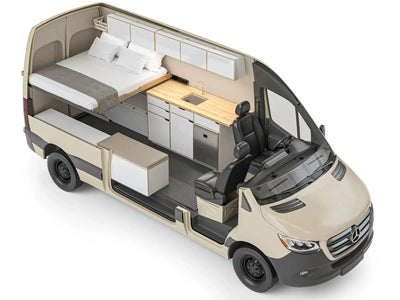
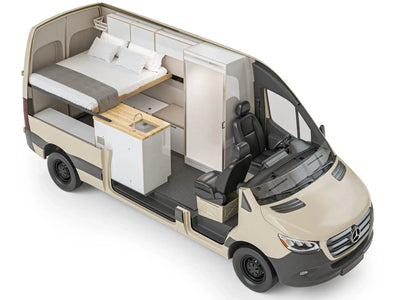
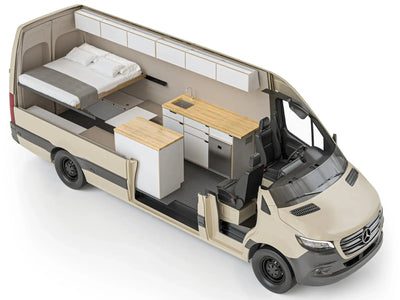
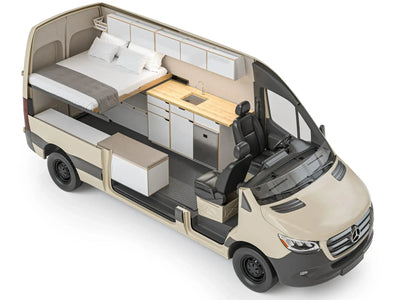
The camper Mercedes Benz Sprinter is the gold standard for van conversions, offering up to 78 inches of standing height and as much as 532 cubic feet of cargo space in its largest model. This means you get plenty of room for living, sleeping, and storing your adventure gear, whether you’re traveling solo, as a couple, or with family. With high-roof options, advanced safety tech, and robust diesel engines, this Mercedes camper van stands out for both comfort and capability. For anyone serious about vanlife, the Sprinter’s build quality, resale value, and conversion flexibility put it at the top of the list.
Why the Mercedes-Benz Sprinter Leads as a Camper Van Platform
The 2025-2026 Mercedes-Benz Sprinter gives van builders a lot to work with. Two main wheelbase options—144 inches (about 19.5 feet) and 170 inches (nearly 23 feet)—let you choose between a nimble city camper and a roomy, long-haul rig. High-roof models provide up to 79 inches of standing height, so most adults can stand up straight inside. That’s a game-changer for comfort and makes daily living far easier on the road.
If you go for the largest Sprinter, the 170-inch extended high roof, you’ll enjoy a massive 532.6 cubic feet of cargo volume. That’s more space than almost any other van in this class. It’s what allows ambitious builds with full kitchens, bathrooms, and enough storage for everything from bikes to kayaks. Factory 4x4 and AWD systems are available, which means you can confidently take this van off the beaten path or through winter weather. According to Mercedes‑Benz official Sprinter specifications, these options put the Sprinter ahead of domestic vans when it comes to all-terrain adventures.
Safety and tech are strong points too. Sprinters come loaded with adaptive stability control, crosswind assist, blind-spot assist, and the sophisticated MBUX infotainment system with voice command. Not only does this keep you safer, but it also makes long drives less stressful. The 144-inch high-roof model can handle about 2,645 pounds of payload and some configurations offer a gross vehicle weight rating (GVWR) up to 8,507 pounds. That’s plenty of capacity for a full build and heavy gear.
| Sprinter camper spec | Typical range | Why it matters for vanlife |
|---|---|---|
| Wheelbase options | 144" and 170" (plus 170" Extended) | Choose between easier parking (144") or maximum living and storage space (170"/Extended). |
| Standing height (high roof) | Up to 79 inches | Most adults can stand fully upright, making daily living, cooking, and working far more comfortable. |
| Cargo volume | Up to 532.6 cu ft (170" Extended) | Enough room for full kitchens, bathrooms, gear garages, and multi-berth sleeping layouts. |
| Payload capacity | Approx. 2,645 lbs (144" high roof) | Supports full camper builds with water, batteries, and adventure gear without overloading. |
| Drivetrain options | RWD, AWD, and 4x4 (varies by model year) | Improves traction for snow, forest roads, and remote trailheads in your camper Mercedes Benz Sprinter. |
Resale value is another big win. Sprinters hold their worth, even after years on the road. There’s also a huge aftermarket for parts and upgrades, so you can keep your build fresh or swap out components as your needs change. The Sprinter is an investment, not just a vehicle.
At The Vansmith, we've worked with Ford Transits as well, and they're a solid choice for many. Like-for-like, a Ford Transit is about $4,000 cheaper than a Sprinter and tends to be less expensive to maintain in the short term. But from our experience, Sprinters last longer and hold their value much better down the line. If you're thinking long term, that higher upfront cost pays off when it's time to sell or upgrade. That's a big reason why we really like building on the Sprinter platform for our customers.
Core Features That Benefit Camper Conversions
Under the hood, the Sprinter’s diesel engine options include a standard 2.0L turbodiesel and a high-output variant. Both offer strong torque, which is great for climbing mountain passes or towing a trailer. In fact, towing capacity ranges from 5,000 to 7,500 pounds depending on your configuration—enough for most adventure toys or a small auxiliary trailer, as highlighted by Mercedes-Benz of Hoffman Estates and confirmed by Edmunds Sprinter towing specs.
The MBUX infotainment system is more than just a fancy screen. It brings navigation, voice controls, and seamless smartphone integration into your daily routine. That means you can focus on driving, not fiddling with devices. Factory options like swivel seats, roof rails, and windows make it easier to get the features you want with less aftermarket hassle. According to AP News/Edmunds, this gives the Sprinter a leg up on platforms that require more post-purchase modifications.
If you want real off-road capability, Sprinter’s factory AWD and 4x4 systems offer better traction than competitors like the Ram ProMaster, which lacks a true AWD option. Build quality is premium across the line, and Mercedes’ strict safety standards mean you’re well protected wherever you travel. The huge accessory ecosystem, from racks and beds to solar and cabinetry, lets you personalize your van without starting from scratch. That’s why experienced builders—including us at The Vansmith—love working with the Sprinter platform.
Drawbacks and Considerations
All that quality and flexibility comes at a cost. The Sprinter’s base price hovers around $53,000 for a bare cargo van—and that number climbs quickly as you add options or pick specialty trims. AP News/Edmunds points out that this is a premium over domestic vans, and Car and Driver’s Sprinter overview echoes that it’s one of the pricier full-size vans on the market. Maintenance and repairs can also be pricier, thanks to complex electronics, DEF emissions systems, and European parts. If you’re thinking about a DIY build, be aware that the MBUX system and other sensors can add a layer of complexity.
Some owners, especially those in harsh winter climates, report rust issues in older models—proper undercoating is a must if you want your van to last. Insurance costs tend to be higher too, reflecting the Sprinter’s value and repair bills. High demand and strong resale value can mean long waits for new vans or custom builds, especially for popular configurations. The DEF system needs regular attention, so long-distance travelers should plan for refills on the road. All that said, the Sprinter’s reliability and long-term value often outweigh these challenges for most vanlifers.
If you want to avoid common pitfalls, partnering with an expert team like The Vansmith can make the process smoother and help you plan for these realities from day one.
Sprinter Camper Configurations: Chassis, Dimensions, and Layout Archetypes
Sprinter chassis come in three main lengths: short (SWB/144”), medium (MWB/170”), and long (LWB/170” Extended). The MWB high roof—known as the 907 series—is widely considered the sweet spot for balancing space with drivability, according to Alibaba. The 144-inch high-roof model gives you about 10.5 feet of usable cargo length and up to 79 inches of standing height, making it perfect for solo travelers or couples who want a cozy interior that’s still easy to park.
Need more room? The 170-inch high-roof Sprinter offers up to 14 feet of cargo length, which is great for families or full-timers who need extra storage and sleeping space. Cargo width between the wheel wells is about 53 inches, with an overall floor width near 70 inches. With window flares, you can even install a side-to-side bed—a big bonus for tall folks or anyone wanting to maximize floor plan options.
The Sprinter’s boxy, upright walls are a huge advantage. They let you make the most of every inch for cabinetry, storage, and modular systems. Popular layouts include the Classic Fixed Bed (bed in the back, lounge and kitchen up front), Adventure Hauler (garage for bikes or gear with removable beds), and Remote Work Studio (dedicated workspace that converts into a bed). The Vansmith offers Sprinter-specific layouts like the DUO (for couples), Family (for four), and DUO XL (luxury on the longer chassis), each tailored to your needs. You can see more about these builds on our Sprinter conversions collection.
Budgeting for a Sprinter Camper Conversion
Thinking about building your own Sprinter camper? Entry-level DIY conversions can start at around $8,000 on top of the van cost. That covers basics like insulation, a bed, and simple power. If you want a professional conversion with cabinetry, water, solar, and heating, expect to spend $25,000–$40,000 plus the price of the van. Premium, full-time off-grid builds with custom cabinets, high-end appliances, and showers can easily run $55,000–$120,000 all-in, according to PlanCamper and The Vansmith.
At The Vansmith, our builds use modular cabinetry, robust electrical systems, and premium insulation to make your van as functional and comfortable as possible. Whether you pick a fixed bed or a convertible setup, or need space for a family versus a couple, layout choices will affect your final cost. For those who like to build in stages, we offer DIY conversion kits and component installs—like windows, fans, and solar—so you can upgrade as your needs evolve.
Keep in mind, the Sprinter’s strong resale value often means you’ll get much of your investment back if you ever decide to sell or upgrade your van. Quality work pays off down the road.
How Chassis Choices Affect Camper Functionality
Shorter wheelbase Sprinters (144") are easier to maneuver and park, making them ideal for city dwellers or those chasing tight trailhead parking. However, they limit how much you can fit inside, so layouts become more creative. Going up to a 170" or 170" extended chassis adds sleeping and storage space, but these longer vans can be tricky to fit into city spots or tight campsites and might even need special licenses in some countries, as Alibaba notes.
High-roof models are the clear winner for comfort, allowing full stand-up living—a must for most vanlifers. That’s why about 90% of our customers at The Vansmith go high-roof, and mid-roof buyers often add a pop-top later. Drivetrain matters too: rear-wheel drive is fine for most, but AWD is the choice for four-season or off-road travel. Always match your payload and GVWR to your build—overloading a van can create safety risks. For most, the MWB high-roof Sprinter is the ideal balance of space, comfort, and handling. Just remember to check regional limits if you’re planning a very long or heavy build.
Essential Sprinter Camper Features: Comfort, Safety, and Off-Grid Capability
Sprinter vans excel at comfort and off-grid living. You can add advanced heating systems (like diesel heaters or heat exchangers) for true four-season adventure—our team at The Vansmith does professional heater installs all the time. Roof-mounted solar panels (200W–600W is typical) paired with lithium battery banks open the door to off-grid living for days or weeks at a time. According to U.S. Department of Energy off-grid and EV charging guidance, properly sized solar can significantly reduce generator or idling needs.
Good insulation is crucial for comfort and quiet, especially if you plan to chase the seasons. Options like sheep wool, Thinsulate, or closed-cell foam help keep your van cool in summer and warm in winter, as explained by PlanCamper. Integrated windows and vent fans boost airflow and natural light, making the space feel much bigger and reducing condensation. You can even add water systems with 20–40 gallon tanks and compact showers or cassette toilets—perfect for families or full-timers, as seen on Mercedes-Benz Worldwide.
Factory and aftermarket safety features like emergency call, blind-spot assist, and lane-keeping give peace of mind. Our cabinetry, modular storage, and custom seating help maximize every bit of space for singles, couples, or families. To see more about what’s possible, check out our Family van conversions or DUO XL layout.
Upgrades and Add-Ons for Adventure
The Sprinter’s accessory ecosystem is huge. Roof racks, ladders, and tire carriers open up options for bikes, kayaks, and recovery gear. For taller users, professional window and flare installs allow true side-to-side sleeping in 144" vans—something we’ve perfected at The Vansmith. Suspension upgrades and all-terrain tires make rough roads smoother, and awnings plus area lighting turn your campsite into an outdoor living room.
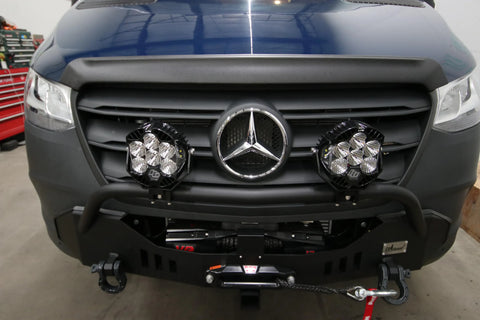
If you’re serious about off-roading, aftermarket bumpers and winches are available, and we can help with those installs. Connectivity upgrades like Starlink and WeBoost let you work or stay in touch even off-grid. Swivel front seats and removable tables are simple changes that can make the interior much more flexible for work, dining, and hanging out. For more upgrade ideas and tips, our DIY blog is packed with real-world advice.
Showcase: Real-World Sprinter Camper Builds
Real-world builds show just how versatile the Sprinter can be. For example, Advanced RV’s "The Last Resort" is a custom 144" Sprinter with an L-shaped kitchen, fold-over bed, convection oven, built-in shower, and roof electronics—truly a home on wheels, as showcased by Mercedes-Benz Worldwide. Our own DUO layout is optimized for the 144" Sprinter, offering a fixed bed, modular storage, and off-grid electrical for couples who want to keep things simple but capable.
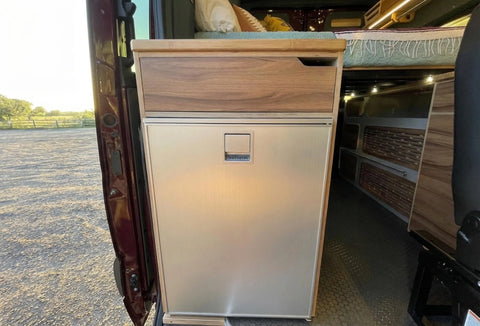
For families, our Family and Family XL layouts in 170” Sprinters can sleep four comfortably, with a functional kitchen and a lounge that converts for sleeping or social time. Remote work builds feature dedicated desks, big battery banks, and connectivity upgrades for digital nomads. We’ve seen customers add features like UV water filtration, heated floors, or stealth exteriors for city camping. With the Sprinter’s wide floor and tall roof, you can fit big fridges, induction cooktops, and even a bathroom if you want it.
Across the board, real-world reviews praise Sprinter campers for their smooth ride, quiet cabins, and stable handling—even at highway speeds. Compared to domestic van platforms, Sprinters deliver a noticeably more refined experience on the road. The best way to see what’s possible? Check out our van build blog for customer stories and ideas.
Choosing, Building, and Upgrading Your Mercedes-Benz Sprinter Camper with The Vansmith
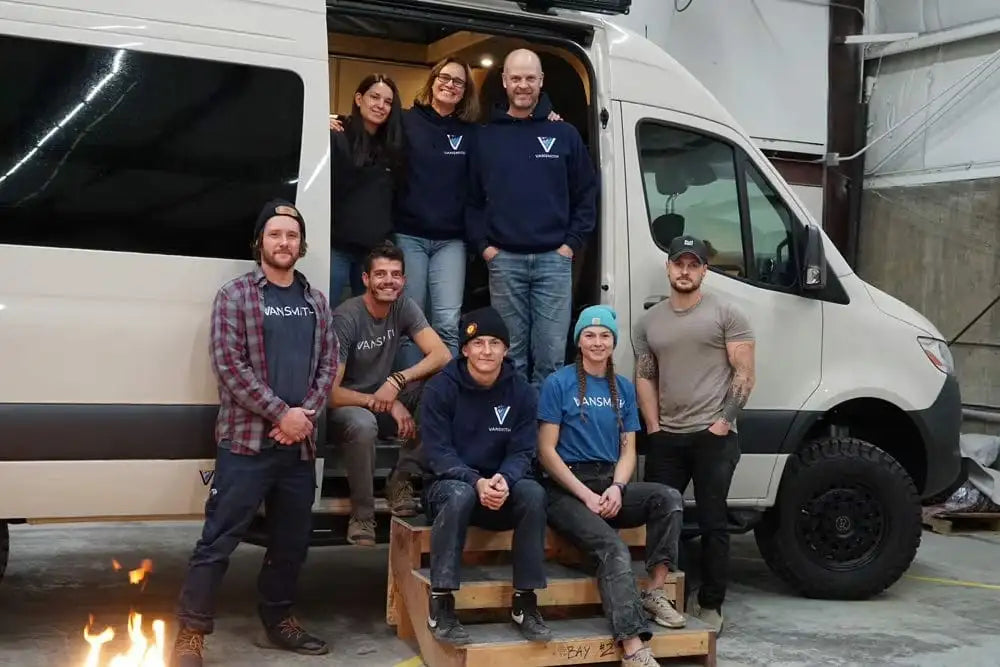
At The Vansmith, every Sprinter conversion project starts with a design consultation. We work with you to match the right chassis (144” or 170”) to your lifestyle and travel goals. You can pick from our proven layouts like DUO, Family, or DUO XL, or commission a custom build that fits your specific needs. Our team handles all the key installs—windows, vent fans, insulation, electrical systems, and cabinetry—with an eye for safety and longevity.
If you already own a Sprinter, we offer a la carte upgrades: solar panels, heaters, roof racks, suspension, awnings, and more. Our Boulder, CO shop also provides service and repairs—so your van stays road-ready for years, no matter how your needs evolve. And if you’re looking for a turnkey solution, we have ready-to-drive Sprinter camper vans for sale, with several floorplans and lots of ways to make them your own.
We don’t just hand over the keys and wave goodbye. Our team offers ongoing support, educational resources, and a gallery of past builds to help you get the most from your rig. Whether you’re a first-timer or a seasoned vanlifer, we make sure you have the info and confidence to enjoy the journey ahead.
Where to Start: The Vansmith’s Sprinter Camper Resources
If you’re new to the process, our Sprinter Van Conversion collection is a great place to start for finished builds and inspiration. You’ll find detailed guides and service offerings for windows, heaters, and batteries on our site and DIY blog. Ready to shop? Browse available Sprinter camper vans for couples or schedule a design consult online.
We also offer virtual and in-person tours so you can see layouts and finishes for yourself before making any big decisions. Our resource pages cover common questions about insulation, heating, off-grid power, and maintenance. And our past builds gallery—packed with real-world customer vans—shows off what’s possible on every Sprinter chassis. Want tips and vanlife stories? Sign up for our newsletter for ongoing advice, new build showcases, and inspiration for your own adventure rig.
FAQ
What makes the Mercedes-Benz Sprinter the best choice for camper van conversions?
The Mercedes-Benz Sprinter stands out for camper van conversions due to its flexible wheelbase options, high roof heights with up to 79 inches of standing room, strong diesel engines, and advanced safety features. You get premium build quality, top-tier comfort, and a huge aftermarket parts scene, making it easy to customize. Its high resale value and reliability make it a smart investment for anyone serious about vanlife. The Vansmith and PlanCamper both highlight these advantages, and MotorTrend’s Sprinter reviews consistently note its refinement and capability.
How much does a Sprinter camper conversion cost in 2026?
In 2026, expect a basic DIY Sprinter camper build to start at around $8,000 above the cost of the van. Professional conversions range from $25,000 to over $120,000, depending on your layout, features, and finish. The base price for a new Sprinter cargo van starts close to $53,000. PlanCamper and AP News/Edmunds both confirm these numbers, and they align with pricing trends reported by Edmunds Sprinter pricing analysis.
Which Sprinter chassis is best for families versus solo travelers?
The 144" high-roof Sprinter is perfect for solo travelers or couples who want maneuverability and a cozy space. For families, the 170" or 170" extended models provide extra room for sleeping and storage. The MWB high-roof 907 series is often called the "sweet spot" for most builds, according to Alibaba and The Vansmith.
What are the main pros and cons of a Mercedes-Benz Sprinter camper van?
Major pros of the Sprinter include its high build quality, advanced safety technology, huge cargo volume, AWD/4x4 options, and strong resale value. On the downside, it comes with a higher upfront cost, more expensive maintenance, some rust issues in older models, and electronics that can make DIY work more challenging. PlanCamper and The Vansmith both discuss these points, and NHTSA safety data for the Sprinter underscores its strong safety focus.
Can I upgrade my Sprinter camper after the initial build?
Absolutely. The Sprinter’s modular design and big aftermarket support mean you can add solar, batteries, suspension upgrades, windows, and more whenever you’re ready. The Vansmith offers professional installation for these upgrades, so you can keep improving your Mercedes camper rig as your needs grow.
About the author

Santiago Pere
Chief Design Engineer
Santiago is Chief Design Engineer at The Vansmith. He writes on topics spanning van design, builds, and life on the road.
Read more about Santiago