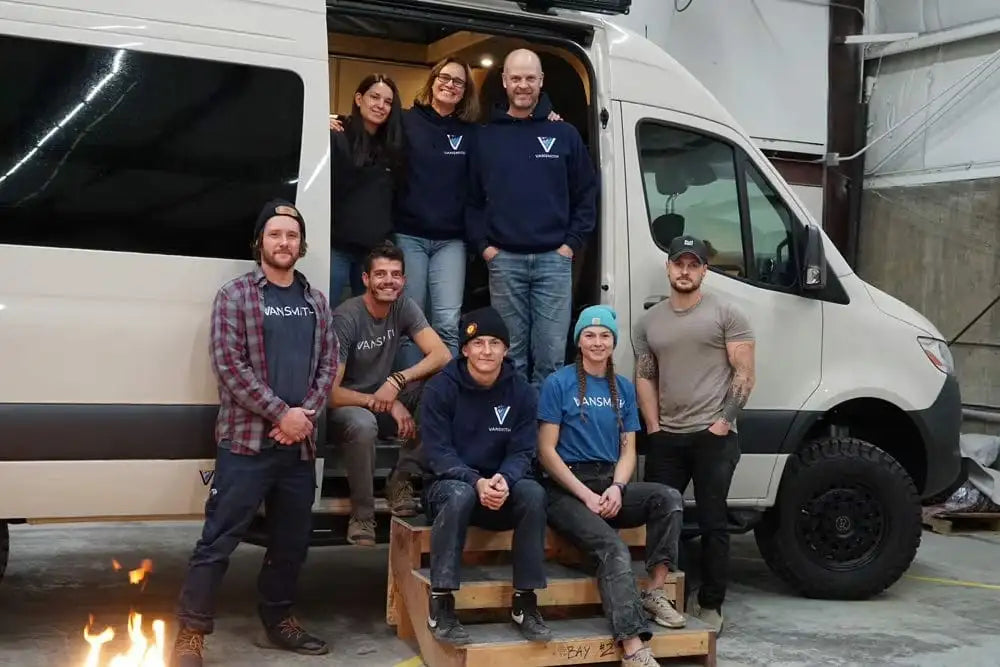
Based on years of hands-on experience supporting adventure vans across Colorado and the West.
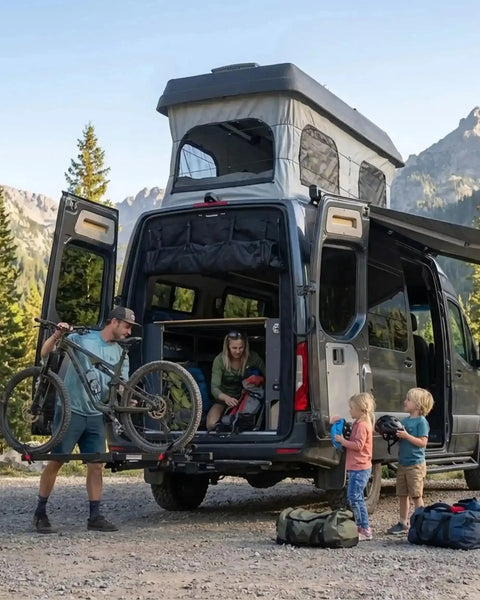
If you spend enough time on the road, you start hearing the same question: Where can you go camping for free? We hear it from new van owners, weekend travelers, and people planning long stretches of camping across the United States. The good news is that free camping sites in the USA are more common than most people think. The key is knowing where to look and how to do it responsibly.
Where Can You Go Camping for Free?

The short answer is public land.
The longer answer takes some nuance. When people ask where can I camp for free, they are often thinking about national parks. In reality, most free campgrounds USA are found on Bureau of Land Management land and U.S. Forest Service land.
Bureau of Land Management Land
BLM land is one of the best places to camp for free in the western states. Much of it allows dispersed camping, meaning no developed campground and no amenities.
You can stay up to 14 days in most areas. (BLM) After that, you must move a certain distance.
In Colorado, Utah, Arizona, and parts of California, BLM land has supported years of our own climbing and biking trips. It offers space, quiet, and flexibility. However, it requires self-contained systems and a respect for Leave No Trace principles.
U.S. Forest Service Land
USFS land is another strong answer to where to camp for free.
Dispersed camping is allowed in many national forests. (NPS) You will not find hookups or marked pads. Instead, you find forest roads, clearings, and established pull-offs.
Near Boulder, Colorado, spots like Magnolia Road in Nederland, Allenspark dispersed areas, York Gulch Road, and Forest Road 119 are well known. They fill quickly in summer. Still, they show how accessible free camping near Boulder can be.
Always check local ranger district rules before you go.
Wildlife Management Areas and State Lands
Some Wildlife Management Areas allow overnight stays. Certain state or county parks also offer primitive sites at no cost.
Rules vary widely. Therefore, always verify before settling in. What works in Arizona may not apply in New Hampshire.
Parking Lots and Urban Options
Parking lots and truck stops can help during long stretches of camping across the US.
Some casinos, fitness centers, and big box stores allow overnight parking. Policies change often. Always ask permission and park respectfully.
This approach works well when transitioning between remote areas.
Can You Camp for Free in National Parks?

Many people ask, can you camp for free in national parks?
In most cases, no. Established campgrounds inside parks like Yosemite National Park, Yellowstone National Park, Grand Canyon National Park, Olympic National Park, and Glacier National Park charge fees and often require reservations. (NPS)
However, free camping sites in USA are often just outside park boundaries on national forest or BLM land. Many experienced travelers rely on boondocking USA-style, using dispersed camping BLM areas or national forest dispersed camping as a base. You enjoy the park during the day and return to these dispersed spots at night.
Top Regions for Free Camping
Colorado
Colorado offers strong public land access. High-elevation forest roads and desert BLM zones on the Western Slope provide options year-round, depending on snow conditions.
After years of supporting vans in winter conditions, we always advise checking road clearance and snowpack before heading uphill.
California
Eastern Sierra and areas near Big Sur provide dispersed opportunities outside developed zones. Fire restrictions are common in summer.
Arizona and Utah
Desert camping is accessible and scenic. BLM land outside Moab and Sedona is widely used. Be mindful of fragile soils and flash flood zones.
Scenic Coastal and Lake Camping
While not always free, these areas are worth noting when planning camping across the United States:
-
Assateague Island National Seashore in Maryland
-
Lake Tahoe in California and Nevada
-
Saranac Lakes in New York
Free options are often found just outside primary recreation areas on adjacent public land.
Tools to Find Free Campsites
If you are learning how to find free campsites, these tools help:
-
FreeCampsites.net
-
iOverlander
-
The Dyrt
-
Campendium
-
Google Maps and Google Earth
We regularly suggest these to customers preparing for extended trips. Still, apps are only part of the equation.
Techniques That Work
If you want to know how to find campsites consistently, rely on these methods:
-
Use satellite view on Google Maps to spot clearings
-
Check Motor Vehicle Use Maps from the Forest Service
Ready to find your own free campsites USA in a well-built, self-contained van? If you’re thinking about a conversion that can handle boondocking and dispersed camping, explore our services.
-
Confirm land ownership boundaries
-
Follow the uphill rule in forest areas to reduce traffic and noise
These approaches work better than chasing social media pins.
Key Regulations and Practical Tips
Free camping works best when you follow a few core guidelines.
14 Day Limit
Most public lands allow a 14-day stay within a 28-day period. After that, you must move.
Check Local Rules
Fire bans, seasonal closures, and vehicle restrictions change often. Always confirm before arrival.
Leave No Trace
Pack out waste. Respect vegetation. Keep noise low.
Site Selection
Choose established pull-offs when possible. Avoid creating new tracks.
Distance Rules
Stay at least required distances from water sources and roads. Regulations vary by region.
Safety and Vehicle Clearance
Forest roads can become rough quickly. In Colorado, especially, afternoon storms change conditions fast. Clearance matters. So does knowing when to turn around.
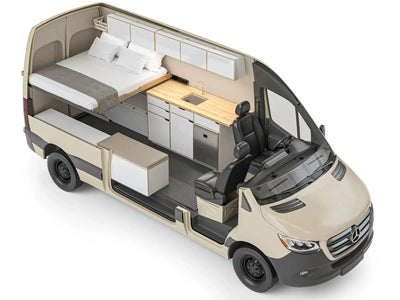
At The Vansmith, our design philosophy centers on innovative designs that bring comfort to your journey. That includes proper insulation, reliable electrical systems, and layouts that support different travel needs. Free camping demands self-sufficiency. The right systems make it realistic and sustainable.
Final Thoughts
Where can you go camping for free? In more places than most people realize.
Free campgrounds in the USA are part of a long tradition of public land access. They reward preparation and respect. Over the years, we have seen travelers thrive when they approach free camping with patience and good systems.
If you are preparing for longer travel or thinking about how your van should support extended off-grid use, exploring our design page and current vans for sale can help you make confident decisions about your next trip.
FAQs
What states can you camp for free?
Western states with large public land access, including Colorado, Utah, Arizona, Nevada, and parts of California, offer the most options.
How to go camping with no money?
Use dispersed public land. Bring your own water. Cook simple meals. Plan ahead for waste disposal.
Is there free camping in Virginia?
Yes, in certain national forests such as the George Washington and Jefferson National Forests.
Are there free campsites in Colorado?
Yes. National forests and BLM lands across the state allow dispersed camping with limits.
Is free camping legal in the US?
Yes, on designated public lands that allow dispersed camping. Always follow posted rules.