TL;DR
The core camping checklist comes down to six categories: shelter and bedding, a way to cook and store food, enough water, weather-ready clothing, lighting and safety gear, and a plan for navigation without cell service. Most forgotten items are small (chargers, toilet paper, extra batteries), not big ones. If you are packing a camper van rather than a tent, several of these are already built in, and what matters is not overpacking on top of them.
One of the fastest ways to ruin a camping trip is realizing you forgot something important after dark, in bad weather, or miles from the nearest store. After years of road trips, mountain camping, and off-grid travel across Colorado and the West, we have learned that a good camping checklist matters less for perfection and more for reducing stress.
Whether you are planning your first weekend outdoors or preparing for longer travel, knowing what to take camping helps keep trips safer, more comfortable, and easier to enjoy.
Shelter and bedding
A reliable shelter setup is one of the most important parts of any camping trip. Choose a tent sized for your group and expected weather, and always bring a rainfly even when the forecast looks dry; mountain weather changes fast. A footprint or tarp under the tent protects the floor and cuts down on moisture, and extra stakes and guy lines matter more than people expect once the wind picks up overnight.
For sleep, match your sleeping bag's temperature rating to the coldest night you expect, not the average. A sleeping pad does more for warmth and comfort than most people give it credit for, and a pillow and an extra blanket make a real difference on multi-day trips.
Camp kitchen and food
A dependable stove and enough fuel matter most here, since a stove that will not light in the wind or the cold turns dinner into a problem. Bring simple cookware that actually fits what you are carrying, basic utensils, and matches or a lighter with a backup. A cooler sized to your trip length, reusable ice packs, and sealed food containers round out food storage and help keep wildlife out of your camp.
For meals, simple food beats complicated food. Oatmeal, eggs, and breakfast burritos work well in the morning; foil packet meals, chili, and pasta are easy dinners; trail mix, jerky, and energy bars cover snacking. Biodegradable soap, a sponge, and trash bags are easy to forget and hard to do without.
Water
Always carry more water than you think you will need. Durable refillable bottles cut down on waste, and a filter or purifier is worth having if you are camping somewhere you might need to refill from a stream or an uncertain tap.
Clothing and personal items
Layering beats bulk. Moisture-wicking base layers, a warm mid layer, and real rain gear cover most conditions, since even summer nights can turn cold at elevation. Supportive shoes for the trail and a separate pair of camp shoes make a noticeable difference, and dry socks are worth packing extra of.
For toiletries, keep it simple: toothbrush and toothpaste, biodegradable soap, a quick-dry towel, sunscreen, and bug spray. Pack personal hygiene items for the actual length of the trip, and bring more than you think you need if you are heading somewhere remote.
Safety, tools, and lighting
A headlamp for hands-free light and a lantern for the cooking or group area cover most lighting needs, backed up with extra batteries. A multi-tool or knife, some rope or paracord, and duct tape handle most small repairs in the field. For safety, carry a first aid kit, a waterproof fire starter, an emergency whistle, and a map and compass or downloaded offline maps, since cell service is unreliable in a lot of camping areas.
Commonly forgotten items
The items that get left behind are almost always small ones: a phone charger, toilet paper, extra batteries, trash bags, and weather-appropriate clothing top the list. A portable power bank is worth adding here too, especially if you are relying on your phone for navigation.
If you are packing a camper van, not just a tent
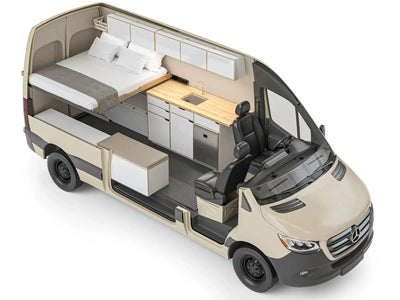
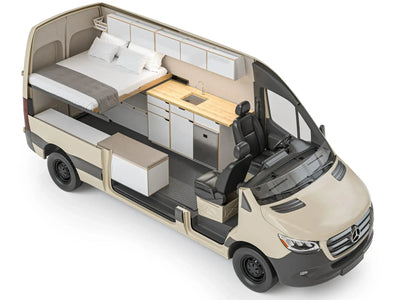
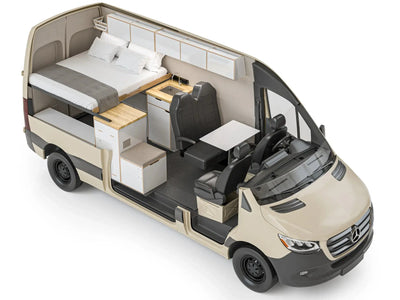
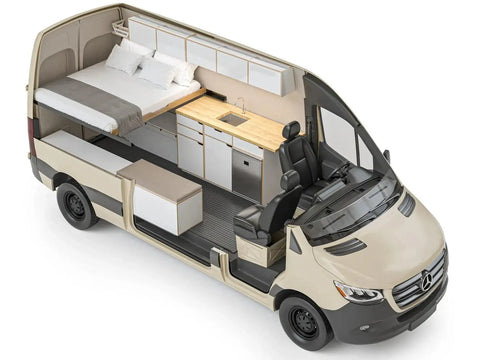
A converted van changes this list more than people expect. Your bed stays made, your kitchen is already mounted, and your storage is already built in, so the real work is deciding what actually earns space on a rig where every cubic foot is accounted for, not listing everything you might want. Pack for the systems your van does not have, not the ones it does.
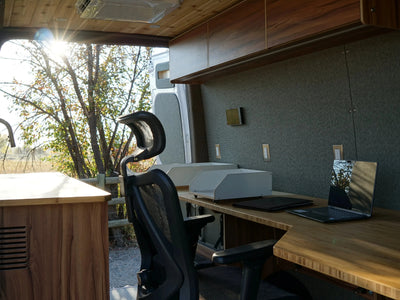
If you are exploring longer-term travel setups or looking at a camper van for sale, efficient storage and an organized layout become even more important for keeping gear manageable on the road. You can explore layout ideas through Customize Your Van, or improve your current setup through practical Service & Upgrades. Travelers comparing larger travel options can also browse RV for sale and Camper van for sale resources for more organized road trip planning.
Final thoughts
The best camping checklist is the one that matches how you actually travel. After years spent designing adventure vans and spending long stretches outdoors across Colorado and the West, we have found that thoughtful preparation almost always matters more than expensive gear. Reliable shelter, proper bedding, weather protection, water planning, and organized storage consistently make the biggest difference, whether you are planning a quick weekend trip or a longer road trip.
Frequently asked questions
What are the 10 essential items for camping?
Tent, sleeping bag, water, stove, food, first aid kit, headlamp, clothing layers, fire starter, and navigation tools.
What is the most forgotten item when camping?
Phone chargers, toilet paper, extra batteries, and trash bags are the most commonly forgotten items.
What should I pack for a weekend camping trip?
Lightweight clothing, food, water, sleeping gear, toiletries, and basic cooking supplies cover most weekend trips without overpacking.
What do I need for camping as a beginner?
Focus on the basics first: shelter, a sleep system, water, food, and weather protection. You do not need expensive gear to enjoy a first weekend outdoors, and it is easy to overpack on things you will not use.
How is packing for a camper van different from packing for a tent?
A van conversion already has a bed, a kitchen, and built-in storage, so the packing list shifts from "what do I need to set up camp" to "what actually earns space in the storage I already have." Most of what you would pack for a tent trip is redundant once those systems are built in.
Do I need reservations or permits before I go?
It depends on where you are camping. Developed campgrounds often require reservations, especially in busy seasons, while dispersed camping on public land may have its own stay limits and rules. Check the specific site before you leave.
Written by Eugene Smit, CEO of The Vansmith.
About the author

Eugene Smit
CEO
Eugene is the CEO of The Vansmith, based in Boulder, Colorado. He writes across topics related to van builds, ownership, and the camper van industry.
Read more about Eugene