A hunting lodge stay usually includes lodging, meals, guides, and dogs, and current U.S. examples often run from about $1,950 to more than $7,000 per hunter before extras. Which end of that range you land on comes down to species, trip length, guide ratio, and how much hospitality the property bundles into the package. That matters because two places can both call themselves a lodge while offering very different field support, room quality, and final out-the-door cost. For most first-time guests, the best fit is the place that matches your species, season, budget, and how much structure you want once you arrive. The photo at the top of this guide shows a rooster ring-necked pheasant in a North Dakota field, the kind of bird many upland lodges are built around (Photo: Courtney Celley / USFWS).
What a hunting lodge actually includes

Photo: Jody Lyle / NPS
The Park Service photo above shows the front porch of Roosevelt Lodge, a historic log lodge in Yellowstone National Park. Hunting lodges come in every style, but this is the classic look: a central lodge building for meals and gathering, with guest rooms or cabins close by, which is exactly what a full-service package wraps into one reservation.
Orvis's wingshooting lodge listings make a useful starting point because they separate full-service hunting lodges from lighter hunting grounds. In that full-service lane, the common thread is multi-day hunting with rooms, meals, guides, dogs, and a more vetted trip format. That's a lot different from booking a single afternoon shoot and finding your own hotel.
For a first hunting lodge stay, it helps to sort every package into four buckets: room, food, field service, and incidentals. Do that, and fuzzy marketing gets clearer fast. A place may look all-inclusive at first glance, then turn out to leave shells, rentals, gratuities, taxes, or transfers on your tab.
Prairie Wildlife is a good example of a practical lodge package. Its published full-day format includes guide service, dogs, transportation to the field, an unlimited bird allowance for a full day, breakfast, and lunch, with private-room lodging built into the lodge rate. Its $1,950 lodging packages add dinner, so the whole stay is covered. That kind of detail gives you a real basis for comparison.
Other lodges lean harder into the stay itself. Guitar Outdoors in Texas includes meals, lodging, guided hunts with dogs, hearing protection, and even ranch-branded headwear, with a sporting clays course on the property. At the upper end, Meemo's Farm markets all-inclusive luxury accommodations and fine cuisine, which tells you comfort and dining are part of the price, not just the bird work.
Core lodging, meals, and field support

Photo: David Restivo / NPS
Pictured above is the log-walled dining room at Roosevelt Lodge. At a hunting lodge, a shared dining room like this is where breakfast happens before the hunt and where most of the stay's meals are served, so it is worth confirming which of those meals your package covers.
Most hunting lodges offer either private or shared rooms, but the style can swing a lot. Some stays feel like a polished country inn. Others are closer to a classic hunting camp.
Food works the same way. Prairie Wildlife lists breakfast, lunch, and dinner in its lodging packages, while other properties frame meals as broader dining or fine-cuisine experiences. If dinner matters to your group, ask directly. Don't assume the word meals means the same thing everywhere.
Guides and dogs are at the heart of the lodge format in many Orvis-endorsed wingshooting trips. That's a big reason first-timers gravitate to them. You get structure in the field, help reading the pace of the hunt, and a smoother intro to working around dogs.
Transportation to the field can also be part of the package. Prairie Wildlife includes it, which is useful if you're flying in or just don't want to sort out rural roads before sunrise. A small line item on paper can remove a lot of friction on the actual trip.
Some properties add warm-up options off the main hunt. Guitar Outdoors has a sporting clays course on the property, which can help a new shooter settle in before a field hunt. A low-stress first afternoon can change the feel of the whole trip.
Lodging details can be a real separator. Guitar Outdoors lists private bathrooms, Wi-Fi, refrigerators, and common gathering areas. That reads more like a hospitality-first stay than a bare bunkhouse, and it may matter if you're traveling with a spouse or another couple.
A true hunting lodge stay cuts down on planning by wrapping sleeping, eating, and guided field time into one reservation. That's the main gap between a lodge and a simple day hunt.
If you're pairing the hunt with road travel, that same simplicity matters on the van side too. A lodge can handle the guided part, while your van handles the open-ended part before or after. For trip planning ideas, our van build blog and DIY blog both show how people shape longer, gear-heavy travel around one anchor booking.
What is usually extra
This is where a lot of first-timers get surprised. Prairie Wildlife clearly excludes ammunition, gun rentals, guide gratuities, service charges for staff, and pro shop purchases. That's helpful because it shows how included and incidental costs split apart in real life.
Guitar Outdoors follows a pattern you'll see often at upland lodges: shells are not included, even though you can buy them there. Shotgun rentals may be available too, but you should never assume they come with the package. Both Prairie Wildlife and Guitar Outdoors make that clear.
Taxes can move the final number more than people expect. Meemo's Farm lists its package as starting at $3,910 plus tax, which means the headline rate is not your final total. Treat any plus tax quote as a starting point, not the bill you'll actually pay.
Airport transfers can be another extra, especially at rural destinations. Prairie Wildlife notes them as a possible add-on. If you're not driving, that can change both your budget and your arrival plan.
Alcohol upgrades, retail purchases, and staff gratuities are common hidden costs, even at upscale places. That's why a written exclusions list beats the phrase all-inclusive every time. Ask for the line items before you pay a deposit.
For van travelers, this question gets even more practical: what do you still need to bring or buy on arrival? If your rig already handles food, extra layers, dog gear, and the overnight before check-in, you can keep the lodge bill focused on the guided hunt itself. If you're still sorting that kind of setup, our custom camper van page and our process page show how we think through trip use first, then layout.
Hunting lodge seasons by species and trip style

Photo: Liz Julian / USFWS
Pictured above is a covey of bobwhite quail in winter grass. Quail are the classic winter lodge bird, which is why so many quail packages cluster in the November through February window.
Season timing is one of the biggest booking filters for any hunting lodge trip. Lodge calendars depend on species, state timing, and whether the property runs preserve-style hunts or more wild-bird-focused trips. So no, booking by state alone usually isn't enough.
Quail-focused lodge examples often sit in a tighter winter window. Guitar Outdoors lists quail season from November through February. That's a compact season, and it tends to push demand into a short stretch of the year.
Prairie Wildlife shows how one lodge can span several windows. It lists dove in September and October, upland bird hunting from October through March, and wild quail from November through February. Same property, very different trip timing depending on species.
Then you have long-calendar examples. Meemo's Farm runs from mid-August through May, and Flying B Ranch lists wingshooting season from August 15 through April 15. Those dates show how preserve-style or mixed-format lodges can offer a much wider booking window than many first-timers expect.
Quail, pheasant, dove, and upland timing
If quail is your main goal, start there and work backward on travel dates.
Early-fall dove hunts look different. Prairie Wildlife's dove season runs September through October, which makes it a very different trip from a winter quail stay. The weather, pace, and packing list can all shift with that calendar change.
For broader upland travel, Prairie Wildlife's October through March season fits the common fall-to-early-spring pattern seen at many southern and preserve-style lodges. Its wild quail window, November through February, overlaps with a lot of premium winter lodge calendars. That's useful if you're comparing a few destinations at once.
Meemo's Farm gives first-timers a model of a multi-species upland lodge. It lists pheasant, partridge, quail, woodcock, and grouse, which is a different proposition from a single-species operation. Flying B Ranch's August 15 to April 15 season adds one more reminder: broad access windows still have firm cutoffs, so confirm your exact species dates with the lodge.
How to judge whether the timing is worth it
Pheasants Forever's 2026 forecast matters because it looks at current-year habitat, access, and regional opportunity. That's more useful than a generic reputation. A nice clubhouse doesn't guarantee a strong hunt.
Wild-bird style trips usually need more homework than preserve-style packages. Annual habitat conditions can swing hunt quality, especially for pheasant-focused travel. The smartest booking sequence is species, current forecast, then lodge amenities.
If your dates are flexible, long-season lodges like Meemo's Farm or Flying B Ranch give you more room to line up with better bird conditions. Early-season dove hunts or August-start upland options can also help you avoid peak winter booking pressure. That's often a smart move if you want more date choice and less crowding.
First-timers should ask the lodge how current conditions are shaping the season right now, not just what the historical dates are. Flexible dates help. If you want that flexibility, a camper van from our Transit conversions or Sprinter conversions pages lets you extend or move the trip without adding hotel stops.
Hunting lodge prices: what you'll pay and why

Photo: USFWS
Shown above is a gray partridge, often called a Hungarian partridge or "Hun," one of the species Flying B Ranch lists alongside pheasant and chukar. Bird contacts are what a lodge package is really selling, and the price differences below mostly come down to how many hunting days, how much guiding, and how much comfort surround them.
Current examples show a broad but useful range for a hunting lodge trip. Multi-day packages often land around $1,950 to more than $7,000 per hunter, before extras. That's a real spread, and the reason is simple: package scope changes a lot from one property to the next.
Prairie Wildlife gives you a lower-end benchmark for a premium guided lodge package. Its split-day hunt with lodging and meals is listed at $1,950 per hunter. Meemo's Farm sits much higher, starting at $3,910 plus tax for a 4-day, 3-night package with a minimum of two hunters.
At the lighter end of the market, a preserve day hunt can start in the few-hundred-dollar range. Vernon National Shooting Preserve is a useful reference point for that style. Flying B Ranch sits at the top of these examples. Its Orvis listing shows rates from $4,275 up to $7,375 for 1:1 hunts, and those rates are tied to guide ratio, not just nights or days.
| Lodge or trip style | Published format | Starting price |
|---|---|---|
| Prairie Wildlife | Split-day hunt with lodging and meals | $1,950 per hunter |
| Meemo's Farm | 4-day, 3-night package | $3,910 plus tax |
| Guitar Outdoors | 2- or 3-day quail trips | From $2,000 per person per day |
| Flying B Ranch | Wingshooting with guide-ratio pricing | $4,275 to $7,375 depending on guide ratio |
| Vernon National Shooting Preserve | Lighter preserve day-hunt style | Few-hundred-dollar range |
Real package examples from current U.S. lodges
Prairie Wildlife is straightforward on paper, and that helps. You can quickly see what a premium guided package looks like at $1,950 per hunter, then decide if the included lodging, meals, dogs, and field support line up with your goals.
Meemo's Farm shows how longer stays and a more luxury-forward setup move pricing up. Its 4-day, 3-night package starts at $3,910 plus tax and requires at least two hunters. For a solo traveler, that minimum matters right away. Guitar Outdoors also has a two-person minimum, while Flying B Ranch accepts solo hunters.
Guitar Outdoors publishes a starting daily rate for its 2- or 3-day quail trips: $2,000 per person per day, so $4,000 for two days or $6,000 for three, with a two-person minimum. Flying B Ranch makes guide ratio part of the rate structure, which means two lodges can offer similar species but very different pricing logic. That's why cost per hunter and number of hunt days are the fairest way to compare.
Published examples also show that all-inclusive does not mean standardized. Each property defines package scope in its own way, so read the inclusions list before you compare prices.
How pricing structures change the value
A per-hunter package like Prairie Wildlife's is easy to read, but it can still hide extras. Ammunition, gratuities, and rentals can all sit outside the base rate. So the cleanest ad isn't always the cleanest final bill.
Guide-ratio pricing can shape both cost and feel in the field. More personal guiding usually costs more, but it can also make a first trip smoother. If you want coaching on shooting rhythm, dog work, and pace, that extra support may be worth the spend.
Luxury lodging and fine dining are part of the cost stack at high-end lodges. If you mainly want bird contacts and guided field time, a simpler property may offer better value per dollar. If you're turning the hunt into a shared trip with a partner, the nicer room, private bath, and common spaces may matter a lot more.
Consumables matter too. Shells are a recurring extra at places like Guitar Outdoors, so a high-volume shooting day can push your total above the posted package. Add tax on top, and any package listed plus tax should be treated as a starting number, not the final one.
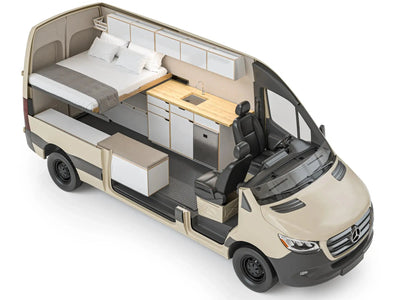
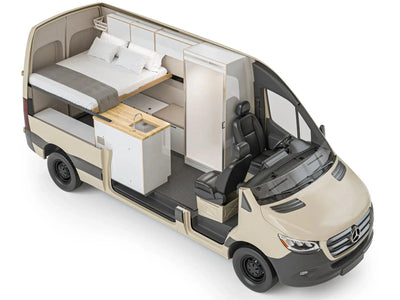
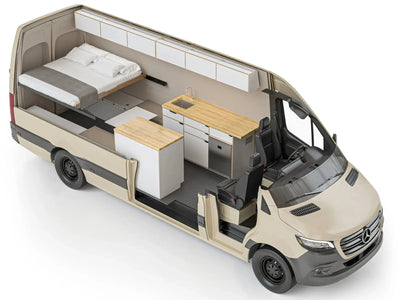
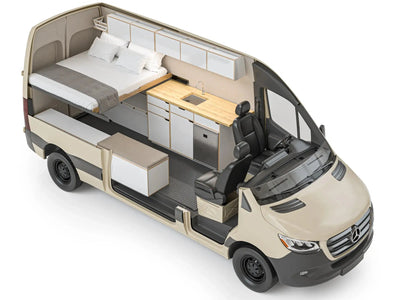
If you're trying to stretch the trip beyond the lodge stay, van layout starts to matter in a very practical way. Couples often look at our vans for couples or the DUO XL layout because a 2- or 3-day hunt can turn into a full week on the road without adding more lodging reservations.
How to choose the right hunting lodge stay for your first trip

Photo: Brandon Jones / USFWS
The photo above shows open prairie at sunset on LaCreek National Wildlife Refuge in South Dakota. Upland country like this is big and uneven, so a day in the field can mean long walks through tall cover at a pace set by the dogs, which is exactly what to ask a lodge about before you book.
For a first trip, experience fit matters more than prestige. A guided lodge with clear structure is usually a better pick than a loosely defined hunting property. You want to know how the day works before you show up with boots, shells, and questions.
Safari Club International's outfitter guidance puts a lot of weight on expectation-setting, and that makes sense. New hunters often underestimate field pace, patience, and physical demand. A polished website doesn't answer those questions for you.
Guide ratio is one of the biggest decision points because it affects both attention and instruction in the field. Species choice matters too. Quail, pheasant, dove, and mixed upland trips all create different daily rhythms, seasons, and likely costs.
The best beginner-friendly lodge is usually the one that explains pace, support, and inclusions clearly before arrival. Solve the trip in the right order: hunt first, route second, van gear third.
Guide ratio, skill level, and physical demands

Photo: BLM Oregon & Washington
The photo above shows a Brittany, one of the classic upland bird dogs, at a bird dog field trial on public land in eastern Washington. On a guided lodge hunt, how closely you work with the guide and dogs like this one shapes the whole pace of the day, which is why guide ratio and dog work are worth asking about before you book.
Flying B Ranch is a good reminder to ask about guide ratio up front because it ties wingshooting rates to that structure. Whether it's 1x1, 2x1, or a group format, that ratio changes both the cost and the amount of coaching you get. For beginners, more personal guiding often means a calmer first day.
Safari Club International also stresses realistic expectations about how hunts unfold. That's useful if you're moving from casual clay shooting into guided field hunting. The pace can feel slower, then suddenly faster, and that shift catches people off guard.
Physical readiness matters more than many lodge sites let on. Ask about walking distance, terrain, weather exposure, and whether vehicles are used between fields. A winter quail trip can feel very different from an early-fall dove outing, even if both are sold as premium experiences.
Dogs are a major part of many upland lodge trips, so ask how closely you'll work with guides and dogs in the field. If you want the least intimidating first outing, look for guided hunts, a clear daily structure, and transparent support. Broad species lists sound nice, but clarity is usually more helpful.
Lodge style: luxury retreat or hunt-first basecamp

Photo: David Restivo / NPS
The photo above shows the simple guest cabins at Roosevelt Lodge. Cabins like these sit at the hunt-first end of the range: comfortable, private, and close to the main lodge, without the spa-style extras of a luxury retreat.
Meemo's Farm sits on the luxury end with all-inclusive accommodations and fine cuisine. That's a good fit if you want the lodge itself to be part of the trip. For some groups, the room and the dinner table matter almost as much as the field time.
Guitar Outdoors lands in the middle. Private bathrooms, Wi-Fi, refrigerators, common spaces, and field extras make it polished, but still hunt-centered. Prairie Wildlife leans more on field logistics and practical inclusions, which can be ideal if your main focus is the hunt plan itself.
Vernon National Shooting Preserve shows the lighter end of the market. A preserve-day venue can be a smart trial run before you commit to a multi-night hunting lodge stay. Luxury isn't always better value. Sometimes a simpler trip tells you exactly what kind of bigger trip you want next.
Couples and mixed-experience groups often appreciate a more comfortable stay with private rooms and common areas. If that's the lane you're in, our Foundation builds and pop-tops are worth a look for the travel days around the hunt. A high roof or pop-top helps here, because the extra standing room makes muddy-boot mornings and cold-weather gear changes much easier.
The first-time booking checklist for a hunting lodge

Photo: Tom Koerner / USFWS
Pictured above is a mourning dove, the bird behind early-fall dove hunts like Prairie Wildlife's September and October season. Species windows like that are exactly why the checklist starts with confirming which birds and which dates your package actually covers.
Before you pay a deposit, ask every lodge for a written list of what is included and excluded. Prairie Wildlife is a strong model because it clearly separates guide service, dogs, meals, and field transport from rentals, shells, and gratuities. That one document can save you from most surprise costs.
Next, confirm exact species availability and season dates for your travel window. Don't assume the full-season calendar applies to your target hunt. Then clarify the pricing model, because per hunter, per package, per night, minimum group size, and guide-ratio pricing can all produce very different totals.
Check current bird outlook too, especially for pheasant travel, and ask about field difficulty, walking, terrain, and daily pace. Deposit, cancellation, and rescheduling terms matter as well, since many seasonal lodge trips are booked far ahead. The best hunting lodge stay is the one that matches your species, season, budget, and desired level of support.
For van travelers, a lodge often works best as one anchor point in a longer road trip. That setup gives you room to shift before or after the guided days if weather or bird reports change. A van also gives you one clean place for muddy boots, dog gear, and lunch coolers after a cold field day.
The questions to ask before you pay a deposit
Start with the room. Is lodging private or shared, and does the published rate assume a minimum number of hunters? Meemo's Farm, for example, starts with a two-hunter minimum, so that changes the math right away for solo guests.
Then ask which meals are included. Prairie Wildlife lists breakfast, lunch, and dinner in its lodging packages, and that kind of detail matters. If dinner is separate somewhere else, your nightly cost may be higher than the package first suggests.
Ask if shells are included. Guitar Outdoors says no, even though shells are available for purchase. Also ask if transportation to the field is included, because Prairie Wildlife includes it, but not every property does.
Make sure guides and dogs are part of the base package, and ask about the guide ratio. Flying B Ranch makes guide ratio part of its pricing, which is a strong hint that you should never leave that question unasked. Last, ask for the total estimated out-the-door cost after tax, gratuities, shells, rentals, and service charges.
Why a van-based trip can make a lodge stay easier

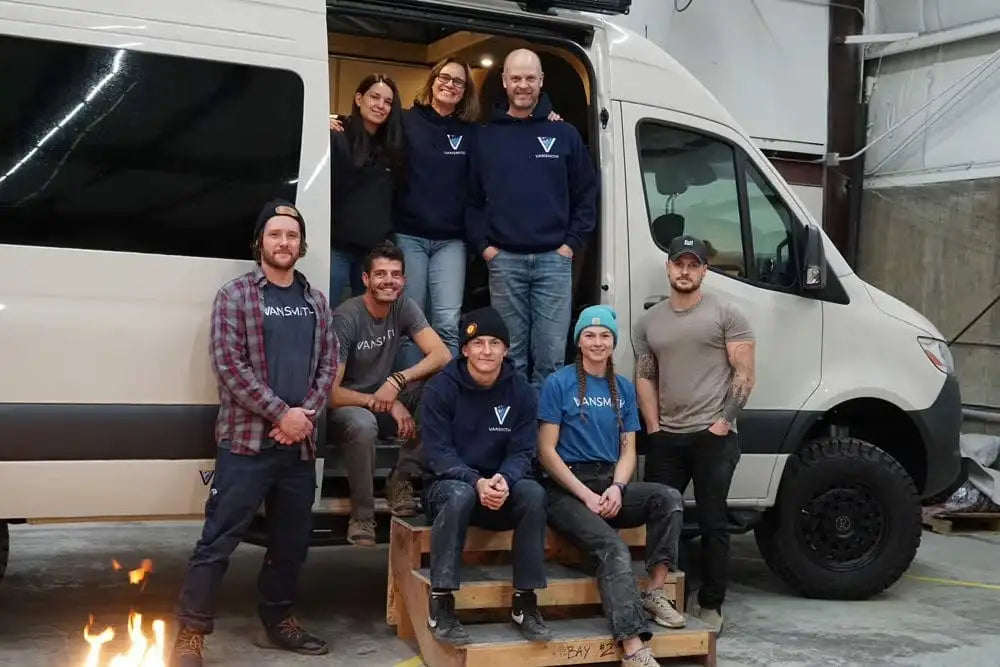
The photo above shows travelers and their dogs getting gear ready at the back of one of our vans. On a hunting trip, that same setup holds the dogs, boots, layers, and coolers for the days before and after the guided hunt.
A hunting lodge stay does not need to be the whole trip. A lot of travelers use it as the guided centerpiece of a longer road loop through public land, small towns, and shoulder-season camps. That approach works especially well if your dates are flexible.
A self-contained camper van helps in the kind of weather common to upland and quail seasons, which often run from fall into spring. Rural lodge locations can also make arrival and departure days feel rushed if you're relying only on hotels. Having your own sleeping space, food, and gear setup smooths that out.
Hunters traveling with dogs, bulky outerwear, coolers, and muddy boots usually do better with durable storage and an easy-clean layout. For couples, a two-person van can turn a 2- or 3-day hunt package into a full week on the road. As of 2026, our Sprinter Duo starts at $117,950 as a complete van and build, which gives you a concrete way to build longer destination trips around a guided stay.
If that sounds like your kind of travel, the next step is simple: book the lodge for the guided hunt, then use the van for the rest of the trip if weather, bird reports, or route plans change. You can see current options on our Transit conversions page, our Sprinter conversions page, or reach out through contact us if you want to talk through a travel setup.
FAQ
What is usually included in a hunting lodge stay?
Most packages include lodging, meals, guide service, and dogs, but the mix changes by property. Prairie Wildlife includes guide service, dogs, transportation to the field, an unlimited bird allowance, and breakfast, lunch, and dinner in its lodging packages. Guitar Outdoors also includes hearing protection and ranch-branded headwear, which shows how some lodges add extras beyond the core hunt.
How much does a hunting lodge cost in the U.S.?
Current examples suggest multi-day packages often run from about $1,950 to more than $7,000 per hunter before extras. Prairie Wildlife lists a $1,950 per-hunter split-day hunt with lodging and meals. Meemo's Farm starts at $3,910 plus tax for a 4-day, 3-night package with a two-hunter minimum, Guitar Outdoors charges $2,000 per person per day, and Flying B Ranch runs from $4,275 to $7,375 for 1:1 hunts.
What extra charges should I expect at a hunting lodge?
Common extras include ammunition, gun rentals, guide gratuities, staff service charges, taxes, pro-shop purchases, and sometimes airport transfers. Prairie Wildlife clearly lists ammunition, gun rentals, gratuities, and pro-shop purchases as separate costs. Guitar Outdoors also notes that shells are not included.
When is the best season to book a hunting lodge stay?
It depends on the species and the property. Quail lodge trips commonly run November through February, while Prairie Wildlife offers dove in September through October and upland bird hunting from October through March. Some places, like Meemo's Farm, run from mid-August through May, so the booking window can be much wider than many first-timers expect.
How do I know if a hunting lodge is beginner-friendly?
Ask about guide ratio, walking distance, terrain, and the daily pace before you book. Flying B Ranch bases wingshooting rates on guide ratio, which tells you how important that detail is. Safari Club International also stresses realistic expectations around hunt style and physical demands, and that's especially helpful on a first trip.
Should I check bird forecasts before booking a hunting lodge?
Yes, especially for pheasant or wild-bird-focused travel. Pheasants Forever's 2026 forecast looks at current habitat, access, and regional opportunity, which can tell you more about likely hunt quality than lodge marketing alone.
About the author

Carin Smit
President
Carin is President of The Vansmith. She writes on a range of topics tied to the business, from vans and builds to the broader vanlife world.
Read more about Carin