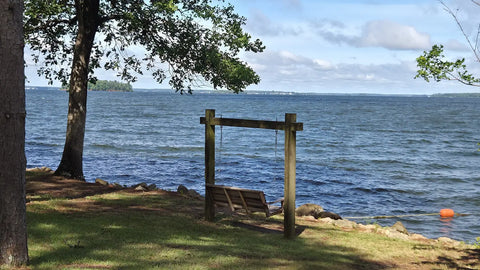
The photo at the top shows sunset over the beach through the dune grass at Cape Lookout. (Photo: Bonnie Moreland, public domain)
Cape Lookout State Park Campground is a large Oregon coast campground with 170 tent sites and 13 yurts. But the key planning fact in 2026 is this: the campground, day-use area, and hiker-biker camp closed on August 3 for park improvements. Oregon State Parks expects the improvement work to last through spring 2027, and the Cape Trailhead parking lot stays open with full access to the Cape Trail and South Trail. Whether this is the right stay for you comes down to one thing first: the park's current status. After that, it comes down to your weather tolerance and how much shelter you want at night. If it has reopened, Cape Lookout stands out because you can pair beach access, a real cape hike, and year-round camping in one place. For spring, fall, and winter trips, your sleep setup matters a lot more here than it does on a calm summer inland weekend.
What to know before booking Cape Lookout State Park Campground

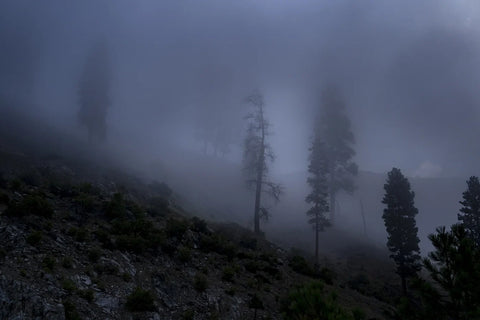
The photo above shows the forested cliffs of Cape Lookout rising above the beach, the headland the park and its campground are named for. (Photo: CC0, Wikimedia Commons)
According to the official Oregon State Parks park profile, Cape Lookout State Park includes 170 tent sites and 13 yurts. That makes it a big coastal campground, with room for classic camping and a smaller pool of more protected stays. If you're trying to picture the scale, this is not a tiny bluff-top campground with a handful of pads.
The same official park page says the day-use area, campground, and hiker-biker camp closed on August 3, 2026 for park improvements. That's the first thing to check before you build a route, request time off, or start comparing sites. It affects the whole overnight plan.
The campground brochure describes Cape Lookout as a year-round camping destination. That's a big part of the appeal on the Oregon coast. It also shows that Cape Lookout camping goes beyond tent camping alone. The park materials list tent sites, yurts, cabins, and group tent camping. That gives couples, families, and first-time coast travelers more than one way to stay.
Core amenities are what you'd expect from a developed state park. The brochure lists showers, flush toilets, fire rings, and picnic tables, so you're not walking into a primitive setup. Coast conditions can flip fast, so a dry, heated setup changes the whole trip.
If the park is open, most van travelers care about three things here: beach access, wind exposure, and how fast they can get inside after a wet hike. Those same three things also shape whether a yurt is worth it over a tent site. If you're still sorting out your own all-weather setup, our van build blog covers a lot of the comfort choices that matter on coast trips like this.
Current status and why it matters
The closure notice is the single most important planning detail because it applies to the campground, day-use area, and hiker-biker camp, not just one small section of the park. A guide that skips that context can send you straight into a dead-end booking search.
Because conditions can change during improvement work, readers should check the official park page first instead of trusting an older blog post. Official state park sources are the better call for live status, reservation access, and amenity details. That's especially true while the 2026 to 2027 improvement work is underway.
If you're building an Oregon coast route, treat Cape Lookout like a destination that may need a backup overnight plan during closures or improvement periods. For van travelers, that can change the value of having a self-contained sleep setup. You're less tied to one lodging type if the plan shifts.
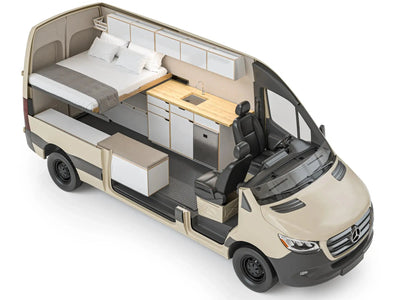
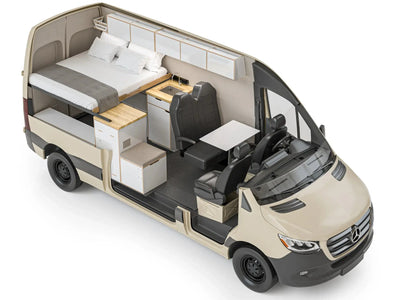
If you're still early in the process of building that kind of flexibility, The Vansmith's Foundation builds are a useful reference point for simple, weather-ready van setups. They fit the kind of trip where a campground closure doesn't have to kill the weekend.
Why this campground stands out on the Oregon coast
Cape Lookout stands out because it combines beach access, a major headland hike, and year-round overnight options in one park. The official brochure also highlights wave watching, which gives the place real appeal outside summer beach weather.
The official campground map shows the campground close to the beach and trail connections. That layout reinforces the idea that this is a stay-and-explore park, not just a place to sleep before moving on.
Another reason people like it is choice. Cape Lookout offers classic camping and yurt lodging in the same park. The statewide cabins and yurts information makes clear that those sheltered options are part of the state park system's comfort ladder. Families and couples often like having both paths on the table.
From a road-trip point of view, places like this are where people often decide if they want to keep renting or move into a van with heat, storage, and a dry reset space. For couples looking at that next step, The Vansmith's vans for couples show what a more self-contained coast setup can look like.
Yurts vs tent sites at Cape Lookout campground
The numbers tell the story right away. Cape Lookout State Park has 13 yurts and 170 tent sites, so the yurt inventory is much tighter when the park is open. If you know you want a yurt, plan early.
The brochure describes yurts as heated, domed structures with beds. That's a real comfort jump over tent camping in wet, windy, or cold Oregon coast weather. You still get a campground stay, though, not hotel lodging, because restroom and shower access is shared unless the park says otherwise.
Tent campers get the classic beach-camp feel, but they also get more exposure to damp air, sand, and overnight swings in comfort. The yurt-versus-tent choice is really a weather choice for shoulder season.
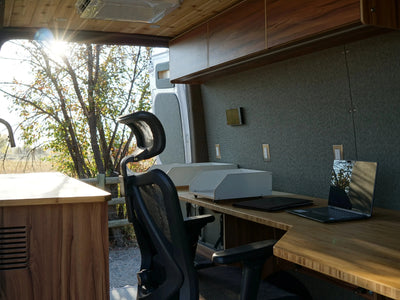
A good camper van sits between those two options. It's more mobile and self-contained than a yurt, and far less exposed than a tent. If you're comparing long-term travel options, our Sprinter conversions and Transit conversions are built around exactly that middle ground.
What Cape Lookout yurts are actually like
The official brochure says the yurts are heated, and that one detail matters a lot on the Oregon coast. Heat changes how a cold, wet evening feels after a beach walk or a hike. It can be the line between cozy and miserable.
The brochure also notes that yurts include beds, so you're not starting from a blank patch of dirt the way a tent camper does. Oregon State Parks frames yurts as a more comfortable campground stay, but still within the shared-facility campground environment. That means more shelter, not full private lodging.
Because yurts require reservations, they act more like limited-inventory lodging than campsite overflow. Families with younger kids and couples often lean this way in colder months because they want the coast without managing a fully wet tent setup. That's a common stepping stone before van travel.
Some travelers use a few yurt trips as a test run for the van lifestyle. They learn what they value most: warmth, dry gear storage, and a simple place to reset. If that sounds familiar, our customize your van page is where those comfort choices start to get real.
When tent camping makes more sense
Tent camping is the main overnight format here. That larger inventory gives you more flexibility than the tiny yurt pool. For fair-weather summer trips, that can make tent sites the easier win.
The brochure confirms developed-site basics like fire rings and picnic tables, which matter if you're comparing Cape Lookout with rougher coastal options. Tent camping can make a lot of sense if you already have a weather-ready setup and want the more traditional camping feel.
Still, coast camping asks more of a tent than inland camping does. Damp air hangs around, weather changes fast, and wet gear piles up quickly. New coastal campers most often underestimate condensation and how much morale improves when you have a dry place to change after the beach.
That's also why many people move over time from tents to better shelter, whether that's a yurt for a weekend or a van layout like the DUO XL for years of coast travel.
Which parts of Cape Lookout camping feel closest to the ocean
The official map is the best tool for understanding Cape Lookout's layout because it shows loops, beach access, registration, restrooms, and trail links in one place. That's much more useful than trying to guess from site names alone. A quick map check can save a lot of regret.
The map and brochure together show the campground sitting between forested camping areas and the beach and dunes. That helps explain why some parts feel more sheltered while others feel more exposed to the coast. Not every site gives the same feel.
If you want the most ocean-adjacent feel, use the map to focus on loops nearest beach access instead of assuming every site feels equally coastal. Sites closer to the beach usually trade easier sand access for more wind and exposure. More wooded sections tend to feel calmer.
That trade-off matters even more for families and storm-season visitors. A short walk to the beach can sound perfect until you're hauling wet towels, tired kids, or muddy shoes back in the rain. For families planning that kind of trip, The Vansmith's family van conversions show why protected storage and easy in-and-out access matter so much.
Using the official map to choose a loop
The map identifies campground roads, loops, facilities, and beach access points, which makes it the most practical planning tool for site selection. It's especially helpful if you care about walk distance to the beach, restrooms, or trailheads more than just grabbing any open site. That's how most good bookings happen.
Because the campground is not one big open field, the map helps you picture the difference between wooded interior sections and areas nearer the dunes and shore. Yurt guests should use it too, since a yurt still connects to shared facilities and beach access. It's not isolated lodging.
Travelers planning a hike-heavy stay should also use the map to understand campground circulation and trail access. This is one of the easiest ways to avoid choosing a site that looks great online but feels inconvenient once weather turns.
If you enjoy sorting out trip logistics yourself, The Vansmith's DIY blog has more planning-minded content in that same practical spirit, especially for people dialing in gear and setup choices.
Oceanfront feel vs shelter: the real trade-off
Cape Lookout's beach-close camping is part of the draw, but that same position can mean stronger wind, blowing sand, and more exposure than inland loops. People often overvalue the closest possible beach position and undervalue shelter.
More protected or wooded sections can be a better fit for families, light sleepers, or anyone camping in cooler months. If your main goal is sunrise or sunset beach walks, being near beach access matters more than having the most open, exposed site.
The brochure's note about wave watching reinforces that many people come for the coast itself, not for the most dramatic campsite. In practice, the best coastal camps balance access and protection instead of maxing out one at the cost of the other.
That same logic carries into van design. A high roof, good insulation, and a dry place to cook tend to matter more than a flashy parking spot.
Reservations, timing, and booking strategy for Cape Lookout campground
Oregon State Parks handles bookings through its official reservation portal, and that's where you should check live availability. Third-party campground listings can help you discover a place, but they are not the right source for real-time booking. Go to the park system first.
Reservations are required for yurts and cabins statewide, so Cape Lookout yurt planners should assume advance booking is part of the deal. The statewide Oregon State Parks FAQ adds a very useful detail here. Online reservations for tent and RV sites can be made until 11:59 p.m. Yurts and cabins can only be booked online until 5:59 p.m. because of staffing and key or code logistics.
That cutoff difference changes last-minute planning in a real way. If you're hoping to grab a yurt after dinner, you may already be too late even though tent sites are still bookable online. Pair that booking strategy with a closure-status check, because reservation rules don't help if the campground is still closed.
For in-demand coast trips, the smartest move is to decide early what you're actually trying to book: a yurt, a beach-close tent site, or simply any overnight option. Those are three different goals. If you want help thinking through the build side of that same comfort-flexibility trade-off, our process page lays out how we approach it.
The reservation rules that actually affect your trip
The earlier 5:59 p.m. yurt cutoff is a real operating rule, not a random website quirk. Because yurts require reservations, travelers should not assume the same-evening flexibility they might expect from a tent site. If you want a yurt, don't wait until late evening.
This matters most for people doing loose coast itineraries. A rented van or borrowed tent can make you feel flexible, but the yurt system is less forgiving. If you're trying shoulder-season camping for the first time, the most weather-protected option you can actually secure is often the best move.
Best booking approach for yurts, tents, and shoulder season
Yurts are the scarcer inventory type at Cape Lookout, so they deserve first-priority planning. Tent campers have more inventory to work with, but site quality still varies based on beach access and facility location shown on the map. More choice does not mean all sites feel the same.
Shoulder-season travelers should weigh comfort, not just availability. A heated yurt may make more sense than a tent even if both are open. That's especially true once wind and rain enter the picture.
Travel Oregon's winter coast guidance is useful here because it frames storm season as a real draw, but one that needs planning and safe viewing habits. A lot of first-time coast campers focus only on whether they can get in, not on whether they'll actually enjoy the stay once weather arrives.
It's also why many road-trippers end up wanting insulated vans with heaters. They want more freedom than a fixed yurt booking, but more comfort than a wet tent. If that shift is already on your mind, you can always contact us and talk through what an all-season setup needs.
The Cape Trail, winter storm watching, and when Cape Lookout camping is most worth it

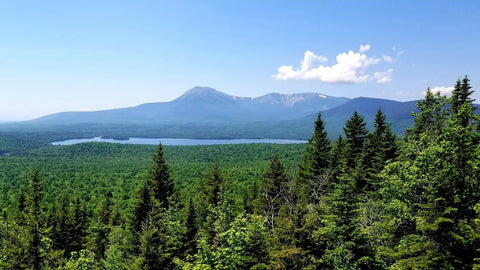
The photo above shows Cape Lookout framed by Sitka spruce, the kind of view the Cape Trail gives you as it heads out toward the tip. (Photo: CC0, Wikimedia Commons)
The official brochure says the Cape Trail runs 2.4 miles to the tip, and that hike is one of the main reasons to camp here instead of just stopping by. The same brochure also mentions the South Trail and North Trail, so hikers have more than one route to build into a weekend.
Cape Lookout is also called out as a good place for wave watching, which gives it strong shoulder-season and winter appeal. That's a big part of why this destination stays interesting even when beach lounging is not the point.
Travel Oregon's winter guidance stresses safe storm watching from secure vantage points, staying off dangerous surf zones, and never turning your back on the ocean. That safety framing matters because winter coast trips can be memorable precisely when conditions are dramatic.
For many travelers, Cape Lookout is most worth it when they pair one anchor activity with the right sleep setup. That might be the Cape Trail plus a heated yurt, or wave watching plus a warm van with dry storage. After a wet hike, onboard heat can change everything.
How to plan a Cape Trail camping trip

The photo above shows the Pacific through the trees along the Cape Trail. The trailhead parking lot stays open during the campground closure, so the hike is still an option. (Photo: CC0, Wikimedia Commons)
The Cape Trail is long enough to shape your day but short enough to fit comfortably into a weekend stay. That's part of its appeal. You can do the hike and still have beach time.
The South Trail and North Trail broaden the trip beyond the main cape out-and-back. Because hiking is one of the park's headline draws, exact campsite position often matters less than people think if the real goal is trail time and beach access. A campground stay works well because it cuts out a long same-day drive.
In cooler months, your recovery setup matters almost as much as the trail itself. Dry gear storage and a warm place to change make the second half of the day much better. That could be a heated yurt or a van with a diesel or gas heater.
For people who want a ready-to-drive setup aimed at that style of trip, our Transit lineup and Sprinter lineup are both built around all-season comfort and simple trailhead living.
Is winter Cape Lookout Oregon camping worth it?
Yes, if you're drawn to wave watching and dramatic coast weather. The official brochure specifically calls out wave watching, and Travel Oregon publishes winter-coast trip guidance because the season is a real draw. Winter is not the off version of this park. It's a different version.
Winter visitors should storm-watch from safe vantage points and avoid dangerous surf zones. Travel Oregon also warns visitors never to turn their back on the ocean, which is simple advice and easy to remember.
The case against winter tent camping is comfort, not scenery. The coast can be stunning in winter, but wet gear and overnight chill are harder to manage in a basic tent. For many couples and families, that's the strongest argument for booking one of the park's heated yurts if the campground is open and space is available.
If winter coast trips are becoming a habit, that is often when people start wanting a heated van setup of their own. The Vansmith's ready-built Bivy models and tailored builds are aimed at that kind of all-season traveler. Ready-built Bivy models take about 8 to 10 weeks, and tailored builds about 12 to 16 weeks. As of 2026, the Duo starts at $116,950 on a Ford Transit and $117,950 on a Mercedes Sprinter.
| Option | Starting price | What it gives you |
|---|---|---|
| Transit Duo | $116,950 | Heated, mobile coast-ready van setup |
| Sprinter Duo | $117,950 | Heated, mobile coast-ready van setup |
| Cape Lookout yurt | Reserve through Oregon State Parks | Heated shelter with shared campground facilities |
| Cape Lookout tent site | Reserve through Oregon State Parks | Classic camping with the most weather exposure |
The price gap buys you a lot more than a bed. It buys mobility, onboard storage, and a dry reset space on every future coast trip. If you're curious what that looks like in a larger layout, the Family XL is a good example for family travel.
FAQ
Is Cape Lookout State Park Campground open right now?
The official Oregon State Parks park profile says the day-use area, campground, and hiker-biker camp closed on August 3, 2026 for park improvements. Because that affects the main visitor areas, readers should verify current reopening status on the official park page before planning a trip. The park expects the work to last through spring 2027, and the Cape Trailhead parking lot stays open for the Cape Trail and South Trail.
How many yurts are at Cape Lookout State Park?
Cape Lookout State Park has 13 yurts, according to the official park profile. That is much smaller inventory than the park's 170 tent sites, so yurts are likely the harder reservation to secure when the campground is open. If a yurt is your first choice, treat it like limited lodging, not backup camping.
Can you reserve Cape Lookout yurts and campsites online the same day?
Yes, but the cutoff times are different. Oregon State Parks says online reservations for tent and RV sites can be made until 11:59 p.m., while yurts and cabins can only be booked online until 5:59 p.m. because of staffing and key or code logistics. Yurts and cabins also require reservations, so they are less flexible for late-evening planning.
How long is the Cape Trail from the campground area?
The official campground brochure says the Cape Trail is 2.4 miles to the tip. The same brochure also mentions the South Trail and North Trail, so hikers can build a fuller weekend around more than one route. That's one reason camping here makes sense instead of trying to cram the park into a quick drive-through stop.
Are Cape Lookout yurts better than tent camping in winter?
For many travelers, yes. The official brochure says the yurts are heated and include beds, which makes them much more forgiving in cold, wet coast weather than a basic tent setup. Travel Oregon also promotes winter coast trips for storm watching, but stresses safe viewing from secure vantage points and staying away from dangerous surf zones.
About the author

Electra Chronis
Head of Marketing
Electra leads marketing at The Vansmith. She writes across van life, camping and travel, from planning a trip to choosing and building the van that gets you there.
Read more about Electra