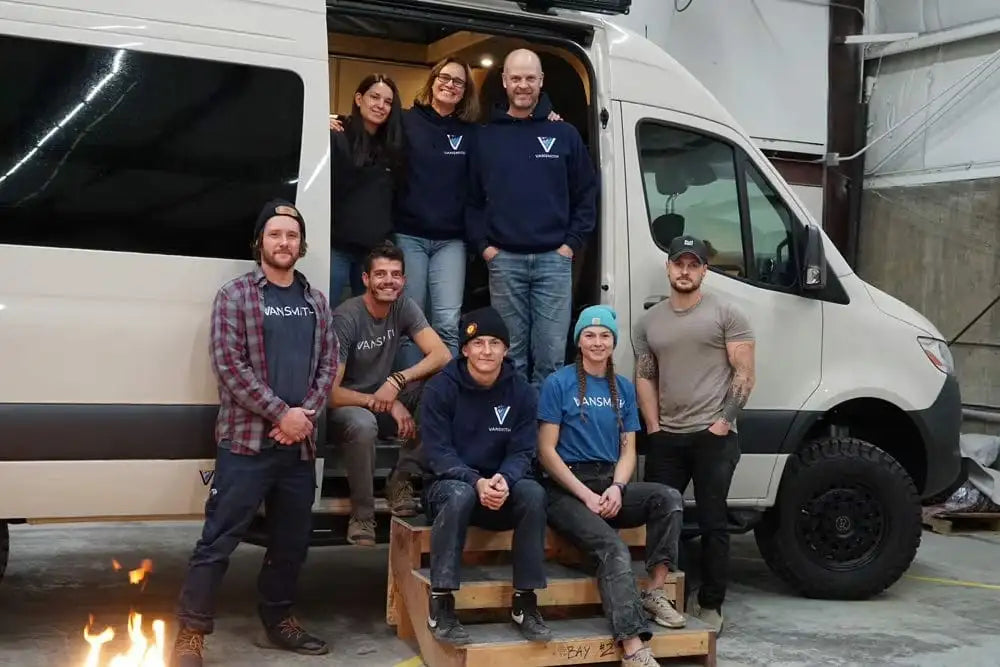
The AWD cargo van, like the Ford Transit, sends steady power to all wheels, making it ideal for highway driving and light off-road use. According to Ford’s Transit cargo van specifications, the available AWD system is designed to improve traction in rain, snow, and unpaved conditions without driver input. On the other hand, 4x4 systems, found in models like the Mercedes Sprinter, allow drivers to switch between two-wheel and four-wheel drive, giving better control on rough terrain. Choosing between these drivetrains depends on your driving needs, terrain likes, and payload needs.
Understanding AWD and 4x4 Systems

AWD systems send power to all wheels at the same time, which is a great feature for keeping traction on slick roads. This makes AWD ideal for highway driving and mild off-road use.
In contrast, 4x4 systems offer the option to switch between two-wheel and four-wheel drive, giving better control in off-road spots. This setup is especially helpful for those who often find they are in rough terrain.
As Car and Driver notes, AWD systems are usually lighter and more fuel-efficient than 4x4 systems, which can affect total payload and towing ability.
| Factor | AWD Cargo Vans | 4x4 Cargo Vans |
|---|---|---|
| How it works | Automatic, always sending power to all wheels for better grip on pavement and mild dirt | Selectable 2WD/4WD, often with low range for slow, technical off-road driving |
| Best use case | Daily driving, highway trips, wet roads, light snow, and graded forest roads | Deep snow, sand, mud, steep or rocky tracks, and frequent off-pavement travel |
| Fuel economy & weight | Typically lighter and slightly more fuel-efficient, leaving more payload for your build | Usually heavier with more driveline components, which can reduce payload and mpg |
| Driving experience | “Set it and forget it” feel; electronics manage traction with no driver input | More driver control; you choose when to engage 4x4 and, if equipped, low range |
| Best fit for van builds | Great for road-focused van life with occasional dirt roads and winter travel | Best for remote camping, overlanding, and heavier off-road use where getting stuck is costly |
AWD in Ford Transit
The 2025 Ford Transit offers an AWD option across its range, boosting its flexibility for different driving conditions. This system helps keep power spread evenly, which is key during bad weather, as noted by Car and Driver. Interestingly, the AWD system in the Transit doesn’t greatly impact fuel economy compared to its rear-wheel-drive models, with EPA estimates for comparable Transit configurations staying in the mid-teens for combined mpg according to fueleconomy.gov data for recent Transit vans.
The Transit AWD models can tow up to 7,500 pounds, giving room for different conversion needs. Ford lists a maximum towing capacity of up to 7,500 pounds for properly equipped Transit cargo vans with the available tow package and engine options in its official towing and payload guide. If you're interested in converting a Ford Transit, check out the Ford Transit Van Conversions collection.
4x4 and AWD in Mercedes Sprinter
The 2025 Mercedes Sprinter offers both 4x4 and AWD options, covering a wide range of needs. The 4x4 models come with a low-range gear you can select, perfect for tough off-road spots. Meanwhile, the AWD Sprinter offers permanent all-wheel drive with a 40:60 torque split, giving steady traction in different conditions.
Mercedes-Benz USA reports that both the 4x4 and AWD models have a towing limit of up to 7,500 pounds in its official Sprinter cargo van specifications. For more about Sprinter conversions, visit our Sprinter Vans Conversion page, or explore our custom Sprinter van build services if you want a fully tailored rig.
Tire and Traction Considerations

Choosing the right tire can make a big change in getting the most from both AWD and 4x4 systems. This is true whether you’re driving a Mercedes Sprinter 4x4 or a Ford Transit in an AWD vs 4x4 cargo van comparison. As Tire Rack notes, all-terrain tires can greatly boost off-road performance for both systems. Proper tire pressure management is also vital for keeping good traction across different terrains.
In snowy conditions, snow tires can greatly enhance grip and safety. Traction aids like chains are a good idea for extreme conditions, especially if you’re pushing a 4x4 conversion Sprinter or a similar rig into more remote terrain. The National Highway Traffic Safety Administration’s winter driving guidance also stresses the importance of proper tires and traction devices when traveling in snow and ice.
Performance in Snow and Sand

In snowy conditions, AWD systems usually perform better due to their steady power spread to all wheels. However, 4x4 systems can better handle deep snow and sandy ground when using their low-range gears. Both systems gain from control systems that help prevent slippage on slick roads.
When driving on sand, lowering tire pressure can increase the contact patch and prevent sinking, which is crucial for both AWD and 4x4 vehicles. For those interested in trips with snow and sand, look at our Vans with Poptops, which can give extra space and comfort.
When you’re weighing AWD vs 4x4 cargo vans for a camper build, it’s worth thinking beyond traction and looking at long-term use. Maintenance, parts access, and repair issues can all impact your time on the road. AWD systems are often simpler and more built-in from the factory, which can mean fewer single parts to service.
Many AWD cargo vans, like the Transit, use electronic systems to manage power spread on their own, cutting the need for driver input but raising reliance on sensors and control modules. Traditional 4x4 systems, especially those with low-range gearing, can be more mechanically complex and may need more often checks of driveline parts if you’re regularly pushing them off-road.
Before you commit, talk with a trusted auto tech or dealer about common wear items and service intervals. Ask how easy it is to get parts in the areas you plan to travel.
Payload and inside layout are also key when choosing between AWD vs 4x4 cargo vans for a conversion. The extra hardware in both systems adds weight, which eats into your open payload for water, gear, cabinets, and people. In many cases, AWD systems add slightly less weight than a full 4x4 setup. This can be a plus if you’re planning a heavier build with things like a fixed bed, large battery pack, and roof deck.
On the other hand, 4x4 vans often sit higher from the factory, which can improve ground clearance but make entry and exit a bit more tough. This is worth a look if you’re putting in a high roof, roof-mounted solar, or a rear ladder. Measure your usual gear load, guess your build weight, and compare that to the published payload ratings for each drivetrain. That way you’re not forced to compromise on your layout later.
Last, think about how and where you really drive, not just the dream trips. For many van lifers who spend 80–90% of their time on pavement with now and then dirt roads, comparing AWD vs 4x4 cargo vans often comes down to trust in bad weather and comfort on long highway stretches. AWD tends to shine in rain, packed snow, and mixed setups. It does this without asking the driver to think about when to engage four-wheel drive.
If your plans include steady winter passes in Colorado, muddy forest roads in the shoulder seasons, or deep sand on remote beaches, a 4x4 system with low range and proper tires can give you a bigger safety margin and more recovery options. Whichever route you choose, pair the drivetrain with good all-terrain or winter-rated tires and solid recovery gear. Add a realistic understanding of your van’s limits, and you’ll get more from your travels than from any single spec on a brochure.
Towing and Carrying Capacity
Both AWD and 4x4 models of the Ford Transit and Mercedes Sprinter offer towing limits of up to 7,500 pounds. However, the payload amount may change a lot based on the van's setup and drivetrain. AWD systems might have slightly lower payload because of extra drivetrain parts, while 4x4 models often come with stronger suspensions to handle heavier loads off-road. Manufacturer towing and payload charts from both Ford and Mercedes-Benz Vans are helpful references when you’re comparing exact trims and options.
For those looking to tailor their vans for towing and payload needs, check out our Customize Your Van service, or browse our Sprinter and Ford Transit conversion packages to see what fits your goals.
FAQ
What is the difference between AWD and 4x4 in cargo vans?
AWD systems provide steady power to all wheels, ideal for on-road and mild off-road use. 4x4 systems allow switching between two-wheel and four-wheel drives, which is better suited for rugged terrains.
Are Sprinter vans available with AWD?
Yes, the 2025 Mercedes Sprinter offers both AWD and 4x4 options, covering many needs for on-road steadiness and off-road skill. If you’re considering a build, our custom camper van design and build page is a good place to start planning your layout and drivetrain.
How does the AWD system affect towing capacity in cargo vans?
AWD systems usually do not affect the towing limit, with models like the Ford Transit and Mercedes Sprinter giving up to 7,500 pounds.
Can AWD vans handle snow and sand effectively?
AWD vans perform well in snow due to constant traction but may need careful driving in sand, where 4x4 systems with low-range gears excel. For builds aimed at winter or mixed-terrain travel, many owners pair AWD or 4x4 drivetrains with our pop-top camper conversions for extra sleeping space and headroom.