Based on years of hands-on experience supporting adventure vans across Colorado and the West.
Caravanning with a baby is one of the most common conversations we have with growing families. Parents want to keep traveling, but they also want safety and sleep. The good news is that camping with a baby is absolutely possible with the right planning and realistic expectations.
- Start close to home so you can easily bail out if naps, feeds, or weather go sideways.
- Book a shaded, quiet campsite with bathrooms and potable water to simplify cleanup and nighttime routines.
- Pack a dedicated baby camping checklist with extra diapers, wipes, layers, and a secure sleep setup.
- Plan shorter drives with rest stops every 1–2 hours for feeds, diaper changes, and movement.
- Bring familiar sleep items - sleep sack, lovey, and sound machine - to make the van or tent feel like home.
- Use bug nets, sun hats, and baby-safe sunscreen to protect sensitive skin at camp.
- Carry a structured baby carrier instead of relying on a stroller for rough campground terrain.
- Watch the forecast closely and avoid trips with extreme heat, cold, or high winds when camping with a baby.
Start Small and Stay Close to Home
When you are camping with a newborn, stay within a short drive of home.
If something does not work, you can pivot. That confidence alone makes the first trip easier. Many families treat their first outing as a test run rather than a full adventure.
Staying multiple nights also helps. Babies need time to adjust to new environments. One night can feel rushed.
Choose the Right Campsite
Full Service Campgrounds Help
If you are taking a newborn camping, choose a campground with bathrooms and potable water. Full-service locations reduce stress around feeds and cleanup.
They also offer level pads and easier parking for a campervan with baby onboard.
Pick a Quiet, Shaded Site
Shade matters. Babies regulate temperature differently from adults. (Weather.gov) Look for trees or natural cover.
Avoid high traffic roads inside the campground. Quiet evenings support better sleep.
Check the Weather
Before taking a baby camping, watch the forecasts carefully.
Strong winds, heat waves, or freezing overnight temperatures can turn a simple trip into a difficult one. In Colorado, especially, afternoon storms can roll in fast.
Keep Plans Simple
Caravanning with a baby means adjusting expectations.
Plan short walks instead of long hikes. Schedule rest stops every two hours on travel days. Allow extra time for feeds and diaper changes.
Parents often ask for baby camping tips that make the biggest impact. The answer is usually simple. Do less.
Feeding and Diaper Planning
Prep baby food and bottles ahead of time. If breastfeeding, identify comfortable, shaded places for feeds.
Always pack extra diapers and wipes. Then add more.
Pack extra clothes and layers. Mountain weather changes quickly. Babies may need an additional layer even when you feel comfortable.
Sleep Setup Matters
Sleep determines how well everyone functions the next day.
Use Safe Sleep Gear
If you are using a travel trailer while camping with baby, choose a secure baby bed for travel trailer spaces that fits snugly and does not shift while parked - this is one item that should always be on your baby camping checklist.
In a van, compact travel bassinets or small playards work well. Always follow safe sleep guidelines. (Wikipedia)
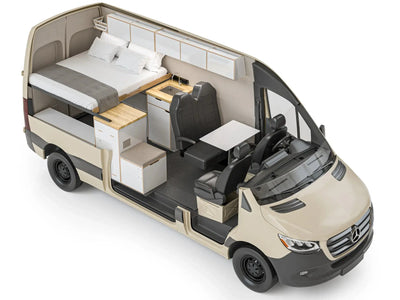
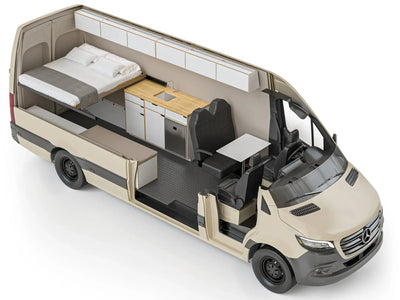
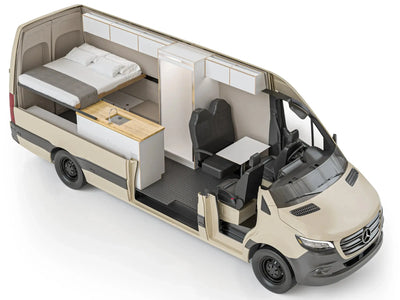
For families exploring layouts, our family van options show how thoughtful interior planning supports young children on the road.
Bring Bedtime Comfort Items
Bring familiar blankets, sleep sacks, or a favorite stuffed toy.
A portable sound machine can help mask campground noise. Some families also use a small monitor if the signal range allows.
Protect From Sun and Bugs
Mosquito protection is essential in many regions.
Use bug nets and zip screens over doors and windows. Pack baby safe insect repellent if age appropriate. (EPA)
Set up a shaded play area outside using an awning or tarp. A baby camp chair keeps them upright and contained while you prep meals.
Pack sun protection, including hats, lightweight long sleeves, and baby safe sunscreen.
Make Movement Easier
Carry a structured baby carrier.
Trails, gravel, and uneven campground terrain make strollers difficult. A good carrier allows you to stay mobile while keeping your baby close.
Take a larger tent if you are tent camping. Extra space helps with diaper changes and weather shifts.
Bath Time and Cleanup
Plan baby bath time with a small basin or collapsible tub.
Warm water can be heated on a camp stove and mixed carefully. Always test temperature.
Some parents use the vehicle as a backup shelter during wind or rain. Having that option reduces stress.
Carry a simple baby first aid kit with infant-specific supplies. Include a thermometer and basic medications approved by your pediatrician.
When to Take a Baby Camping
Age
Many parents ask about tips for camping with 3-month-old babies.
Three months can work well if feeding is established and sleep patterns are somewhat predictable. Camping with a newborn under two months requires more caution and shorter trips.
Conditions
Avoid extreme temperatures. Moderate spring and fall weather is often ideal.
Ready to plan van life with your little one? explore our services to design a family-friendly camper van that makes camping with a baby simpler and safer.
Experience
If you are new to camping across the US, practice locally first. Experience reduces anxiety. Preparation builds confidence.
For families planning longer trips, reviewing our design page can help you think through storage, sleeping layouts, and electrical needs before you commit to extended travel.
Top Travel Baby Bed Options for RVs
Compact and Lightweight
Small bassinets and fold flat travel cribs fit well in vans and tight trailers.
Best for Small Spaces
Mini playards with mesh sides provide airflow and visibility.
Versatile Playards
Convertible playards that transition into toddler spaces offer longer use.
For Toddlers
Foam travel mattresses placed securely on the floor work for older babies.
Maximizing Space
Use under-bench storage for baby gear. Wall pockets and soft organizers reduce clutter.
Tips for RV Baby Sleeping
Use Blackout Solutions
Window covers help maintain nap schedules during bright afternoons.
Create Safety
Secure loose objects before bedtime. Confirm doors and drawers are latched.
Utilize Storage
Keep nighttime essentials within arm’s reach. Diapers, wipes, and bottles should be easy to grab in the dark.
Final Thoughts
Taking a baby camping changes the pace, but it does not end the adventure.
Over the years, we have seen families successfully transition into caravanning with a baby by simplifying plans and prioritizing comfort. A simple, well-organized layout matters even more when you're traveling with young children.
The goal is not perfection. The goal is steady, thoughtful progress. With preparation and patience, camping with a baby becomes part of family life on the road.
FAQs
How to keep a 3-month-old warm while camping?
Use layered clothing, a proper sleep sack, and an insulated interior space. Avoid loose blankets.
Can I take a 3 month old baby camping?
Yes, if the weather is mild and you stay close to home. Keep the trip short and flexible.
What type of campsite is best for camping with a baby?
Full service campgrounds with bathrooms, shade, and level sites work best.
How do you handle baby bath time while camping?
Use a small basin with warm water and washcloths. Keep towels ready and bathe inside during cooler evenings.
Do I need a baby monitor while camping?
Not always. In small vans, you are close enough to hear. In larger setups, a monitor may help.
About the author

Eugene Smit
CEO
Eugene is the CEO of The Vansmith, based in Boulder, Colorado. He writes across topics related to van builds, ownership, and the camper van industry.
Read more about Eugene