The Ford Transit Class B RV AWD has become a top pick among van campers who want trust in changing road and weather conditions. With smart all-wheel drive and a roomy inside (Ford), it supports year-round travel without losing comfort. From snowy mountain passes to wet coastal roads, this platform fits people who value control, reliability, and thoughtful design.
Ford Transit AWD Class B RVs: What Sets Them Apart


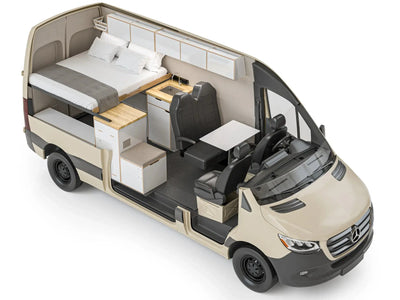
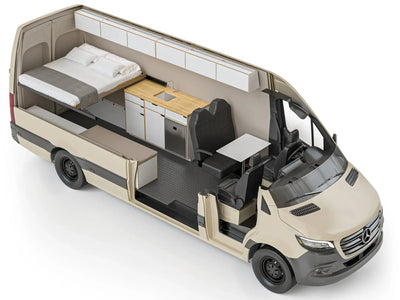
A Ford Transit AWD platform blends modern driving tech with van-friendly size. For people who move between cities and remote trailheads, this balance matters. New designs bring comfort to your journey by keeping the inside useful while the running gear handles tough conditions outside.
Popular Ford Transit AWD Models

Jayco Solstice
The Jayco Solstice offers a compact layout with smart use of inside space. Its AWD setup supports sure driving in rain and light snow. Inside, the focus stays on function and flow, making it a solid choice for people who want a simple rig without feeling stripped down.
Thor Talavera
Thor Talavera leans toward a modern, tech-focused interior. The Transit AWD chassis adds traction for travel in the shoulder seasons. This model suits trips that stay mostly on the road, where comfort and steadiness matter more than extreme terrain.
Coachmen Beyond
Coachmen Beyond models on the Transit AWD platform focus on even layouts and daily ease of use. Storage spots and seating flow feel planned. Top-notch build quality helps these vans handle long miles with fewer trade-offs.
Thor Gemini
Thor Gemini steps into Class B+ range while still using the Transit AWD chassis. It offers a slightly larger body with more inside room. This option works well for people who want extra living space but still prefer an easy-to-drive size.
Grit Overland Link 148
The Grit Overland Link 148 centers on tough build and outdoor prep. Paired with Transit AWD, it supports trips with lots of gear. The layout fits biking, skiing, and climbing-heavy ways of travel common in Colorado.
Top Ford Transit AWD Models for 2025–2026
|
Model |
Type |
Key Features |
Approx. Starting Price |
|
Winnebago EKKO |
Class B+ |
AWD, off-grid systems |
$200k+ |
|
Jayco Solstice |
Class B |
Compact, efficient layout |
$170k+ |
|
Coachmen Beyond |
Class B |
Balanced interior design |
$165k+ |
|
Thor Sanctuary / Tranquility |
Class B When you’re sizing up a Ford Transit AWD RV against rear-wheel drive or front-wheel drive platforms - or even comparing it to a luxury sprinter interior - the gap often shows up on the days when weather is less than ideal. On a dry highway, most vans feel alike. Add slush, a steep dirt road, or a rutted forest service spur, and the smart AWD system starts to earn its keep in ways a typical mercedes sprinter campervan interior can’t match on its own. Power shifts on its own to the wheels with grip, helping you stay in control without always easing the throttle. For many people, this means fewer tense drives to trailheads, less worry about getting turned around on a muddy road, and more trust driving home after a surprise storm. It’s not a rock crawler, but for real-world van trips - ski days, camping in the shoulder seasons, and exploring rough gravel roads - it hits a useful sweet spot. Inside layouts on a Ford Transit AWD RV also tend to favor daily ease of use over gimmicks. Because the Transit’s walls are fairly straight and the roof height is roomy, builders can create floor plans that feel open without wasting space. You’ll see this in details like beds that don’t require a 10-minute teardown every morning. Galleys allow two people to move past each other. Storage is sized for actual gear - skis, bikes, crash pads, and bulky winter layers. Some models put a fixed bed with a large gear area underneath first. Others lean into dinette beds that switch into a bed to make the most of daytime living space. If you’re planning a custom build, the Transit AWD platform gives you room to add things like a composting toilet, bigger fresh water tanks, or a set gear closet. It does this without making the van feel cramped. For people thinking long-term, costs to own and service access matter as much as the first purchase. One plus of choosing a Ford Transit AWD RV is the broad dealer and service network across the U.S. and Canada. When you’re 1,000 miles from home and a warning light pops up, being able to find a Ford dealer in most mid-size towns can save a trip. Parts supply is usually better than with more niche platforms, and many small shops are already used to the Transit drivetrain. That can lead to shorter down time and more steady, known maintenance. Pair that with the EcoBoost engine’s balance of power and efficiency, and you get a platform that’s not just capable on the road. It’s also realistic to live with for years of travel. |
Modern systems, AWD |
$175k+ |
|
Pleasure-Way Ontour |
Class B |
Premium finishes |
$180k+ |
|
Thor Compass / Gemini |
Class B+ |
Extra interior space |
$190k+ Ready to build your own Ford Transit AWD RV for all-season travel? Reach out to our team to talk layouts, systems, and budget, and contact us when you’re ready to get started. |
Why Choose the Transit AWD Chassis?
Intelligent AWD
Ford’s smart AWD system moves power on its own where traction is needed (Ford). This boosts control on wet roads, dirt roads, and snowy climbs. It supports safer travel without driver input.
EcoBoost Performance
The EcoBoost engine gives strong torque while keeping good fuel use (Ford). This balance helps when climbing grades or passing at highway speeds.
Serviceability
Ford’s wide service network across North America makes upkeep easier. For long trips, access to service spots adds peace of mind.
Safety Tech
Modern driver help tools support long driving days. These systems help cut fatigue and boost alertness in traffic or poor weather.
Ford Transit Class B RV AWD vs. Class B+
True Class B Camper Vans
True Class B vans stay close to the first van body size. They are easier to park and steer. The Ford Transit Class B RV AWD fits well here, giving traction without extra bulk.
Class B+ Compact Motorhomes
Class B+ models use the Transit cutaway chassis. They provide more inside space and storage. Still, they feel closer to small RVs than vans.
Pro Tip
If you value daily ease of driving and city access, stay with a true Class B. If inside room matters more, look at a Class B+.
How AWD Supports Real-World Van Travel
AWD does not turn a van into a rock crawler. Instead, it boosts steadiness and traction in common situations.
Rain, snow, gravel, and uneven road surfaces become less stressful. This matters for people who chase seasons and weather windows.
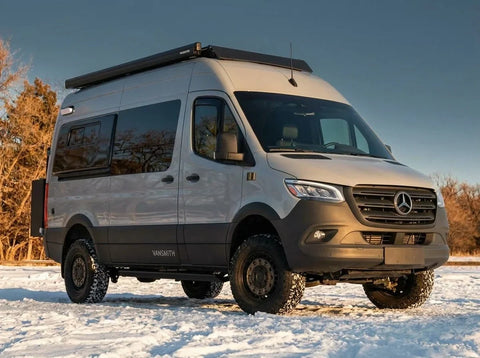
At The Vansmith, our Colorado roots shape how we view AWD. Ski days start early. Trailheads are not always paved.
Steady traction supports freedom without adding extra hassle. Sustainability in every van also matters. Good drive systems and smart setups cut waste while stretching travel range.
Designed for Purposeful Adventures
Over a decade of work shows that the best vans balance toughness and comfort. Top build quality, made to roam further, keeps systems steady over time. Personal help and support help people choose layouts that fit real needs, not trends.
The Ford Transit Class B RV AWD keeps growing in use because it meets people where they are. It supports long road trips, weekend getaways, and daily driving with equal trust.
For people who want traction, modern systems, and flexible layouts, the Ford Transit AWD platform stands out. It supports sure travel across seasons while keeping the van feel easy and clean.
Frequently Asked Questions
What makes a Ford Transit AWD RV good for all-season travel?
The Ford Transit AWD RV combines smart all-wheel drive with a roomy interior, so you can handle snow, rain, and wet roads without giving up comfort. Its modern driving tech and van-friendly size make it a strong fit for people who move between cities, mountain passes, and remote trailheads year-round.
How does Ford’s AWD system help compared to rear-wheel or front-wheel drive vans?
On dry highways most vans feel similar, but in slush, mud, or on steep dirt roads, the Transit’s AWD system shifts power to the wheels with the most grip. That extra traction means fewer tense drives to trailheads and more confidence getting home after a surprise storm.
Which Ford Transit AWD RV models are best for 2025–2026?
Standout Transit AWD-based models include the Winnebago EKKO (Class B+ with off-grid systems), Jayco Solstice (compact, efficient layout), and Coachmen Beyond (balanced interior design). Thor Sanctuary/Tranquility and Grit Overland builds also use the Transit AWD platform for more adventure-focused travel.
What’s the difference between Class B and Class B+ Ford Transit AWD RVs?
Class B Transit AWD RVs keep a compact footprint that’s easy to drive and park, with interiors focused on smart use of space. Class B+ options like the Thor Gemini use the same Transit AWD chassis but add a slightly larger body for more interior room and comfort.
Which Ford Transit AWD RV models are best for outdoor sports like biking or skiing?
Builds like the Grit Overland Link 148 are designed around rugged use and gear-heavy travel, pairing the Transit AWD chassis with layouts that handle bikes, skis, and climbing gear. Other Transit AWD Class B models, such as Coachmen Beyond and Jayco Solstice, also support active travel with planned storage and functional interiors.