One of the fastest ways to ruin a camping trip is realizing you forgot something important after dark, in bad weather, or miles from the nearest store. After years of road trips, mountain camping, and off-grid travel across Colorado and the West, we have learned that a good camping checklist matters less for perfection and more for reducing stress.
Whether you are planning your first weekend outdoors or preparing for longer travel, knowing what to take in camping helps keep trips safer, more comfortable, and easier to enjoy.
Why You Need a Camping Checklist
A solid camping checklist helps organize gear before you leave home.
It also prevents common mistakes that create problems once you arrive at camp.
Benefits of Planning Ahead
Good preparation saves time, reduces forgotten gear, and makes setup smoother.
Stay Organized
Packing categories ahead of time keeps gear easier to find during travel.
Avoid Forgetting Essentials
The most forgotten items are usually small:
-
Chargers
-
Lighters
-
Toilet paper
-
Extra batteries
-
Water containers
Improve Camping Safety
Safety gear matters more than convenience items.
Make Camping More Comfortable
Small comforts like dry clothing, proper bedding, and organized storage improve trips significantly.
Camping Checklist for Beginners
Beginner Camping Basics
If you are new to camping, focus on basics camping gear first.
You do not need expensive equipment to enjoy a weekend outdoors.
Start With Essential Gear
Prioritize:
-
Shelter
-
Sleeping setup
-
Water
-
Food
-
Weather protection
Choose an Easy Campsite
Begin with established campgrounds before attempting remote dispersed camping.
Practice Setting Up Equipment
Practice tents, stoves, and sleeping systems before leaving home.
Avoid Overpacking
Too much gear quickly becomes frustrating during setup and breakdown.
Common First-Time Camping Mistakes
Forgetting Weather Protection
Weather changes quickly in mountain environments.
Bringing the Wrong Clothing
Cotton clothing performs poorly in cold or wet conditions.
Poor Food Storage
Improper food storage attracts wildlife and creates campsite problems.
Not Packing Enough Water
Water planning matters more than most beginners expect.
Shelter and Bedding
Tent Essentials
A reliable shelter setup is one of the most important camping necessities.
Tent
Choose a tent appropriate for weather conditions and group size.
Tent Footprint or Tarp
Ground protection extends tent life and helps reduce moisture.
Stakes & Guy Lines
Wind conditions can change quickly overnight.
Rainfly
Always bring rain protection, even in dry forecasts.
Sleep System
Good sleep affects every part of camping.
Sleeping Bag
Match temperature ratings to expected overnight conditions.
Sleeping Pad
Pads improve insulation and comfort significantly.
Pillows & Blankets
Comfortable bedding helps improve recovery during multi-day trips.
Optional Shelter Items
Extra Tarp
Useful for rain coverage and cooking areas.
Canopy or Shade Shelter
Especially valuable during summer camping.
Tent Repair Kit
Small repairs are much easier in the field with basic repair supplies.
Camp Kitchen and Food
Cooking Essentials
Good meal planning keeps campsites cleaner and trips simpler.
Camp Stove
Reliable cooking systems matter during bad weather.
Fuel
Always bring extra fuel for longer trips.
Pots & Pans
Simple cookware usually works best.
Cooking Utensils
Do not forget serving and prep tools.
Matches or Lighter
Bring backups whenever possible.
Cooler & Food Storage
Cooler
Choose insulation appropriate for trip length.
Ice Packs
Reusable packs reduce water mess inside coolers.
Food Containers
Seal food securely to reduce wildlife issues.
Dining Essentials
Plates & Bowls
Reusable gear creates less waste.
Cups & Mugs
Insulated mugs help during colder mornings.
Reusable Utensils
Durable utensils simplify cleanup.
Cleanup Supplies
Dish Soap
Biodegradable soap works best outdoors.
Sponge
Dedicated camp sponges help keep gear cleaner.
Trash Bags
One of the most forgotten camping must haves.
Water Essentials
Drinking Water
Always carry more water than expected.
Water Bottles
Durable refillable bottles reduce waste.
Water Filter or Purifier
Useful for longer trips and remote camping.
Camping Food Ideas
Easy Camping Meals
Simple meals reduce cleanup and cooking stress.
Breakfast Ideas
Popular options include:
-
Oatmeal
-
Eggs
-
Breakfast burritos
-
Coffee and fruit
Campfire Dinners
Easy dinners include:
-
Foil packet meals
-
Chili
-
Pasta
-
Grilled vegetables
Quick Snacks
Bring:
-
Trail mix
-
Jerky
-
Energy bars
-
Nuts
Non-Perishable Foods
Shelf-stable food improves flexibility during travel.
Drinks & Coffee Essentials
Coffee Maker
Coffee setups become surprisingly important during cold mornings.
Thermos
Useful for longer hikes or road travel.
Electrolyte Drinks
Helpful during hot weather and high activity days.
Clothing and Personal Items
Clothing Layers
Layering works better than bulky clothing.
Base Layers
Moisture-wicking fabrics improve comfort.
Warm Layers
Even summer camping can become cold overnight.
Rain Gear
Weather protection should always stay accessible.
Sun Protection
Mountain sun exposure can be intense.
Footwear
Hiking Shoes
Supportive shoes matter for uneven terrain.
Camp Shoes
Comfortable camp shoes improve recovery after long hikes.
Extra Socks
Dry socks make a major difference during cold or wet trips.
Toiletries
Toothbrush & Toothpaste
Small essentials are easy to overlook.
Soap & Shampoo
Biodegradable products work best outdoors.
Towels
Quick-dry towels save space and dry faster.
Sunscreen & Bug Spray
Two of the most important things needed for camping.
Camping Essentials for Women
Personal Comfort & Hygiene
Thoughtful packing improves comfort significantly during longer trips.
Feminine Hygiene Products
Always pack extras during remote travel.
Dry Shampoo
Useful during multi-day camping.
Face Wipes
Helpful for quick cleanup before bed.
Hair Ties
Easy to forget but frequently needed.
Extra Clothing Layers
Temperature changes affect comfort quickly.
Safety and Tools
Lighting
Reliable lighting becomes critical after sunset.
Headlamp
Hands-free lighting works best around camp.
Lantern
Useful for cooking and group areas.
Extra Batteries
Always bring backups.
Camping Tools
Multi-Tool or Knife
Versatile tools help with repairs and cooking.
Rope or Paracord
Useful for tarps, gear repairs, and campsite setup.
Duct Tape
One of the most useful emergency repair items.
Safety Essentials
First Aid Kit
Every camping packing checklist should include basic first aid supplies.
Emergency Whistle
Useful for emergencies and remote travel.
Fire Starter
Carry waterproof fire-starting options.
Map & Compass
Offline navigation remains important in remote areas.
Camping Electronics & Navigation
Helpful Camping Gadgets
Simple electronics improve convenience and safety.
Portable Charger or Power Bank
Especially important for navigation and communication.
GPS or Offline Maps
Cell service is unreliable in many camping areas.
Solar Charger
Helpful during longer off-grid trips.
Emergency Radio
Useful during storms or remote travel.
Walkie-Talkies
Helpful for family trips and group camping.
Essentials Often Forgotten
Commonly Missed Camping Items
The most forgotten things to bring camping are usually small essentials.
Phone Charger
Easy to forget during rushed packing.
Toilet Paper
A classic camping mistake.
Extra Batteries
Backup power matters more than expected.
Trash Bags
Always bring more than needed.
Camp Chairs
Comfortable seating improves downtime significantly.
Weather-Appropriate Clothing
Weather shifts quickly in mountain regions.
Optional Comfort Items
Extra Camping Comforts
Not essential, but useful for longer stays.
Camp Chairs & Folding Table
Creates a more functional campsite setup.
Hammock
Excellent for relaxing at camp.
Games or Playing Cards
Simple entertainment works well around campfires.
Portable Speaker
Keep volume respectful in shared areas.
Coffee Maker
A worthwhile comfort item for many campers.
Seasonal Camping Packing List
Summer Camping Essentials
Lightweight Clothing
Breathable fabrics improve comfort.
Cooling Towels
Useful during hot weather.
Extra Water
Hydration needs increase significantly during summer.
Winter Camping Gear
Insulated Sleeping Bag
Cold-rated sleeping bags matter in winter conditions.
Thermal Layers
Layering improves warmth without excessive bulk.
Hand Warmers
Useful during freezing nights.
Rainy Weather Camping Items
Waterproof Gear
Rain protection matters year-round.
Extra Tarp
Provides covered workspace during storms.
Waterproof Footwear
Wet feet quickly reduce comfort.
Camping With Kids Checklist
Family Camping Essentials
Family trips require additional planning and flexibility.
Kids’ Sleeping Gear
Comfortable sleep improves everyone’s experience.
Snacks & Drinks
Easy snacks help during longer days outdoors.
Entertainment Items
Simple activities reduce boredom around camp.
Safety Essentials for Children
Keep emergency items easily accessible.
Pet Camping Essentials
What to Bring for Pets
Pets need their own camping items list too.
Pet Food & Water Bowl
Always bring extra food and water.
Leash & Waste Bags
Respect campground rules and trails.
Pet Bed or Blanket
Familiar bedding helps pets settle faster.
Pet First Aid Items
Basic pet supplies improve safety during travel.
Camping Setup Checklist
Setting Up Your Campsite
A good setup improves comfort and safety.
Pitch the Tent Properly
Avoid low areas where water collects.
Organize Cooking Area
Keep food storage away from sleeping areas.
Store Food Safely
Wildlife awareness matters in many camp regions.
Set Up Campfire Area
Follow local fire regulations carefully.
What to Do While Camping
Fun Camping Activities
Camping works best when the schedule stays flexible.
Hiking
One of the most popular camping activities.
Fishing
Check local permits and regulations first.
Campfire Cooking
Simple campfire meals often become trip highlights.
Stargazing
Dark campsites create excellent night skies.
Outdoor Games
Good for families and group trips.
Eco-Friendly Camping Tips
Leave No Trace Principles
Responsible camping protects public lands.
Pack Out Trash
Leave campsites cleaner than you found them.
Respect Wildlife
Keep distance and store food properly.
Use Reusable Gear
Reusable gear reduces campsite waste significantly.
Minimize Campfire Impact
Use existing fire rings whenever possible.
Essential Camping Tips
Arrive Early
Setting up in daylight reduces stress.
Check the Weather
Forecasts change quickly in mountain regions.
Choose the Right Campsite Location
Avoid flood-prone or exposed areas.
Pack Smart & Stay Organized
Efficient organization improves every part of the trip.
Printable Camping Packing Checklist
Family Camping Checklist
Family trips require extra food, layers, and entertainment planning.
Weekend Camping Checklist
Keep shorter trips simple and efficient.
Car Camping Checklist
Car camping allows more comfort items and storage flexibility.
Tent Camping Checklist
Tent trips require stronger weather and sleep preparation.
Final Thoughts
The best camping checklist is the one that matches how you actually travel. After years spent designing adventure vans and spending long stretches outdoors across Colorado and the West, we have found that thoughtful preparation almost always matters more than expensive gear.
Reliable shelter, proper bedding, weather protection, water planning, and organized storage consistently make the biggest difference.
Whether you are planning a quick weekend trip or preparing for longer road travel, focusing on practical camping essentials checklist items helps keep camping simpler, safer, and far more enjoyable.
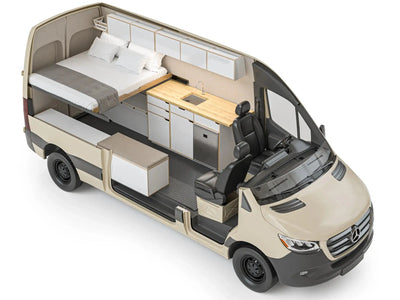
If you are exploring longer-term travel setups or searching for a camper van for sale, efficient storage and organized layouts become even more important for keeping gear manageable on the road.
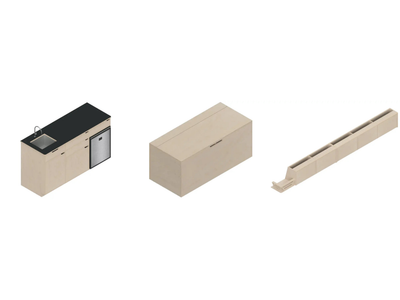
You can also explore layout ideas through Customize Your Van or improve your travel setup through practical Service & Upgrades.
Travelers comparing larger travel options can also browse RV for sale and Camper van for sale resources for more organized road trip planning.
Frequently Asked Questions
What are the best things to bring on a camping trip?
Reliable shelter, sleeping gear, water, food supplies, weather protection, lighting, and safety items are the most important basics.
What are the 10 essential items for camping?
Tent, sleeping bag, water, stove, food, first aid kit, headlamp, clothing layers, fire starter, and navigation tools.
What is the most forgotten item when camping?
Phone chargers, toilet paper, extra batteries, and trash bags are commonly forgotten.
What do you need for a camping checklist?
A good camping list should include shelter, food, water, clothing, safety gear, lighting, and personal items.
What are the necessary things for camping?
Water, shelter, sleep systems, weather protection, and food preparation supplies are the core camping necessities.
What should you bring on a camping trip?
Bring gear appropriate for weather, campsite type, trip length, and group size.
What are the basic camping necessities?
Basic camping necessities include shelter, warmth, hydration, food, and safety equipment.
What do I need for camping as a beginner?
Focus on simple basics camping gear first and avoid overpacking unnecessary items.
What should I not forget when camping?
Do not forget water, weather protection, lighting, chargers, or first aid supplies.
What to pack for a weekend camping trip?
Pack lightweight clothing, food, water, sleeping gear, toiletries, and basic cooking supplies.
What are the most important camping must-haves?
Reliable shelter, proper bedding, water access, lighting, and weather protection are essential.
What do you need when you go camping?
You need safe shelter, food, hydration, sleep systems, and proper clothing for conditions.
What should I bring for tent camping?
Tent camping requires strong sleep systems, weather protection, lighting, and organized food storage.