By Santiago Pere, Chief Design Engineer, February 18, 2026
Introduction, Why choice matters: minimalist vs fully-equipped
Choosing between a simple camper van and a fully built camper shapes every aspect of how you travel. The choice affects cost, weight, upkeep, comfort, camper van quality, and whether your van feels like a tool for short trips or a true year-round home.
To make this easier, this guide breaks down the pros and cons so you can pick the build that fits your way of living and budget. Think of it as a map that helps you avoid costly detours later on, especially if you are planning a high roof cargo van conversion or another tall camper build.
Who this is for
This is for solo travelers who prefer nimble rigs, couples who want comfort without fuss, and households that need tough, useful space. It is also for anyone weighing a staged, simple approach instead of locking into a luxury build up front. It is for those who want to see how camper van quality changes with each option. If you are unsure, try a short rental or a weekend test to see what you actually miss or want more of in a tall cargo van or high roof adventure rig.
or want more of.
Quick definitions (minimalist, midweight, fully-equipped)
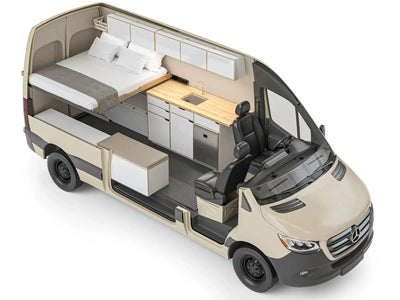
Simple build: key systems only. Sleep, simple cooking, basic storage, and light parts that keep payload low and upkeep easy.
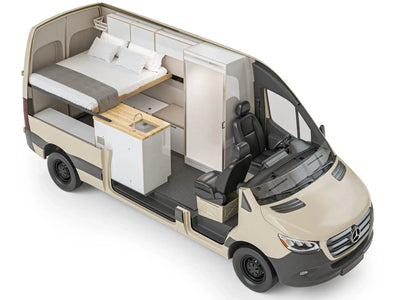
Midweight: a mix of built-in systems and portable gear for extended trips.
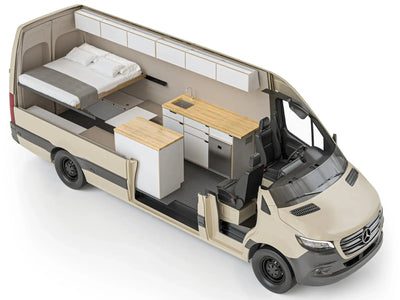
Full build: built-in plumbing, large power bank, power converter, heating and cooling, and often an inside bathroom for full-time living and the most freedom.
Core decision factors

Budget and upfront cost
Simple builds are the most budget friendly. Expect a build using simple cabinets and movable systems to cost a few thousand dollars for DIY or a modest professional build.
Full builds often run into the tens of thousands or more based on power, plumbing, and HVAC systems. Figure in guarantee, skilled labor, and long-term service costs, and add a backup amount so problems do not derail the project.
Weight, payload, and vehicle selection
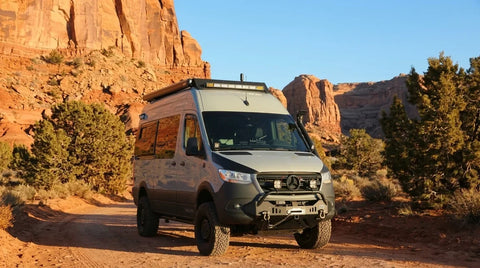
Weight matters. Simple builds preserve payload, improve fuel use (Edmunds fuel economy guidance), and keep handling steady. If you plan a luxury build with heavy systems, choose a larger chassis like a high-roof Sprinter and plan suspension or GVWR updates (Mercedes-Benz).
Most Vansmith clients choose a high roof cargo van for long-term builds. Mid roof buyers often add a pop-top later if they want extra headroom.
Intended use: weekend, seasonal, full-time
Weekend users gain from light, simple rigs. Seasonal trip-takers often choose midweight setups that add comforts without too much weight.
Full-time van travelers often choose full builds to keep year-round comfort and freedom. A simple way to make needs clear is to list a normal week on the road and mark which comforts matter most.
Climate and off-grid needs (water, power, heat, cool)
If you expect winter use or remote camping off-grid, plan for heat with the engine off, enough battery power, and a higher solar array. Simple rigs can be winter-ready with targeted insulation and a compact heater, but luxury systems deliver longer off-grid freedom at the cost of complexity. Prioritizing insulation early gives the best return on comfort for the least weight.
DIY skill, time, and build complexity
Simple builds shorten build time and reduce the need for expert trades. Full builds need electricians and plumbers for safe, code-aware systems. If you want to upgrade later, design the build with set-aside space and mounting points for batteries, an inverter, and plumbing to avoid redoing structural work.
Resale, warranty, and maintenance
Simple builds keep upkeep steady. Luxury systems increase service needs and long-term costs. Think about whether you value resale freedom or a custom, personal van.
Minimalist camper van, features, pros, cons

Typical layout and essential systems
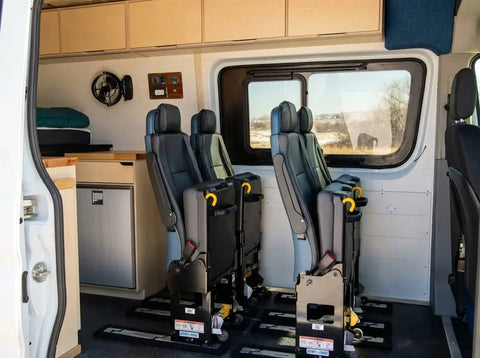
Simple bed platform or flip-down seating, compact cooking setup, flexible storage, and basic wiring for lights and charging. Fresh water may be carried in jerry cans or a small tank. Many owners find this setup fast to build and easy to tweak after a few trips, whether they’re working with a Mercedes Sprinter high roof, a Ford Transit high roof, or another platform. According to Ford Transit cargo van specs, high-roof models offer standing room for most adults, which makes minimalist layouts feel more livable without adding complex systems. It’s a clean way to get a feel for van conversion quality before committing to a more complex layout or higher-end systems in a tall cargo hauler.
Pros: mobility, cost, simplicity
- Lower build cost and faster turnaround
- Better fuel economy and payload buffer
- Fewer systems to fail and easier DIY maintenance
Cons: comfort trade-offs and limits
Less freedom in extreme weather, fewer creature comforts, and less onboard water and power for long off-grid stretches.
Ideal user scenarios
Weekend adventurers, part-time trip-takers, people who prefer lightweight systems and easier parking and driving.
Fully-equipped (luxury) camper van, features, pros, cons
Common luxury systems (plumbed kitchen, bathroom, HVAC, inverter, battery bank)
Built-in fresh and grey water systems, a built-in toilet or shower, large lithium power banks with a power converter, roof AC or smooth diesel heat, and a multi-zone wiring system all work together to deliver high camper van build quality. They also showcase careful custom campervan craftsmanship for extended autonomy in a high roof adventure van.
Pros: comfort, autonomy, year-round use
Full-time vanlife starts to feel possible. Longer stretches off-grid, better climate control, and house-like comforts make long trips easy to handle. Many owners describe the change as moving from camping to living.
Cons: cost, weight, maintenance, build time
Higher upfront cost, more weight that affects the chassis and handling, and more complex upkeep. Budget for skilled installs and possible suspension or GVWR updates. The NHTSA’s vehicle information highlights how staying within gross vehicle weight ratings is critical for safe braking and handling, which becomes more challenging as you add heavy luxury systems.
Ideal user scenarios
Full-time trip-takers, couples or households seeking year-round comfort, and those who value long off-grid freedom.
Midweight & modular options, best of both worlds
Modular furniture, plug-and-play systems, and staged upgrades
Plan your build to accept swap-in parts such as removable kitchen boxes, slide-in power packs, and pre-wired panels for future upgrades. This lets you start simple and scale up without redoing structural work.
Smart compromises (portable toilets, cassette systems, compact solar)
Carry-or-cassette toilets, compact solar arrays, and lightweight diesel heaters give many of the perks of luxury systems with less weight and cost.
How to plan a conversion that can be upgraded later
Put insulation, strong mounting points, and a future-ready wiring channel first. Save space for battery racks and inverter airflow. Document wiring and plumbing runs so upgrades are straightforward.
Van conversion options, components and upgrade paths
Electrical: shore power, batteries, solar, inverter sizing
Start with a modest power bank and solar setup sized for your normal use and design wiring pathways for larger systems later. If you expect heavy loads, install power mounts and conduit during the first build. According to U.S. Department of Energy guidance on vehicle charging, planning for higher electrical loads early helps avoid costly rewiring when you add larger inverters or shore power later.
Water & plumbing: jerry cans, freshwater tanks, onboard pumps
Begin with carry jugs and a small pump for ease. Upgrade to a built-in tank and pump when you need more storage and ease of use.
Heating & cooling: diesel heaters, roof AC, insulation choices
Insulation first. A compact diesel heater extends cool-season use with little waste. Roof AC is useful for hot areas but adds weight and power demand.
Kitchen and bathroom options (portable vs built-in)
Carry cook systems and flip-up sinks keep the build light. Built-in kitchens and bathrooms increase comfort and require more planning and space.
Storage, sleeping systems, and multi-use furniture
Design storage for use and long life. Dual-purpose furniture adds function without crowding the van.
Practical checklist before you commit
Budget worksheet and build timeline
Create a careful budget with a backup line and a clear schedule. Luxury builds take longer and often need hired trades. Build in a testing period after major systems are put in.
Payload and GVWR checks
Figure out likely build weight and compare it to your rig GVWR. Count people, water, and gear. If you will be near GVWR, plan for suspension updates. The NHTSA’s tire and loading safety information stresses that exceeding weight ratings can increase stopping distances and tire failure risk, so it is worth running the numbers carefully before committing to a layout, especially in a tall camper van or high roof cargo hauler.
If you’re weighing a simple setup against a full home on wheels and want help matching camper van quality to your budget and travel style, explore our services. You can also contact us to talk through your build options.
Permits, certifications, and insurance considerations
Check local rules and insurance needs for larger power or plumbing systems. Some upgrades need skilled install to keep guarantees intact.
Maintenance and lifecycle planning
Factor routine service for complex systems and budget for power pack swaps and plumbing upkeep over time.
Example build scenarios (cost, weight, and feature breakdown)
Simple weekend van (minimalist)
Bed platform, carry cooktop, jerry can water, basic 12V lighting. Low weight, low cost, quick build.
Seasonal traveler (midweight)
Small built-in kitchen, modest lithium power bank, 200 to 400 watts of solar, simple heater. Useful for longer trips while keeping weight in check.
Full-time vanlife (fully-equipped)
Large power bank with power converter, built-in water and grey water, built-in bathroom, roof AC or strong diesel heat, skilled wiring and plumbing. Higher cost and weight but the most freedom and comfort, especially in a high roof cargo van conversion designed for full-time living.
How to decide, a step-by-step decision flow
Questions to ask yourself
- How often and how long will I live in the van?
- What climates will I encounter and will I need year-round use?
- Do I prefer lower maintenance and easy DIY repairs or full comforts?
- What is my realistic budget including service and upgrades?
Recommended next actions (test runs, rental, staged build)
Rent a van for a weekend in the seasons you intend to travel. Start with a staged build: complete frame, insulation, and mounting work first, then add systems in phases.
Explore The Vansmith's base builds and Our Process pages for staged and base-first plans. Review Sprinter Vans build options if you are choosing a chassis for your tall cargo van or high roof rig.
FAQ
What is a minimalist camper van?
A simple camper van centers on key functions, sleeping, simple cooking, and basic storage. It keeps weight, cost, and hassle low so the van remains mobile, easier to build, maintain, and drive.
How much does a minimalist conversion typically cost vs a luxury conversion?
Simple builds can often be finished for a few thousand dollars using basic stuff and carry systems. Full luxury builds often range from tens to over one hundred thousand dollars depending on appliances, power systems, and skilled labor.
Can I upgrade a minimalist van later to a fully-equipped build?
Yes. Planning for swap-in parts with set-aside space for batteries, simple wiring channels, and mounting points for furniture allows staged upgrades. Put insulation and frame work first to avoid redoing major elements.
How does weight affect my choice?
Weight impacts payload room, fuel use, handling, and legal GVWR limits. Simple builds reduce stress on the chassis and allow smaller, more budget base vans. Luxury builds often need stronger chassis or suspension updates.
What are the maintenance differences between simple and luxury vans?
Simple vans have fewer systems to fail, leading to lower ongoing upkeep and easier DIY repairs. Luxury vans include complex power, plumbing, and HVAC systems that may need expert service and raise long-term costs.
For help matching your needs to the right layout and systems, check our sets for Sprinter Vans builds and base builds. Review our van layout guides to see real-world examples and proven options for your high roof cargo van or other camper conversion.
Not sure which is right for you? Explore Foundation builds or schedule a free consultation to plan a staged build.
About the author

Santiago Pere
Chief Design Engineer
Santiago is Chief Design Engineer at The Vansmith. He writes on topics spanning van design, builds, and life on the road.
Read more about Santiago