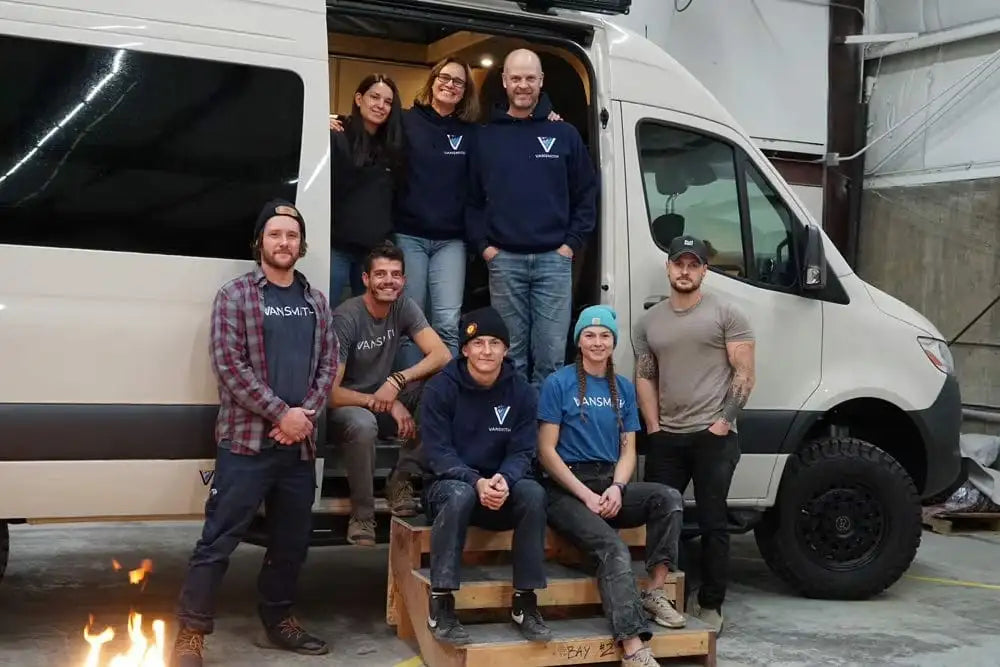
Trading a traditional home for life on the road sounds romantic - and in many ways, it is. But before diving into full-time camper living, it’s worth weighing both the benefits and the trade-offs. From the freedom to explore anywhere to the challenges of limited space and maintenance, here’s a realistic look at the pros and cons of RV living full time, from those who’ve done it.
The Pros of Full-Time RV Living

Freedom and Flexibility
Living in an RV means your front yard can change daily - from the red rocks of Utah to the Oregon coast. You decide when and where to go. That level of flexibility is one of the biggest reasons people take the leap.
At The Vansmith, our travelers often say that owning a Class B camper van for sale gave them the freedom to reclaim time and prioritize what matters most.
Potential Cost Savings
While the upfront cost of a van or RV can be significant, many find the monthly expenses lower than traditional living. You can skip rent, downsize possessions, and camp for free on public lands (BLM). Maintenance and fuel are recurring costs - but manageable with smart planning.
Minimalism Simplified
Less space means fewer distractions. You’ll learn what’s essential, reducing clutter and focusing on experiences rather than things. That shift often sparks creativity and gratitude for simplicity.
Closer to Nature
From waking up beside alpine lakes to watching desert sunsets from your bed, RV life reconnects you with nature daily. You don’t just visit the outdoors - you live in it.
Community on the Road
Vanlifers and full-time RVers form a close-knit, supportive community. Meetups, campgrounds, and online groups make it easy to find like-minded travelers who share tips, stories, and genuine friendship.
Simpler Maintenance and Cleaning
A smaller space means less to clean. Everything you own serves a purpose, and repairs are straightforward. That simplicity frees more time for adventure.
Personal Growth and Self-Discovery
Constantly adapting to new places and routines teaches resilience and problem-solving. You’ll learn to live with less, embrace challenges, and find joy in flexibility.
Remote Work Opportunities
Thanks to solar power, mobile hotspots, and satellite Wi-Fi (Renogy), digital nomads can work from mountain passes, beaches, or small towns. With the right setup, you can take your career anywhere your van goes.
The Cons of Full-Time RV Living

Limited Space and Storage
Even the most spacious RVs have tight quarters. You’ll need to downsize, organize efficiently, and sometimes get creative with storage - especially if you’re sharing the space with a partner or pets.
Ongoing Maintenance
Your home is also your vehicle. Mechanical issues, plumbing leaks, or heater problems can derail a trip and impact comfort. That’s why consistent upkeep is key - and a service partner like Customize your camper van helps ensure long-term reliability.
Weather Challenges
Cold nights, humid mornings, and high winds are part of the deal. Heating and insulation systems (like diesel heaters and wool insulation) are essential (Havelock Wool) for year-round comfort.
Isolation and Loneliness
Freedom can sometimes feel quiet. When you’re far from family or friends, it takes effort to stay connected and build new relationships on the road.
Before you commit to full-time RV living, it helps to test-drive the lifestyle. Rent a camper van or RV for a few weeks in different seasons and environments - try a snowy mountain town, a humid coastal area, and a windy desert. You’ll quickly learn what kind of layout, insulation, and systems you actually need. Keep a running list of what works and what doesn’t: storage you wish you had, gear you never use, and features that make daily life easier (like a fixed bed vs. a convertible dinette). That real-world experience will guide smarter decisions if you decide to buy or build a rig of your own.
Budgeting is another big piece of the puzzle. Full-time RV living can be cheaper than a mortgage or high city rent, but only if you’re honest about your spending. Track your costs for fuel, campsites, insurance, maintenance, and groceries for a few months. Compare boondocking on public land versus staying in RV parks with hookups - those nightly fees add up. Many full-timers aim to keep campground costs low by mixing in free or low-cost stays: national forest land, BLM areas, and occasional overnight parking at friends’ driveways. A realistic budget helps you avoid surprises and keeps the lifestyle sustainable long term.
Finally, think about how your work and routines will fit into full-time RV living. If you’re a remote worker, invest in a solid power system (solar, batteries, and an inverter) and at least two internet options, like a cell hotspot and campground Wi-Fi or Starlink. Set up a dedicated workspace, even if it’s just a swivel seat and a small table, so you’re not constantly rearranging your home to get things done. If you don’t work remotely, consider seasonal jobs in national parks, campgrounds, or outdoor towns that welcome travelers. Building your rig and your schedule around how you actually live and earn makes the transition smoother and far more enjoyable.
Travel Fatigue
Planning routes, booking campsites, and navigating new towns takes energy. Over time, constant motion can become draining without rest days or a home base to recharge.
Rising Travel Costs
Campground fees, insurance, and fuel costs can add up - especially in popular destinations. Many RVers offset this by mixing in free public lands and long-term parking options.
Limited Amenities
Some rural or off-grid spots lack consistent Wi-Fi, showers, or nearby stores. That’s part of the adventure - but it can make day-to-day tasks like laundry or repairs harder to manage.
The Vansmith POV: Crafting Vans That Support Full-Time Living
Full-time RV living should feel empowering, not exhausting. At The Vansmith, we design and craft vans that help you explore sustainably and comfortably for the long haul.
Our approach blends innovative design that brings comfort to your journey with sustainability in every van - using bamboo cabinetry, wool insulation, and energy-efficient systems that make long-term living practical.
Whether you’re new to the road or planning your next upgrade, we can help you design a van that fits your lifestyle - so you can spend more time chasing sunsets and less time fixing problems.
Conclusion
-
Freedom comes with trade-offs. RV living offers unmatched mobility but demands adaptability.
-
Maintenance is part of the journey. Treat your RV like both a home and a vehicle.
-
Intentional design matters. With the right setup, full-time RV living can be sustainable, comfortable, and endlessly rewarding.
If you’re ready to explore the road full-time, check out our Class B camper vans for sale or talk to our team about customizing your camper van to suit your next chapter of adventure.
FAQs
-
What is the downside of camper living?
Space limitations, maintenance needs, and occasional isolation are the biggest challenges. However, with planning and a solid setup, most travelers find the benefits outweigh the drawbacks.
-
Is it financially smart to live in a camper?
It can be. You’ll likely save on housing costs, but expenses vary depending on travel habits, campground fees, and vehicle maintenance.
-
What are the disadvantages of a motorhome?
Maintenance, fuel costs, and parking restrictions can be frustrating. But a well-maintained RV offers years of freedom and adventure.
-
Why not live in an RV full-time?
For some, stability and space matter more than mobility. But for others, the trade-off is worth the lifestyle - freedom, simplicity, and a deeper connection to nature.