After a long winter, many travelers ask the same question. How to get your RV ready for spring without missing a key thing. Cold storage affects plumbing, seals, batteries, and appliances, so a good check is always worth the time. (RVIA notes that regular inspection and maintenance are critical for safe RV operation.)
A simple RV spring care checklist helps bring your van back into travel shape. It also prevents small issues from turning into costly repairs once the road season begins.
Essential Spring RV Maintenance Steps

A good RV spring service routine looks at systems that may have been hit by cold weather or months of no use.
De-winterize Water Systems
Start with the plumbing system.
Steps usually include:
-
Flushing antifreeze from water lines
-
Filling the fresh water tank
-
Sanitizing the system
-
Checking for leaks
Turn on each faucet and confirm water flows smoothly. This is often the first step in any RV spring care checklist.
Inspect Roof and Seals
Roof seals are one of the most important inspection points.
Winter temperature swings can crack sealant around:
-
roof vents
-
skylights
-
antennas
-
solar panels
Even a small opening can allow water to enter slowly over time.
Appliance and System Check
Next, test all interior systems.
Check the operation of:
-
refrigerator
-
water heater
-
stove
-
ventilation fans
Running appliances early helps identify problems before your first trip.
Check AC, Furnace, and LP Gas
Temperature changes place extra stress on climate systems.
Test the air cooling unit and furnace. Also inspect LP gas lines and links for leaks. (The NHTSA recommends regular inspection of fuel and exhaust systems to reduce fire and carbon monoxide risks.) Many travelers find propane issues during their first spring trip.
Tire and Electrical Safety
Before driving, inspect tires and electrical systems.
Check:
-
tire pressure
-
sidewall cracks
-
battery voltage
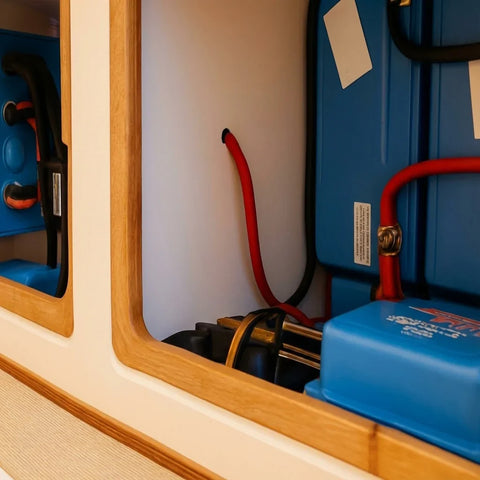
-
charging systems
Battery health is a key step when learning how to get your RV ready for spring. According to AAA battery care guidance, batteries that sit unused for long periods are more likely to fail and should be tested before travel.
Exterior and Safety Checks

Roof Inspection
A careful roof inspection prevents most water damage issues.
Look for:
-
cracked sealant
-
loose mounting hardware
-
worn vent covers
This step appears on every experienced owner's RV spring maintenance checklist.
Tires
Cold temperatures can reduce tire pressure.
Check:
-
inflation levels
-
tread wear
-
manufacturing date
Older tires can fail even if they appear visually normal. NHTSA tire safety information explains that underinflated or aged tires are a major factor in RV blowouts and handling issues.
Appliances and Propane
Confirm propane appliances ignite correctly and maintain steady flame.
Inspect regulators and hoses for wear.
Safety Devices
Safety devices should always be tested before travel.
Check:
-
smoke detectors
-
carbon monoxide detectors
-
propane detectors
-
fire extinguishers
Replace batteries if necessary. The National Fire Protection Association advises testing smoke alarms monthly and replacing batteries at least once a year.
Exterior Wash
A full exterior wash helps reveal hidden damage.
Cleaning removes road salt, dirt, and debris from winter storage.
Lubrication
Lubricate mechanical components such as:
-
door hinges
-
step mechanisms
-
slide rails
-
awning joints
Proper lubrication extends component life.
Interior Cleaning and Preparation
Interior preparation is often overlooked but important.
Pest Control
Rodents and insects sometimes enter stored vehicles.
Check cabinets, storage areas, and wiring spaces for signs of pests.
Systems Check
Turn on all interior systems including:
-
lights
-
water pump
-
fans
-
electrical outlets
This confirms your electrical and plumbing systems survived winter storage.
Deep Clean
Before your first trip, clean the interior thoroughly.
Focus on:
-
kitchen surfaces
-
bedding
-
storage areas
-
ventilation systems
Clean interiors also make it easier to spot leaks or damage.
Safety and Preparation
RV Roof
Roof inspections should always be part of your RV spring maintenance checklist.
Look for signs of moisture damage inside the vehicle as well.
Leaks
Water leaks are easier to fix when caught early.
Inspect window seals, plumbing fittings, and roof seams.
Pests
Look for chewed wiring, nesting material, or insulation damage.
Rodents can create electrical problems if wiring has been damaged.
Check Smoke Detector and CO2 Detector Batteries
Replace batteries annually.
This small step greatly improves safety during travel.
Engine and Chassis Checks for Motorhomes
Motorhomes require additional mechanical inspections.
Fluids and Filters
Check:
-
engine oil
-
coolant
-
brake fluid
-
transmission fluid
Also inspect air and fuel filters. Following the fluid and filter intervals in your chassis manufacturer’s maintenance schedule, such as the Ford Transit service recommendations, helps keep motorhome drivetrains reliable.
Generator
If your van includes a generator, run it for several minutes.
Confirm proper voltage output and smooth operation.
Wiper Blades
Winter weather often damages rubber blades.
Replace worn wipers before spring rainstorms begin.
Pro Tip From Years on the Road
Many owners rush through spring prep because they are eager to travel. But slow checks prevent most early season breakdowns.
When travelers visit The Vansmith, many are planning their first trip of the year while checking out our Class B Camper Vans for Sale. The most steady vans are always the ones that get good seasonal care.
Why Spring Maintenance Is Important for Your RV
Winter storage can stress multiple systems.
Common issues include:
-
cracked plumbing fittings
-
battery discharge
-
seal deterioration
-
tire pressure loss
Sticking to a steady RV spring care checklist cuts these risks and boosts travel dependability.
Common Problems Caused by Winter Storage
Long storage periods often lead to:
-
stale fuel
-
drained batteries
-
dried seals
-
rodent damage
Regular inspections help identify these problems before the travel season begins.
How Temperature Changes Affect Your RV
Freezing temperatures cause expansion and contraction in plumbing, seals, and wiring.
Over time this stress can weaken joints and create small leaks. That is why the RV spring check process looks closely at seals and plumbing systems.
When You Should Seek Professional RV Service
Some problems require experienced technicians.
You may want professional service if you notice:
-
electrical failures
-
plumbing leaks inside walls
-
propane odor
-
persistent appliance issues
In those cases, Camper Van Repairs & Installation Service can help diagnose and resolve problems safely.
Common Spring RV Maintenance Mistakes to Avoid
Assuming De-winterizing Is Done
Many owners assume the water system was prepared correctly for storage.
Always confirm before using it.
Forgetting Outdoor Fixtures
Exterior showers and water ports often hold antifreeze.
Flush them before use.
Dry Firing the Water Heater
Turning on a water heater without water inside can damage the unit quickly.
Always confirm the tank is full.
Skipping Roof and Seal Inspections
Roof inspections prevent the most expensive repairs.
Ignoring Slide-Out or Awning Care
Moving components require lubrication and inspection.
Ignoring Tire Age and Pressure
Even unused tires age over time.
Neglecting Battery Maintenance
Batteries may discharge during winter storage.
Check voltage and charging systems.
Forgetting Safety Devices
Always test smoke, propane, and carbon monoxide detectors.
Overlooking Small Leaks
Small plumbing leaks often appear after de-winterizing.
Using Household Cleaners
Harsh cleaners can damage RV surfaces.
Use products designed for RV materials.
Skipping a Test Drive
A short drive confirms that systems operate correctly before a long trip.
Final Thoughts
Spring prep is one of the most useful habits for long-term van ownership. A good RV spring tune-up protects key systems and makes sure your first trip of the year starts smoothly.
Many travelers planning a new camper also spend time checking layouts and travel setups. Our Design your camper van tool helps show layout options before the road season begins.
With the right prep and care for detail, the RV spring season turns into the start of many steady miles ahead.
Frequently Asked Questions
How often should RV spring maintenance be done?
Spring maintenance should be performed once each year before the first major trip of the season.
Which RV maintenance tasks are essential?
The most key tasks include de-winterizing plumbing, checking roof seals, testing appliances, checking tires, and making sure safety devices work.
Can RV maintenance be done without professional help?
Many care steps can be done by owners with basic tools. But electrical, propane, and frame issues may need expert service.