


1. Securely pack my boots, board(s), and gear in the van's garage. I keep all of my gear in a big Rubbermaid Tub or a nylon bag and use bungee cords to tie everything down so my winter road trip rig stays dialed and my cold-weather adventure vehicle is organized. The National Highway Traffic Safety Administration (NHTSA) notes that loose gear can become a dangerous projectile in sudden stops or crashes, so strapping everything down is more than just organization – it's a safety step.

2. Ensure my Webasto heater is ready to go. While Webasto heaters are pretty much bulletproof, to function properly they require at least a ¼-tank of fuel. Nonetheless, I always crank the heater to 11 before I hit the road, just to make sure it's in tiptop shape. I always turn it off before I start driving. And then back on when I get to the slopes. Because these heaters literally sip fuel by the drop, even after an entire day of boarding, not only is my heater still pumping, my fuel level basically stays the same. According to EPA and DOE cold-weather driving guidance on FuelEconomy.gov, idling and heating can impact fuel use in winter, so using an efficient auxiliary heater like this helps keep you warm without burning through your main tank as quickly and is a key part of how I prep my van for winter conditions and cold-weather road trips. It's one of the most important steps when I winterize my rig for snowboard season and get my camper ready for freezing temperatures as part of my overall winter van prep routine and broader cold-weather camper setup checklist.


5. Make sure my water tank is full (to fill my hydration pack), the fridge is stocked with beer, and my cabinets are stocked with lunch items. My go-to lunch is typically PB&J. But I have been known to put the electric kettle on and make myself a hot chili or soup, a la Patagonia Provisions… or even simple ramen. For longer drives to the mountain, I also like knowing that, as Ram highlights for the ProMaster cargo van, these rigs are designed to handle heavy loads and gear, so a full water tank and stocked fridge are well within what the platform is built for. This kind of simple stocking routine is how I winter prep my camper so it's always ready for last-minute storm chases and how I get the rig ready for winter travel. It's the final step when I prepare my van for winter road trips and back-to-back resort days and one of the easiest ways to cold-weather prep a camper van for spontaneous powder missions and keep a four-season camper setup ready to roll.

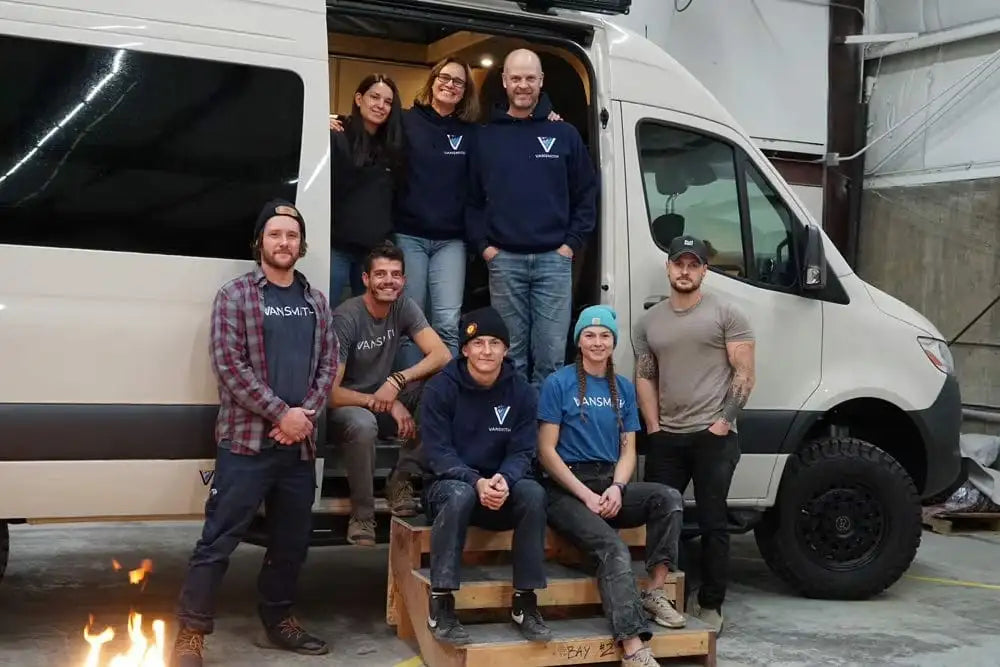
As you can probably tell, I'm always stoked to talk about my van and the adventures we go on together. What's so cool about owning a van converted by The Vansmith is that those adventures don't stop when it starts snowing. In fact, they just start to heat up! If you're dreaming about your own winter-ready build, you can start by checking out camper van winterization planning and planning how you'll keep your rig warm and functional all season long so your vehicle is always prepped for winter road trips and cold-weather mountain missions. Resources like the NHTSA's winter driving tips and AAA's winter checklist are also helpful references when you're dialing in your own cold-weather setup and figuring out how to prep your van for winter conditions and properly winterize your camper rig for snow season. For more background on how cold affects vehicles in general, EPA and DOE data on winter fuel economy is a useful reminder that engines, batteries, and fluids all work harder in low temps, which is exactly why I take my winter prep so seriously and focus on a complete winter camper setup instead of just a few quick tweaks.
Frequently Asked Questions
How do I prep my van for winter snowboard road trips?
I start by safely packing my boots, boards, and gear in the van's garage using a big tub or nylon bag and bungee cords so nothing shifts while driving. Then I check my heater, chains, boot tray, water tank, fridge, and food so the van is ready for a full day on the mountain. This lines up with general winter prep advice from organizations like AAA, which recommends checking emergency gear and vehicle readiness before heading into snow. If you're still in the planning phase, it can also help to understand Sprinter van conversion costs for every budget so you know what kind of winter-ready setup fits your goals and how that compares to other platforms like a Ford Transit medium roof camper build for snowy mountain trips and winterized road travel. According to Edmunds' winter driving tips, planning for reduced traction, longer stopping distances, and extra gear is key for safe cold-weather road trips and for anyone looking to properly prepare a van for winter use and fully cold-proof their camper for ski season as part of a broader winter camping setup.
What's the best way to store snowboard gear inside a camper van?
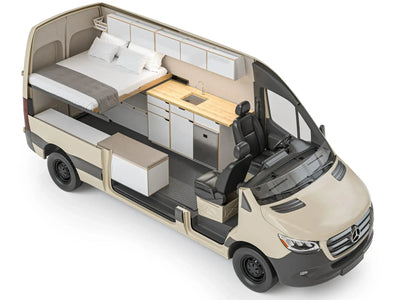
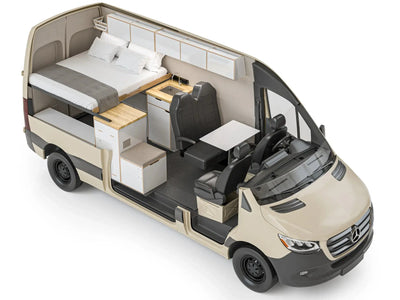
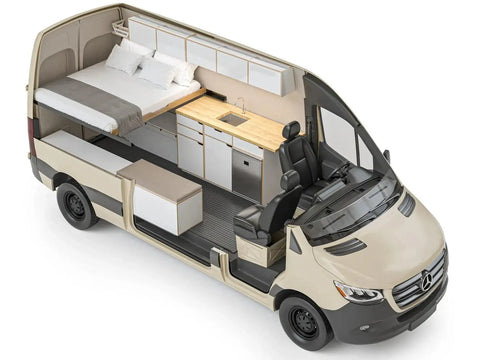
I keep all my snowboard and ski gear in a large plastic tub or a tough nylon bag in the van's garage area. As part of my basic van winter prep routine, I still keep it simple here. I use bungee cords to tie everything down so it stays put on bumpy mountain roads, whether I'm in my Ram van or checking out a friend's Sprinter winter build. If you're designing a new layout, looking at camper van layout ideas in the gallery can give you ideas for how to maximize garage space for boards and boots under the sleeping area, and checking out custom storage solutions can help you plan extra space for bulky winter gear. For more general vehicle loading and cargo safety, the NHTSA's cargo and tire safety resources are a useful reference when you're figuring out how to secure heavy winter equipment and get your rig ready for winter conditions as you weatherproof your camper setup and build out a safe winter camper configuration.
How do you use a Webasto heater for winter van trips to the ski hill?
Before I leave, I crank the diesel heater up to make sure it's working, then turn it off while driving. Once I'm parked at the slopes, I turn it back on and let it run all day so the van stays toasty. Because it sips fuel, my gas level barely moves. According to EPA and DOE guidance on FuelEconomy.gov, fuel economy can drop by as much as 15% in very cold weather, so relying on an efficient auxiliary heater instead of extended idling is a smart way to stay warm without wasting fuel. If you're comparing heater options for your own build, it's worth reading up on diesel vs gas camper van heaters so you can choose the system that best fits your winter travel style and how you like to prep your rig for cold weather, and pairing that with solid camper van electrical upgrade planning so everything runs reliably in freezing temps when you're trying to fully winterize your vehicle and dial in a four-season camper setup for true winter camping.
- Secure your gear in the garage: Use a big Rubbermaid tub or tough nylon bag for boots, boards, and outerwear, then strap everything down with bungee cords so it doesn't shift on icy mountain roads.
- Test your heater before you leave: Fire up your Webasto heater at home and crank it to max to make sure it's working, and confirm you've got at least a ¼ tank of fuel so it can run all day.
- Run the heater while you ride: Turn the heater off while driving, then back on when you park at the resort so you come back to a warm, dry van for lunch and après.
- Always carry snow chains: Even with front-wheel drive and aggressive all-terrain tires, keep chains in the van and ready to deploy when the snow stacks up or passes get icy.
- Prep a clean boot tray: Clear out old mud, ice, and debris so you've got a dry spot for wet boots and gear, and you're not stepping into cold puddles in your socks.
- Top off your water tank: Fill your tank before you head out so you can keep your hydration pack full and have water on hand for hot drinks or quick cleanup.
- Stock simple, warm food: Load the fridge with beer and easy lunches like PB&J, plus a few hot options - ramen, chili, or soup you can heat with an electric kettle - for quick, cozy meals between laps. If you're planning more off-grid days at the resort, consider pairing this with a custom camper van power setup so your fridge and kettle can keep running smoothly, and think about long-term upgrades by browsing four-season camper van builds to make your winter setup even more efficient and keep your build dialed for cold-weather use and full winter camper van readiness.
Do I need snow chains if my van has all-terrain tires?
Even with front-wheel drive and big off-road tires, I always carry chains in the van. When the snow is deep or the passes are icy, that extra traction can make the call between getting to the mountain or turning around. Many state departments of transportation and the Federal Highway Administration note that chains may be legally required on certain roads during storms, so I treat them as essential winter gear, not optional. Vehicle makers like Ford also emphasize proper winter tires and traction devices as part of their cold-weather driving recommendations, which lines up with how I prep my own rig for snowy passes and prepare my van for winter mountain driving as I work to fully winterize my camper van for alpine conditions and keep my winter camping setup safe and reliable.
Ready to prep your van for winter snowboard missions of your own? Reach out to The Vansmith to get a quote or explore our services for your next winter build. If you're still deciding on a platform, it can also help to compare AWD vs 4x4 cargo vans so you know what kind of drivetrain you want for snowy mountain roads and how you'll winterize your future build. For more background on how different vans handle in bad weather, you can also browse winter driving impressions and safety notes in resources like Edmunds' winter driving tips when you're weighing your options, and think ahead about interior comfort features like those covered in the ultimate guide to camper van bathrooms if you plan to spend lots of cold nights at the resort and want your conversion fully prepped for winter with a complete winter camper setup and four-season van build.
How do you keep the inside of a ski trip van dry and comfortable?
I clean off the boot tray before each trip so I'm not stepping into puddles in my socks, and I keep my water tank full for my water pack. I also stock the fridge with beer and the cupboards with simple lunches like PB&J, soup, or ramen so I can warm up and refuel in comfort between runs. For longer winter seasons, it's smart to think about your power and batteries too, and resources like the best campervan battery guide can help you choose a setup that keeps your heater, lights, and fridge running reliably in cold temps as you keep your conversion dialed for winter. According to DOE research on batteries in cold temperatures, performance can drop significantly as temps fall, so planning extra capacity and good insulation around your electrical system is especially important for snowboard season, especially if you're also adding upgrades and want to browse camper van interior options that change how heat and light move through your space and how you prep your van for winter camping and fully winterize your camper rig for extended cold-weather stays as part of a full winter camping setup. According to Car and Driver's winter driving tips, keeping wet gear contained and the cabin as dry as possible also helps reduce fogging and improves overall comfort on cold-weather trips.
About the author

Eugene Smit
CEO
Eugene is the CEO of The Vansmith, based in Boulder, Colorado. He writes across topics related to van builds, ownership, and the camper van industry.
Read more about Eugene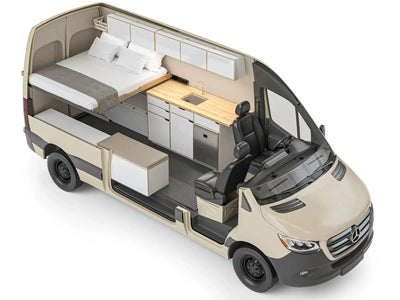



Comments
Yes