Guest Author ~
Manny Thompson
Turning a regular van into the dream van you have in mind is an exciting adventure. But what's your reason for joining over 3.1 million van lifers in the United States? Epic road trips, working from different locations, or are you tired of paying rent for a tiny apartment?
Whatever your reason is, building your dream van means you'll be making dozens of decisions that will affect your comfort, safety, and wallet. It starts from choosing the right van to picking materials to deciding who's doing the work.
All it takes is a clear plan.
So if you're serious about building your dream van, here's a step-by-step guide to help you make smart choices and create your ideal camper build.
Start with the Right Van

The first and most important move in building your dream van is selecting the right camper van. So, ask yourself these questions. Are you traveling/living solo or with someone? Do you need to stand up inside? Will you be living full-time or just on weekends?
The answers will help you come up with what kind of camper van model you’ll need, a Mercedes van or another model, as well as the size. According to Mercedes-Benz Sprinter specifications, high-roof models offer interior standing height of over 75 inches, which is a key consideration if you want to comfortably stand and move around inside your build.
You’ll also need to decide if you want a used van or a completely new camper van. Expect to pay up to $10,000 for a used van and $53,125 to $80,000 or more for a new van, depending on the model. For example, Ford Transit cargo van pricing varies widely based on wheelbase, roof height, and drivetrain options.
Plan Your Layout

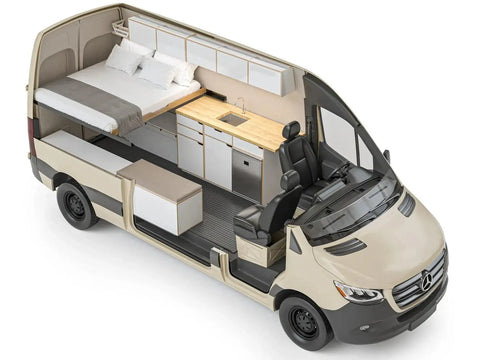
Now that you know the kind of camper van you want, the next thing is deciding how to build your camper van layout that'll work for your life.
What do you need inside your camper van? Do you need a workspace for remote work? Will you shower inside? Will you be cooking elaborate meals or just heating up canned food?
List out your must-haves, for example, bed, storage, power, and water. Then add nice-to-haves: a shower, a toilet, a big fridge, and a workspace. Your van conversion process should focus on essentials before luxuries.
Use paper or free apps to sketch your camper van layout, thinking about where everything will go before you start building.
Here are things you need to consider when building your camper van layout.
Don’t Hit the Road Without These Camper Van Items
Water and Plumbing
You’ll need fresh water tanks to hold clean water for drinking, cooking, and washing. Then, a gray water tank to collect used water from sinks and showers.
Install a quality electric water heater for a reliable shower setup and consistent hot water in your taps.
Here's a breakdown of what your camper van plumbing water system may cost.
-
Freshwater tank (10-30 gallons): $50-$200
-
12V water pump: $50-$150
-
Gray water tank $50-$150
-
Drain valves & fittings (small scale): $20-$600
-
Electric water heater $250-$600
-
Professional installation & wiring: $300-$700
-
Shower pan/drain kit: $100-$250
-
Waterproof wall panels or shower curtain: $50-$150
Beds and Living Space
Your camper van bed can be a fixed or convertible one. Think about whether you want a couch during the day and a bed at night.
A basic DIY fixed bed costs about $300 to $600. For a custom professional install, you’ll pay between $1,000 and $2,000 or more depending on the company and location.
For a convertible, a DIY will cost you up to $600, while a professional install will cost you between $1,000 and $1,800 or more.
For ideas on maximizing comfort and space, explore different Sprinter van bed systems before you commit to a design.
Add finishing touches like curtains, cushions, and lights to make your van feel at home.
Insulation
You'll want to stay warm in the cold and cool in the heat inside your camper van. You have options such as sheep's wool, foam boards, and spray foam. Don't forget vapor barriers.
Be sure to install a special vapor barrier between the insulation and interior walls to prevent trapped moisture, which can lead to mold and rust. Guidance from the U.S. Department of Energy on air sealing and moisture control can help you understand why managing condensation is so important in a small, tightly sealed space like a van.
Expect to spend between $300 and $2,000+ for insulation. The price depends on your choice of materials, the size of your camper van, and whether you opt for a DIY or professional installation.
Walls and Floors
After insulation, add wood panels or other materials to the walls. You have options such as pine tongue and groove or plywood.
Install your flooring next. Choose from vinyl planks that handle water spills and look like real wood or laminate, which costs less, but water damage ruins it.
The cost for these two largely depends on your choice of materials, design choices, and whether you opt for DIY or professional installation. Expect to spend $300 to $5,000 for walls and $200 to $1,200 for floors.
Windows and Ventilation
We know it'll sound scary as a first-time camp van builder, but you'll need to cut holes for windows or roof vents to create airflow, or your van will feel stuffy fast.
Roof vents pull hot air out while windows let air in. This creates airflow that prevents condensation.
The prices for windows rely on type and quality. Expect to pay $400 to $1,800. For ventilation, you’ll pay $400 to $1,000. To better understand how openings affect comfort, check out how camper van windows change light, heat, and privacy in a small space.
Kitchen and Storage
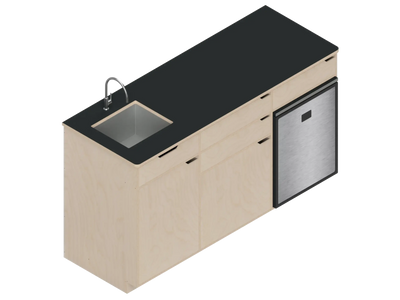
Your campervan kitchen can be basic or fully loaded. It depends on your cooking habits and budget.
Kitchen options include:
-
Built-in stove with two or three burners. These cost about $78-$300
-
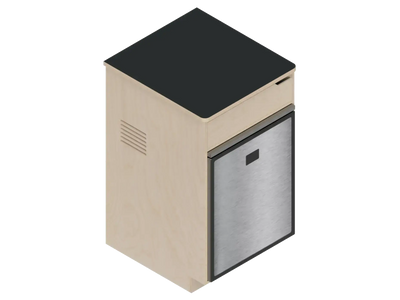
Mini-fridge or 12V compressor fridge. It may cost you about $179-$1,100
-
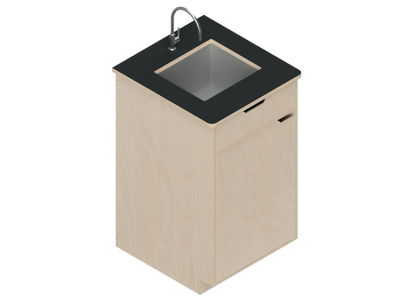
Sink with running water and proper drainage $50-$1,500
-
Counter space for food prep and storage. For this, the prices will vary depending on your type of wood and finish.
Ready to turn your vision into reality? Explore our services and start building your dream rig today.
Here's where you also figure out your storage options.
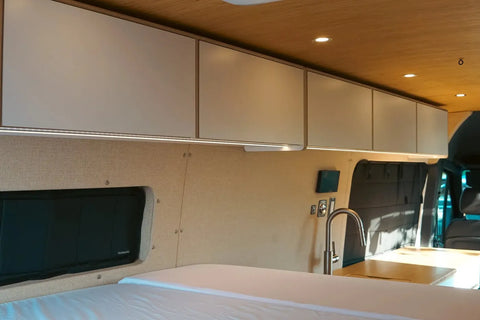
Your storage can go under beds, in cabinets, in overhead compartments, or behind front seats. Use soft-close hinges and locks to keep things secure while driving.
Think about weight distribution. Heavy items like water and batteries can sit low and centered. Light items like clothes can go in overhead cabinets. The National Highway Traffic Safety Administration notes that overloading or unevenly loading a vehicle can affect handling and tire safety, so smart weight distribution is more than just convenience—it's a safety issue.
Electrical and Power Systems
Last but not least, what it really takes to build your dream van is powering your van. Get this wrong and you'll sit in the dark with dead batteries.
For reliable power in your camper van, your electrical system needs several parts working together.
-
Solar panels charge batteries during the day ($500)
-
Deep cycle batteries store power for nighttime use ($153)
-
Inverter changes 12V battery power to 120V household power ($250)
-
A charge controller prevents batteries from overcharging ($100 to $615)
-
Fuse box and wires distribute power safely ($150+)
Size your system based on actual power needs, not guesses. You can use tools like the solar and energy efficiency guidance from fueleconomy.gov as a starting point for understanding how much power you realistically use on the road.
If you’re unsure about wiring and safety, it’s worth reviewing camper van electrical safety best practices or hiring a professional.
Camper Van DIY or Hire a Pro?
Now that you know the steps to converting a van, let's talk about who's doing the work. If you have the skills and want total control, build your camper van. You'll work at your own pace and change plans without an extra charge.
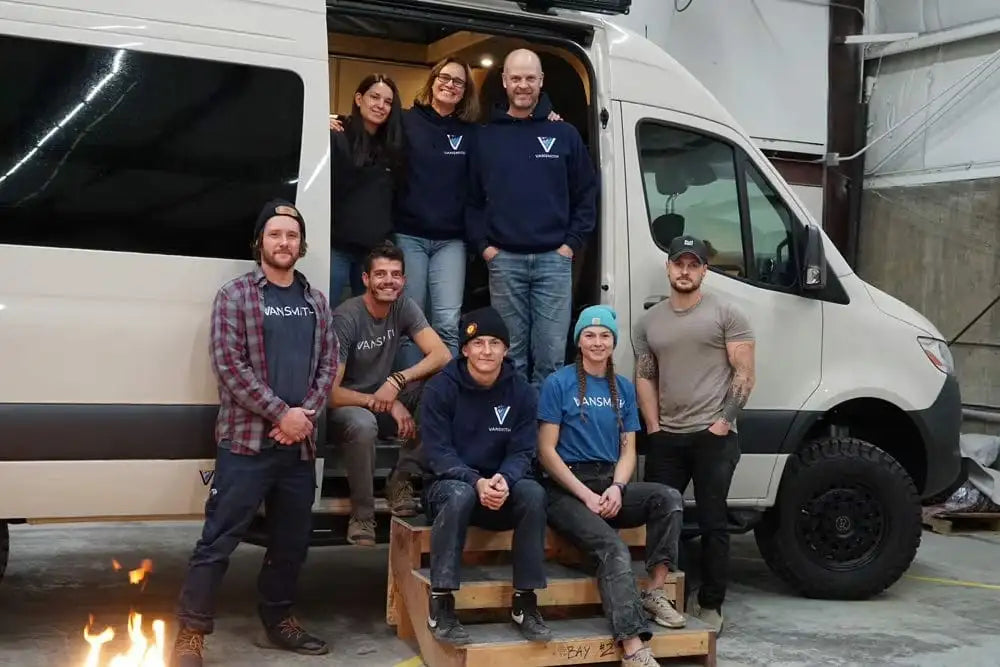
However, if you prefer a professionally built camper van, hire a pro. At Vannsmith, we'll help you save time and money in the long run. We design sources and build smart, safe, and stylish vans.
If you’re dreaming of a specific platform, like a Transit or Sprinter, you can also explore options such as a Ford Transit medium roof camper build or compare AWD vs 4x4 cargo vans before you buy.
Welcome to the van life club. Whether you want a DIY camper van or work with pros like Vansmith, building a quality camper van comes from making smart decisions and having the right van, layout, budget, and build approach. You'll transform your van vision into a real van life and hit the road, living the van life you have long imagined.
Frequently Asked Questions
How do I start to build my dream van?
Begin by selecting the right camper van based on your travel needs, whether solo or with someone, and decide if you need to stand up inside. Consider if you'll be living full-time or just on weekends to choose the appropriate model and size for your custom conversion.
What should I consider when planning my camper van layout?
Focus on essentials like a bed, storage, power, and water. Decide if you need a workspace, shower, or kitchen setup. Sketch your layout using paper or apps to visualize where everything will go before starting the build.
How much does it cost to buy a new camper van?
A new camper van can cost between $53,125 and $80,000 or more, depending on the model. Consider your budget and needs when deciding between a new or used van.
What are essential plumbing components for a camper van?
Essential plumbing components include freshwater tanks, a 12V water pump, gray water tanks, and an electric water heater. These components ensure you have clean water for drinking, cooking, and washing.
Why is it important to have a clear plan when building your dream van?
A clear plan helps you make informed decisions about comfort, safety, and budget. It guides you through selecting the right van, materials, and layout, ensuring a successful camper conversion process.
About the author

Eugene Smit
CEO
Eugene is the CEO of The Vansmith, based in Boulder, Colorado. He writes across topics related to van builds, ownership, and the camper van industry.
Read more about Eugene