Finding the best camper vans for dogs means blending comfort, safety, and function for every adventure. Whether you're designing a van for dogs or exploring ready-made RVs with dog kennels, the goal is the same – create a space where both you and your pet can thrive on the road. Let's explore smart options, practical layouts, and helpful tips for van life with a dog.

For Animal Transport or Grooming

Some travelers use a dog camper van conversion for professional work – grooming, rescue, or animal transport. These vans often include:
-
Secure crates or kennel systems
-
Non-slip floors for safety
-
Ventilation and temperature control
-
Wash-down stations
Professional setups prioritize reliability and hygiene, since a build has to hold up to daily use with an animal on board.
For Travel and Van Life
For everyday living with a dog in a van, your priorities shift toward comfort and convenience. Modular setups let you transform space between lounging, sleeping, and driving.
Essential features include:
-
Soft, durable flooring for easy cleanup
-
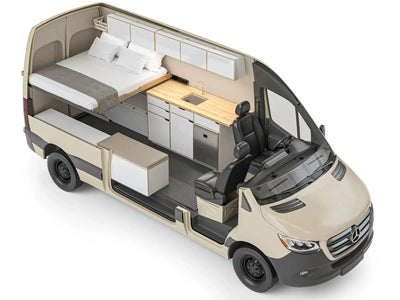
Built-in dog beds or kennels under benches
-
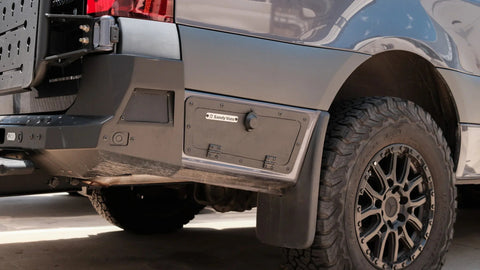
Rear access for muddy adventures
-
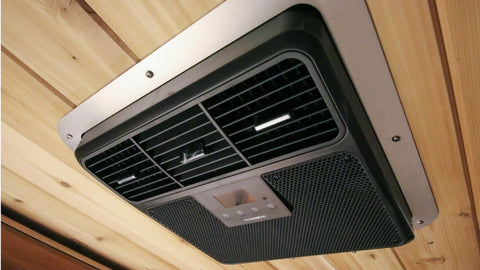
Ample airflow with windows or ceiling fans
Modular setups like this are what turn a van into a real home for both of you.
Essential Features for Canine Comfort and Safety
Climate Control and Monitoring Systems
Dogs are sensitive to temperature, especially in compact builds like a 144 inch wheelbase Sprinter van. According to the National Weather Service, interior vehicle temperatures can rise rapidly even on mild days, so it's critical to manage heat buildup. Install thermostatic heaters, vent fans, or portable AC units to regulate heat. Many vans for dogs now include Bluetooth temperature monitors that alert owners if conditions get unsafe, which is especially helpful given the tighter sprinter 144 interior dimensions and relatively short sprinter 144 cargo length compared to larger wheelbase options.
Dedicated Dog Sleeping and Resting Areas
Designate a specific nook or kennel space to keep your dog comfortable and secure while driving. Use memory-foam pads or cooling mats depending on your climate.
Flooring and Material Choices for Easy Cleanup
Choose marine-grade vinyl or sealed bamboo – these resist scratches and water. Avoid carpet since it traps dirt and fur.
Accessibility Features for Dogs
A low step, rear ramp, or side ladder makes entry easier for older or smaller dogs. Smooth transitions between cab and living areas help reduce joint stress.
Popular Camper Van Chassis and Customization Options
Mercedes-Benz Sprinter Builds
Spacious, durable, and ideal for long-distance travelers with large dogs. According to Mercedes-Benz, the Sprinter 144 wheelbase offers generous interior height and cargo volume, making it a strong platform for custom dog camper van conversions with integrated kennel zones or slide-out crates.
Ford Transit Conversions
A balanced option with strong aftermarket support. Ideal for modular setups that allow flexibility between passenger and pet zones. Ford's Transit cargo van specs highlight multiple roof heights and wheelbase options, which help dog owners tailor interior layouts for crates, beds, and gear.
Ram ProMaster Considerations
The front-wheel-drive layout lowers the floor, giving dogs easier entry and more headroom. According to Ram's official ProMaster information, the low load floor height is a key design feature, making it a great choice for small-to-medium-sized pets.
Specific Pet-Friendly RV and Van Examples
RVs with Built-In Kennels
Keystone Outback and Outback Ultra-Lite 244UBH
These RVs include integrated dog kennels under beds – a clever use of space that keeps pets cool and comfortable. They're among the top picks for anyone seeking an RV with dog kennel features right off the lot.
Thor A.C.E.
Offers a built-in dog window by the passenger seat plus tie-downs near the entryway – ideal for mid-sized dogs who love sightseeing.
When you're weighing a conversion van vs camper van for life with a dog, think about how much you want to customize the space around your pet's needs. A DIY or custom conversion van lets you build in features like slide-out kennel drawers, integrated food and water stations, or gear cubbies sized for leashes, toys, and trail packs. Factory-built camper vans, on the other hand, often come with fixed layouts that may limit where you can safely secure a crate or create a dedicated dog zone. Neither option is wrong, but being honest about how much time you'll spend traveling with your dog helps you decide which route makes more sense.
Storage is another big factor in the conversion van vs camper van decision. Dogs come with a surprising amount of gear - beds, blankets, food bins, medical kits, and sometimes sport-specific equipment like dock-diving toys or skijoring lines. In a custom conversion, you can design under-bed "garage" space tall enough for bins and kennels, or add exterior-access compartments so you're not tracking mud through the living area every time you grab a leash. Many off-the-shelf camper vans don't fully account for this pet-specific storage, which can leave your living space cluttered and harder to keep clean.
Finally, consider how flexible you need the interior to be over time. Puppies grow, senior dogs need ramps and softer landings, and multi-dog households may require separate rest areas. A thoughtfully planned conversion van can evolve with your dog's life stages - swapping a single large kennel for two smaller ones, or converting a lower cabinet into a cozy den as your dog ages. With a standard camper van, you're often working around fixed furniture and limited mounting points, which can make those adjustments harder. Taking the time up front to map out how your dog actually moves, sleeps, and rides in the van will pay off in comfort and safety for years on the road.
Coachmen Spirit/Northern Spirit 3272BH
Features a "Dog Friendly Package" with exterior leash clips, wash stations, and pet dishes built into drawers.
Winnebago Travato and Solis
Compact yet practical. Add portable kennels or built-in crates while maintaining open floor space for gear and beds.
How to Create a Dog Space in Other RVs
If your rig doesn't include pet-specific features, it's easy to adapt:
-
Build a kennel under a bed platform or bench seat
-
Install rubber flooring for traction
-
Add tie-down points for crates
Ready to design a dog-friendly conversion or camper van that actually works for real life on the road? Reach out to The Vansmith to get a quote and start planning a pet-focused layout that fits your adventures.
-
Include small drawers for leashes, bowls, and waste bags
Pair these with window covers and a powered vent to keep the air fresh. At The Vansmith, we also recommend our repairs & installation service for anyone adding vents or tie-downs safely.
Van Life with a Dog: Tips for Living & Traveling with Pets
Van Setup & Comfort
Keep water accessible and use collapsible bowls. Ventilate during naps and use window shades to reduce heat.
Traveling & Daily Life on the Road
Plan breaks every few hours. Dogs need exercise and mental stimulation just like people.
Gear & Emergencies
Carry a canine first-aid kit, spare collar, and digital thermometer. Apps like Waggle monitor temperature remotely – ideal for long stops.
Conversion Van vs Camper Van for Dog Owners
Dog owners often compare traditional conversion vans with adventure-ready camper vans.
Both can work. However, they serve different types of travel.
A camper van for dogs tends to prioritize durability, airflow, and flexible interior space. These features become important when a dog joins the trip.
Conversion vans often include luxury seating and entertainment systems. Those features are comfortable for passengers but can limit space for dog beds, crates, or gear.
For many travelers, a van that supports movement, ventilation, and easy cleaning becomes the best van for dogs over time.
Why the Sprinter 144 Length Works Well for Dogs
The Sprinter 144 wheelbase often becomes a practical option for dog owners.
It provides enough interior room for sleeping and storage while remaining easy to drive in cities or mountain towns.
Over the years, we have seen the Sprinter 144 support a range of dog-friendly setups:
-
Dedicated sleeping space for dogs
-
Rear cargo areas for crates
-
Gear storage for hiking and climbing equipment
That balance makes it a practical camper van for dogs, especially for travelers moving between outdoor destinations.
Key Features and Options for Dog-Friendly RVs
Several features consistently appear in the best rv for dogs.
Built-in Kennels and Crates
Some vans include dedicated spaces for rv with dog kennels or secured crates.
These areas help dogs stay safe while the vehicle is moving.
A properly secured kennel prevents sudden movement during braking or rough roads. The National Highway Traffic Safety Administration recommends restraining pets while driving to reduce injury risk in a crash.
Interior Layout Options
Interior layouts should allow dogs to move comfortably without blocking walkways.
Some layouts include:
-
Under-bed kennel spaces
-
Open floor areas for dog beds
-
Rear cargo areas for crates
Layouts that balance human seating and dog space tend to work best for longer trips.
Safety Features
Safety is a major factor when choosing the best van for dogs.
Helpful features include:
-
non-slip flooring
-
secured crate anchors
-
seatbelt attachments for dog harnesses
These systems help keep pets stable during travel.
Convenience Features
Dog travel introduces extra gear.
Useful features often include:
-
exterior wash stations
-
removable floor mats
-
accessible storage for leashes and bowls
These small details make everyday travel easier.
Climate Control
Temperature control is essential for dog comfort.
Reliable systems include:
-
roof ventilation fans
-
insulated interiors
-
additional airflow through windows
In mountain climates like Colorado, temperatures can change quickly between day and night. Good airflow helps keep the interior comfortable for both people and dogs.
Top Dog-Friendly Vans
Over time, a few vehicles consistently appear when travelers search for the best van for dogs.
Best for Van Life
The Sprinter 144 and Sprinter 170 models often lead the list.
They provide:
-
strong roof ventilation options
-
interior height for movement
-
space for sleeping platforms and dog areas
These features support longer road trips.
Best for Daily Travel
Mid-size vans such as the Ford Transit can work well for shorter trips.
They remain easy to park while still providing room for dog crates or gear. EPA estimates for full-size vans like the Transit and Sprinter, available on fueleconomy.gov, also help owners compare fuel costs for daily driving with pets on board.
Best Small Van
Compact vans like the Transit Connect or smaller European vans offer a lightweight option for dog owners who prefer shorter vehicles.
However, interior space is limited compared with full-size vans.
Best RV Types for Dogs
While vans work well for many travelers, some people explore larger RV categories.
Class A Motorhomes
Class A motorhomes offer large interior space and often include separate sleeping areas for pets.
However, their size makes them harder to maneuver in cities or on narrow roads.
Class C Motorhomes
Class C RVs provide a balance between space and drivability.
Some include rear cargo areas that can function as kennel space.
Fifth Wheels and Travel Trailers
Towable RVs can provide large living areas for pets.
However, they require a towing vehicle and often limit access to remote trailheads or tight campsites.
Class B Camper Vans
Class B vans are often the most practical camper vans for dogs.
They offer:
-
manageable size
-
better access to remote areas
-
flexible interior layouts
For travelers who spend time outdoors with their pets, this combination often works best.
How to Safely Travel With Dogs in a Camper Van
Travel safety matters for both pets and passengers.
Helpful practices include:
-
using secured crates or harness attachments
-
keeping dogs away from the driver's area
-
providing consistent airflow inside the van
Water access and frequent breaks also help dogs stay comfortable during long drives.
How to Keep Your Camper Van Clean With Dogs
Traveling with dogs introduces dirt, sand, and fur. Over time, simple habits keep the interior manageable.
Helpful tips include:
-
using removable floor mats
-
keeping a small handheld vacuum inside the van
-
storing towels for muddy paws near the entry door
Many travelers also keep a small brush or grooming tool in the van for quick cleaning after hikes.
Choosing the Right Van for Life With Dogs
In practice, the best RV for dogs is the one that supports your daily travel habits.
For some people that means a larger motorhome. For others, it means a smaller van that can reach remote campsites and trailheads.
At The Vansmith, we see many vans used for climbing trips, ski travel, and weekend hiking across Colorado. Dogs are often part of those journeys.
A thoughtful interior layout helps the van support both the traveler and the dog comfortably over many miles. When the space works well for both, the road tends to open up naturally.
Final Thoughts
The best camper vans for dogs combine smart design, reliable systems, and pet-friendly features. Whether you travel in a compact dog camper van conversion or a full-size RV with dog kennel options, planning for safety and comfort keeps every journey enjoyable.
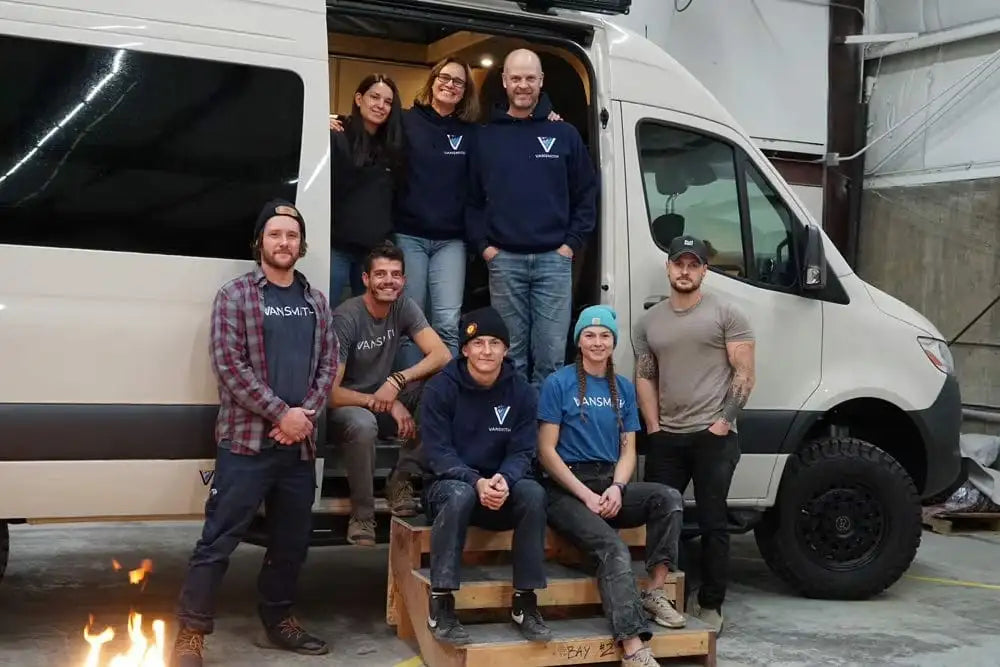
At The Vansmith, we build with your whole crew in mind - two-legged and four-legged alike, helping every traveler explore confidently with their best friend by their side.
FAQs
What is the best RV for dogs?
The Keystone Outback Ultra-Lite and Thor A.C.E. stand out for built-in kennels and pet-friendly layouts.
Can you leave a dog in a camper van?
Yes, briefly and only with proper ventilation, monitoring, and climate control.
Is a camper van big enough for dogs?
Yes – Sprinters, Transits, and ProMasters all have ample room for large breeds if designed with care.
Are there any rules against having dogs in RVs?
Most campgrounds welcome dogs but require leashes and proof of vaccinations.
What van layout is best for dogs?
Open floor plans with under-bed storage and side access doors make the best vans for dogs.
Can a dog travel in a camper?
Absolutely. Use crash-tested harnesses or secured crates for safety on the move.
How to live in a van with a dog?
Keep routines consistent – meals, walks, rest. Store pet gear in easy-reach drawers and plan shaded parking.
What is the 7-second rule for dogs?
If you can't hold your hand on the pavement for 7 seconds, it's too hot for your dog's paws.
About the author

Eugene Smit
CEO
Eugene is the CEO of The Vansmith, based in Boulder, Colorado. He writes across topics related to van builds, ownership, and the camper van industry.
Read more about Eugene