How long does it take to convert a van?" It's one of the first questions every new van lifer asks. Sadly, it's also one of the hardest to answer well. The schedule for van conversions varies wildly based on how complex the build is, skill level, free time (This Old House), and countless surprise factors that seem to plague every build.
After nearly a decade of pro van conversions in Colorado and watching hundreds of DIY builds unfold, we've learned a lot. Solid timeline planning can make the difference between a good build and a project that drags on for years. This in-depth guide breaks down van conversion timelines for both pro and DIY builds, helping you set clear expectations and plan your van life timeline accordingly. When you’re choosing a base vehicle, it also helps to understand factory specs like interior cargo length, roof height, and towing capacity from the manufacturer—Ford publishes detailed Transit dimensions and payload ratings that many builders use as a starting point, and resources like Edmunds van comparison tools can help you compare different platforms before you buy.
The Short Answer: It Depends (But Here Are Real Numbers)
Professional Van Conversion Timeline
-
Design and Planning: 2-4 weeks
-
Build Queue Wait Time: 2-3 months (varies seasonally)
-
Actual Build Time: 2-3 months
-
Total Timeline: 4-6 months from first consultation to road-ready van
DIY Van Conversion Timeline
-
Planning and Design: 1-3 months
-
Material Acquisition: 2-6 weeks
-
Actual Building: 6-18 months (weekend warriors)
-
Total Timeline: 8-24 months from start to finish
The Vansmith Reality Check
Our pro builds usually take 2-3 months of actual work time, but changing demand means people often wait 2-3 months for their build slot. This change through the year is key for planning—summer builds book up quickly, while winter slots may be more open. If you want to see what a finished build looks like before you commit, browse our camper van build gallery for real-world examples and layout ideas.
Professional Van Conversion Timeline Breakdown
Phase 1: Initial Consultation and Design (2-4 weeks)
Week 1: Discovery and Planning
-
Initial consultation to understand your needs and vision
-
Layout discussion and space planning
-
Budget planning and feature prioritization
-
Van selection assistance if needed
Week 2-3: Design Development
-
Detailed layout design and CAD drawings
-
Electrical system planning and sizing
-
Material selection and customization options
-
Cost estimation and project scoping
Week 4: Final Design and Approval
-
Design review and changes
-
Final cost estimation and timeline confirmation
-
Contract signing and deposit
-
Build slot scheduling
Phase 2: Pre-Build Preparation (1-2 weeks)
Material Ordering and Prep:
-
Custom cabinetry CNC cutting and preparation
-
Electrical component sourcing and testing
-
Plumbing component preparation
-
Special order items and lead time management
Van Preparation:
-
Van delivery and inspection
-
Pre-build documentation and photos
-
Any needed mechanical work
-
Clean and prep for conversion start
Phase 3: Actual Build Process (2-3 months)
Week 1-2: Infrastructure Installation
-
Insulation install (featuring Havelock Wool in Green Package builds) (Havelock Wool)
-
Electrical system rough-in and main components
-
Plumbing system rough-in
-
Structural changes and reinforcements
Week 3-4: Major Systems Integration
-
Electrical system completion and testing
-
Plumbing system completion and testing
-
Heating system install
-
Solar system install and integration (Renogy)
Week 5-8: Interior Construction
-
Subfloor and flooring install
-
Cabinet install and fitting
-
Kitchen galley integration
-
Bed platform and storage construction
Week 9-12: Finishing and Testing
-
Interior trim and finish work
-
Lighting install and testing
-
Final system integration and testing
-
Quality control and punch list completion
Phase 4: Delivery and Walkthrough (1 week)
Final Preparation:
-
Complete system testing and verification
-
Interior and exterior cleaning
-
Documentation package preparation
-
Owner's manual and warranty information
Delivery Process:
-
Comprehensive walkthrough of all systems
-
Hands-on training for system operation
-
Final inspection and approval
-
Key handover and celebration!
DIY Van Conversion Timeline Reality
The Planning Phase (1-3 months)
Month 1: Research and Vision Development
-
Studying layouts and system options
-
Budget planning and financing decisions
-
Skill assessment and learning plan development
-
Tool and workspace preparation
Month 2: Detailed Design and Planning
-
Layout design and space planning
-
Electrical system design and component selection
-
Plumbing system planning
-
Material research and sourcing
Month 3: Final Preparation
-
Material ordering and delivery coordination
-
Workspace setup and organization
-
Tool acquisition and setup
-
Build schedule planning
The Building Phase (6-18 months)
Months 1-2: Infrastructure (Weekends + Evenings)
-
Van preparation and cleaning
-
Insulation install
-
Electrical system rough-in
-
Structural changes
Months 3-6: Major Systems
-
Electrical system completion
-
Plumbing system install
-
Heating and cooling system integration
-
Solar system install
Months 7-12: Interior Construction
-
Flooring install
-
Cabinet construction and install
-
Kitchen and bathroom completion
-
Storage system integration
Months 13-18: Finishing and Testing
-
Interior trim and finish work
-
System testing and troubleshooting
-
Final adjustments and improvements
-
Shakedown trips and changes
Factors That Affect DIY Timeline
Available Time Per Week:
-
5-10 hours/week: 18-24 months
-
10-20 hours/week: 12-18 months
-
20+ hours/week: 6-12 months
-
Full-time work: 3-6 months
Skill Level Impact:
-
Experienced builders: Faster execution, fewer mistakes
-
Beginners: Longer learning curve, more trial and error
-
Mixed skills: Some phases fast, others slow
Complexity Factors:
-
Simple layouts: Faster completion
-
Custom designs: Significant time additions
-
Complex electrical systems: Major time investment
-
Plumbing and bathroom additions: Substantial complexity
Seasonal Considerations That Affect Timelines
Summer Building Season (Peak Demand)
Professional Build Considerations:
-
Longest wait times for build slots (3-4 months)
-
Premium pricing during peak season
-
Best weather for outdoor work
-
Highest material costs
DIY Build Advantages:
-
Best weather for outdoor work
-
Longer daylight hours for evening work
-
Comfortable working conditions
-
Easy access to materials and supplies
Winter Building Season (Opportunity Season)
Professional Build Benefits:
-
Shorter wait times (4-8 weeks)
-
Potential cost savings
-
More availability for consultation
-
Less rushed schedule
DIY Build Challenges:
-
Cold weather workspace issues
-
Shorter daylight hours
-
Potential material delivery delays
-
Heating costs for workspace
Spring and Fall (Sweet Spot Seasons)
Balanced Conditions:
-
Moderate wait times for expert builds
-
Good weather for DIY work
-
Reasonable material costs
-
Comfortable working conditions
Common Timeline Killers and How to Avoid Them
Scope Creep and Design Changes
The Problem: Continuously adding features and changing designs during the build process.
Timeline Impact: Can double or triple build time.
Prevention Strategies:
-
Finalize design before starting construction
-
Budget for future improvements rather than current additions
-
Set firm boundaries on design changes
-
Focus on core function first
Material Delays and Supply Chain Issues
Common Problems:
-
Custom components with long lead times
-
Seasonal availability of certain materials
-
Shipping delays and damage
-
Incorrect orders requiring replacements
Mitigation Strategies:
-
Order materials well in advance
-
Have backup options for critical components
-
Build relationships with reliable suppliers
-
Plan buffer time for delays
Skill Learning Curve
DIY Timeline Impact:
-
Electrical work: 2-4x longer than expected for beginners
-
Plumbing install: 2-3x longer without time
-
Cabinet making: 3-5x longer for first-time builders
-
System integration: Significant troubleshooting time
Pro Edge: The Vansmith's skilled team cuts learning curve delays, giving steady timeline results. For safety-critical systems like 120V electrical and propane, it’s worth noting that the National Highway Traffic Safety Administration highlights the importance of compliant vehicle modifications, which can add time if you’re learning as you go. For RV-style systems, the RV Industry Association’s standards and inspection programs are a good reference point for understanding why professional shops build in extra time for testing and safety checks.
Workspace and Weather Issues
Common Delays:
-
Weather preventing outdoor work
-
Workspace access issues
-
Tool availability problems
-
Heating/cooling workspace costs
Planning Solutions:
Ready to start your own build and want a clear van conversion schedule for your project? Contact us to talk through options and get a clear quote.
-
Indoor workspace arrangements
-
Weather-flexible scheduling
-
Tool rental vs. purchase decisions
-
Seasonal work planning
The Vansmith Process: Optimized for Efficiency
Why Our Timelines Are Reliable
Proven Systems:
-
Standardized layouts reduce design time
-
Pre-manufactured components eliminate fabrication delays
-
Established supplier relationships ensure material availability
-
Experienced team eliminates learning curve delays
Quality Control:
-
Professional install prevents rework
-
Comprehensive testing prevents post-delivery issues
-
Warranty coverage provides peace of mind
-
Ongoing support reduces customer downtime
Seasonal Scheduling Strategy
Plan Ahead for Best Results:
-
Book summer builds by February
-
Consider winter builds for faster timeline
-
Spring and fall offer good balance
-
Be flexible with timeline for best availability
DIY Timeline Optimization Strategies
Realistic Planning Approaches
Phase Your Build:
-
Start with essential systems
-
Add features in subsequent phases
-
Plan for living in the van while improving it
-
Budget time and money for future improvements
Skill Development Strategy:
-
Take classes before starting complex work
-
Practice on test pieces before van work
-
Start with simpler projects to build confidence
-
Know when to hire experts
The Vansmith DIY Support Advantage
Professional Components, DIY Timeline:
-
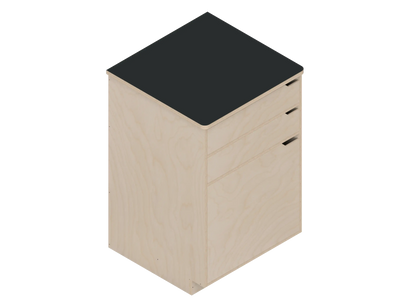
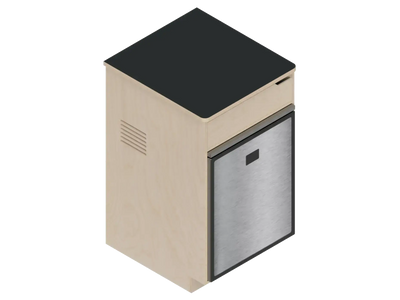
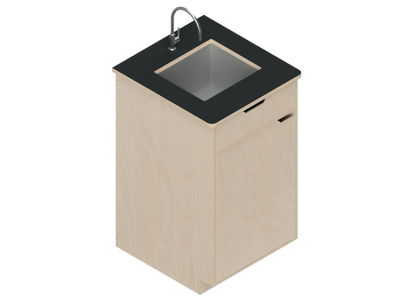
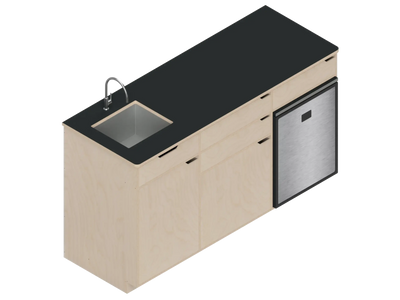
Quality cabinetry starting at $200 reduces construction time
-
Pre-manufactured components eliminate fabrication delays
-
Professional design reduces planning time
-
Installation support reduces troubleshooting time
When to Choose Professional vs. DIY
Professional Build Makes Sense When:
-
Timeline is critical for travel plans
-
Complex systems are required
-
Limited DIY time or time
-
Quality and warranty are priorities
-
Budget allows for expert service
DIY Build Works Best When:
-
Timeline flexibility exists
-
Learning and building skills are goals
-
Budget constraints require cost savings
-
Customization beyond standard options is needed
-
Building process is part of the adventure
Timeline Planning Best Practices
Setting Realistic Expectations
Professional Build Timeline:
-
Add 25% buffer to quoted timelines
-
Plan for seasonal variations
-
Consider material lead times
-
Account for design decision time
DIY Build Timeline:
-
Double your initial estimate
-
Plan for skill learning curve
-
Budget for material delays
-
Include testing and troubleshooting time
Milestone Planning
Critical Timeline Milestones:
-
Design completion and approval
-
Material ordering and delivery
-
Major system installations
-
First system testing
-
Final completion and testing
Contingency Planning
Build Backup Plans:
-
Alternative workspace options
-
Material substitution possibilities
-
Professional help for complex issues
-
Timeline flexibility for unexpected delays
Managing Timeline Expectations
Communication is Key
Professional Builds:
-
Regular progress updates
-
Clear milestone communication
-
Proactive delay notification
-
Transparent problem-solving
DIY Builds:
-
Realistic self-assessment
-
Family and friend expectation management
-
Work-life balance planning
-
Progress celebration milestones
The Long View Perspective
Remember:
-
Quality builds take time
-
Rushing leads to problems
-
Good planning prevents delays
-
The journey is part of the adventure
Ready to Plan Your Van Build Timeline?
Knowing real-world van conversion timelines helps you make smart choices about pro vs. DIY builds, planning around the seasons, and managing expectations. Whether you choose pro construction or tackle it yourself, good project scheduling sets you up for success. As you map out your schedule, it’s also worth checking real-world fuel economy expectations—EPA fuel economy estimates for vans can influence how much driving you plan into your first year on the road, and organizations like AAA share road trip planning tips that can help you match your build timeline to your travel goals.
The key to a good conversion schedule is weighing big goals against real life. Pro builds offer steady timelines and proven results, while DIY builds provide flexibility and cost savings at the expense of time and complexity. For buyers considering a Sprinter-based build, Mercedes-Benz lists official Sprinter cargo dimensions and GVWR ratings, which can help you design within safe weight limits from day one.
The VansmithReady to start planning your camper build schedule? The Vansmith team can help you see clear expectations for both pro builds and DIY projects using our top parts. If you’re still deciding what kind of rig fits your lifestyle, explore our turnkey camper van collection to compare layouts and timelines for ready-to-roll builds, or browse our Mercedes Sprinter camper van conversions if you already know you want a Sprinter-based platform.
From complete pro conversions to single DIY parts that speed your build process, we can help you create a schedule that works for your goals and way of living. Check out our full range of help and products at The Vansmith, or dive straight into our DIY van conversion products if you’re building on your own timeline.
The VansmithYour adventure timeline starts with realistic planning—let's make it happen! When you’re ready to move from planning to action, you can also review our core van conversion services and use the contact form to lock in a build slot that matches your schedule, or explore our latest work in the camper van gallery for inspiration.
Frequently Asked Questions
How long does a professional van conversion usually take from start to finish?
A full professional van conversion typically takes about 4–6 months from your first consultation to a road-ready van. That includes 2–4 weeks of design, 2–3 months of wait time for your build slot, and 2–3 months of actual build time.
What is a realistic DIY van conversion timeline?
Most DIY van conversions take 8–24 months from start to finish, especially for weekend warriors. That includes 1–3 months of planning and design, 2–6 weeks to source materials, and 6–18 months of actual building. To speed things up, many builders start with our ready-made DIY van conversion kits and components instead of building everything from scratch.
Why do van conversion timelines vary so much?
Conversion timelines depend on build complexity, your skill level, how much free time you have, and the inevitable surprises that come up once you start opening up the van. Professional shops also see seasonal swings in demand, which can add wait time before your build even starts.
How far in advance should I book a professional van conversion?
It’s smart to plan at least 4–6 months ahead of when you want to hit the road. Build queues often run 2–3 months, and summer slots tend to book up faster than winter. If you’re on a tighter schedule, you might consider one of our in-stock or in-progress builds in the turnkey vans collection to shorten your overall build timeline, or look at our Ford Transit camper van conversions if that platform better matches your timing and travel needs.
What are the main phases in a professional van conversion timeline?
A pro van conversion typically moves through three main phases: initial consultation and design (about 2–4 weeks), pre-build preparation and material ordering (1–2 weeks), and the actual build process (2–3 months). Each phase builds on the last, so good planning early on keeps the whole project schedule on track.