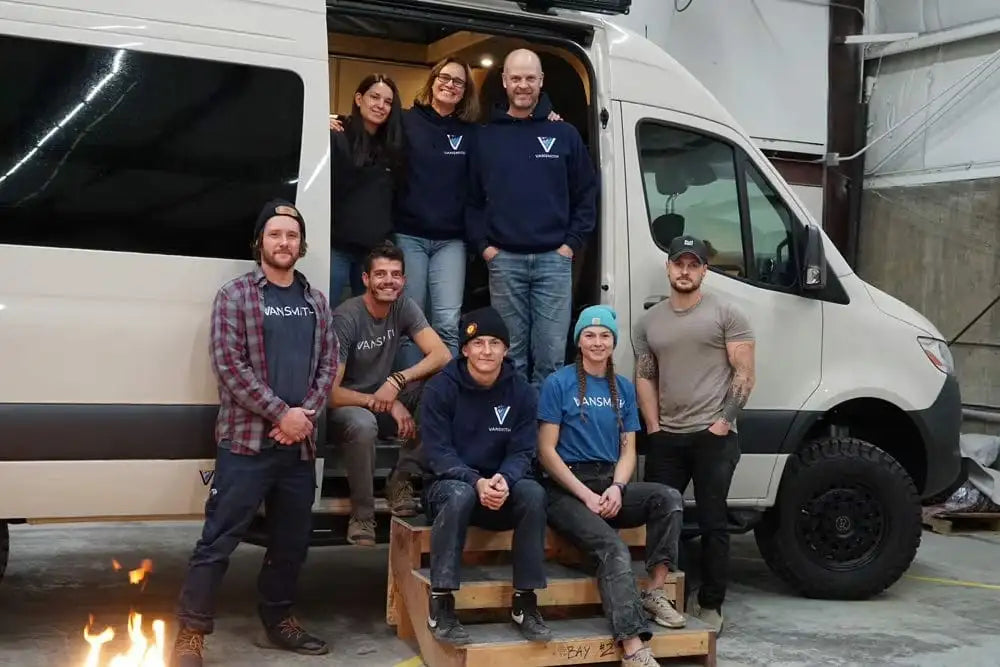
By Santiago Pere, Chief Design Engineer, March 8, 2026
Van build cost usually ranges from about $5,000 for a basic DIY fit-out up to $100,000 or more for a luxury turnkey build. Most mid-range pro builds land between $30,000 and $70,000.
Those ranges exclude the base van and reflect choices about labor model, core systems, supplies, and compliance. In the sections below I walk through the biggest cost drivers, van choice, wiring and plumbing complexity, wall and floor insulation and cabinet choices, and required mechanical upgrades. I also offer practical budgeting steps, trade-offs, and cost-saving strategies you can use to set a realistic build plan.
Quick answer, expected cost ranges for camper van conversions

Basic DIY: $5,000- $20,000 (parts only). Usual pro mid-range: $30,000- $70,000. Luxury turnkey: $100,000+.
| Conversion tier | Typical van conversion cost (excluding base van) | Best for |
|---|---|---|
| Basic DIY | $5,000 - $20,000 | Weekend trips, simple camping, testing van life |
| Professional mid-range | $30,000 - $70,000 | Full-time or extended travel with modern comforts |
| Luxury turnkey | $100,000+ | Premium finishes, maximum comfort, minimal DIY involvement |
These tiers assume the buyer already owns the base van. If youre buying a new Sprinter or Transit, add that van cost to your total budget.
From Ford Transit cargo van pricing and specs and Mercedes-Benz Sprinter panel van information, new full-size vans can easily add tens of thousands of dollars to your total project cost. We suggest using a 10-20 percent buffer to cover surprises.
Typical DIY ranges and what they include
A basic weekend van DIY build centers on insulation, a simple bed platform, basic cabinets, a small power bank, and light plumbing. Expect to pay for supplies - foam board or sheeps wool insulation, plywood framing, a modest 12V battery and inverter, a countertop cooktop, and a portable toilet.
Labor is your time; pro trades are kept small or skipped to keep costs low. From experience, DIYers who plan with care and test systems in small steps avoid the most costly errors.
Typical professional build ranges and what they include
Mid-range pro builds from a trusted shop add built cabinets, built-in power systems with solar and shore charging, and fixed plumbing with water tanks and a shower option. They also include dedicated heating and tough finishes. This level includes design, labor, testing, and often a warranty, which explains the $30k- $70k band.
Turnkey luxury builds push higher for high-end gear, custom hardwood cabinets, full AC systems, and custom layout work. Many buyers skip the build process all the way and start with camper vans for sale that are already professionally converted to lock in a known total cost.
Top-line cost drivers (overview)

There are five groups that tend to move the budget most: the base van, labor model, local labor rates, complexity of wiring and plumbing, and quality of inside finishes. Decisions in each area compound; a cheap base van plus expensive systems can still cost as much as a nicer van with a simpler fit-out.
Before you dig into line items, take a moment to sketch your must-haves so give-and-take choices become clearer.
Base vehicle (purchase price, condition, drivetrain, mileage)
The starting van is the single biggest lever. New Sprinters and Transits carry a premium but reduce repair unknowns. For example, Ram ProMaster cargo van specifications highlight how different roof heights, wheelbases, and payload ratings can change both purchase price and build options.
Used vans lower upfront cost but often add checks, repair, or drivetrain work. Think about how drivetrain, mileage, and shape affect suspension, brake, and transmission work during the conversion. If you prefer to skip sourcing a base vehicle yourself, you can compare current vans for sale that already include the base van and conversion.
Labor model: DIY, partial pro, turnkey conversion
DIY cuts cash outflow but raises time and risk. A hybrid approach, hiring out power, gas, and major repair work while DIYing cabinets and finishes, often gives the best value.
Turnkey saves time and delivers a tested result but comes at a premium.
Geographic and seasonal labor/market effects
Local labor markets matter. Urban build shops and high-demand seasons raise prices.
Planning builds in the shoulder season or using local builders can reduce labor costs slightly, but permits and shipping still add up.
Core systems that move the budget

Electrical: batteries, inverter, charger, alternator, solar panels
Electrical is one of the largest single system costs when done right and can swing your total campervan conversion cost more than many people expect. A solid system has high-capacity batteries, a quality inverter/charger, and an alternator or DC-DC charger for smart charging. It also needs solar panels sized for your use case. This is especially important when you’re estimating a realistic camper van conversion price or comparing something like Mercedes Sprinter conversion cost to other platforms.
Expect electrical alone to be a significant line item in mid-range and higher builds.
Plumbing and HVAC: water tanks, pumps, heater, AC
Plumbed water, pressure pumps, heaters for winter use, and AC for hot-weather comfort all add weight and cost. Simple drain lines and portable gear keep costs low.
Hard-plumbed showers and diesel or propane heaters need pro help and raise the price.
Insulation, vapor barrier, and thermal envelope
Good insulation is a cost that pays back in comfort. Well sealed thermal shells reduce the need for oversized HVAC systems and protect against condensation and rot.
Invest in the envelope early to avoid retrofit costs later.
Build structure and cabinetry: design complexity and materials
Cabinet style and build method are major budget benders. Simple plywood, modular units, or off-the-shelf kits cost far less than custom hardwood cabinets.
Lightweight framing, aluminum frames, and built-in mounting hardware increase toughness but add cost.
Appliances and fixtures: cooktop, fridge, toilet/shower choices
Appliance choice is where personal taste drives price. Compressor fridges, induction cooktops, good toilets and showers are pricey but change the daily experience.
Decide which appliances are must-haves early in your budget process.
Materials, finishes, and their price impacts
Cost differences: plywood vs hardwood vs aluminum cabinets
Plywood is low-cost and easy to fix. Hardwood and exotic veneers look premium and add cost and weight.
Aluminum systems are light and long-lived but at a higher price. Match material choice to planned use and resale goals.
Flooring, countertops, hardware, and upholstery
Flooring and counter choices affect both look and durability. Vinyl plank and laminate are easy on the budget; stone or thick butcher-block tops increase price and weight.
Hardware and upholstery are fairly small line items that can offer big satisfaction when chosen well.
Compliance, safety, and vehicle modifications
Mechanical upgrades: suspension, brakes, cooling systems
Upgrading suspension, brakes, and cooling is key when adding big payload. These upgrades are not optional for safety and will add several thousand dollars based on parts and labor. The National Highway Traffic Safety Administration (NHTSA) vehicle safety guidance emphasizes that braking performance, tire load ratings, and stability systems are critical when modifying vehicles.
Certifications, inspections, and permitted conversions
Permits, pro inspections, and any sign-off needed by local authorities add time and cost. Factor these into your project timeline and budget from the start.
Hidden and recurring costs to budget for
Tools, consumables, and test equipment
Even a DIY build needs tools and test gear. Consumables, fasteners, sealants, and test gear can add up - account for them in the early phases.
Insurance, registration, and fuel economy impacts
Post-conversion insurance and possible changes to registration class may raise repeat costs. Added weight and roof-mounted systems affect fuel use; plan for modest fuel cost increases. According to EPA fuel economy guidance on vehicle weight and drag, extra weight and aerodynamic drag can noticeably reduce MPG, especially on highway drives.
Maintenance and warranty considerations
Professional work often comes with limited warranties; DIY work does not. Budget for planned upkeep and for pro service of high-voltage or fuel systems.
How to set a realistic van conversion budget (step-by-step)
Define use case and must-haves vs nice-to-haves
Start with how youll use the van: weekend trips, full-time living, or remote work travel. Put systems first that give reliability for that use case and delay nonessential luxuries. For example, couples planning long travel might look at camper vans for couples with layouts optimized for two people to benchmark what they really need.
Build a prioritized line-item budget and contingency
List parts and labor, assign rough costs, and add a 10-20 percent buffer. Group items into core systems, comfort upgrades, and visual finishes so you can strip back if needed.
When to DIY and when to hire specialists
Handle cabinetry and finishing yourself to save money. Hire electricians and pros for high-voltage systems, propane or gas work, and any chassis-integrated changes for safety and warranty reasons. If you want to DIY selectively, consider DIY conversion van kits, parts, and accessories that are pre-engineered for van builds to reduce guesswork.
Cost-saving strategies and trade-offs
Phased builds and future-proofing systems
Phase the build: start with a solid power backbone and modular cabinets, then add comforts later. Future-proof wiring and mounting points to make upgrades easier down the road.
Sourcing and buying used components safely
Used appliances can save money but check shape and remaining life. Buy batteries and compressors from trusted sources and test before installation.
Standardization, modular systems, and kit options
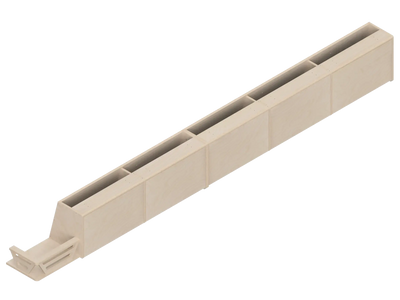
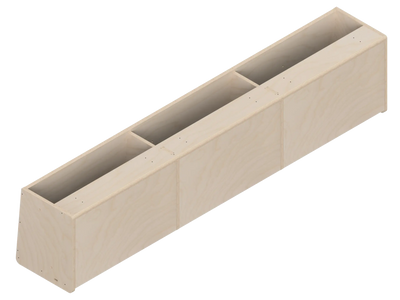
Modular kits and standard panels reduce custom labor. They make upgrades predictable and often cheaper over the life of the van. For example, a dual-unit kitchen galley kit with integrated fridge space or a bench kit with a built-in toilet cutout can simplify both design and installation.
Example budgets and case studies
Basic weekend van: itemized example
Insulation, bed platform, basic 12V system, portable cooktop, and simple cabinets: $5,000- $12,000.
Full-time mid-range build: itemized example
Engineered cabinets, 300- 600 Ah battery bank with inverter and solar, plumbed water and shower option, heater, and tough finishes: $35,000- $65,000.
Luxury turnkey build: itemized example and ROI considerations
Custom hardwoods, full HVAC, large battery bank with built-in management, premium appliances, and full warranty: $100,000+. Consider resale and personal use value when planning the budget for this tier. Looking at converted camper vans currently on the market can help you understand how different feature sets affect asking price.
Practical checklist before you start spending
Pre-buy inspection checklist for the base van
Get a mechanics check focused on drivetrain, frame, and roof condition. Check for leaks, prior damage, and rust before committing to a conversion. Resources like AAA used vehicle inspection tips can help you structure a thorough pre-purchase checklist.
Questions to ask builders and contractors
Ask about warranties, testing steps, system paperwork, and ease of service. Confirm who is responsible for weight math and for starting up electrical and gas systems.
Conclusion, prioritize reliability and resale value
Spend where it matters: a solid electrical system, proper insulation, and reliable repair upgrades give daily value and protect resale. If youre deciding between DIY and pro work, DIY cabinetry plus professional electrical and gas work is a cost-effective middle path.
For help sizing systems or looking at phased builds, check our conversion-van guides and Van Conversion Cost Breakdown posts to compare examples and real budgets. You can also browse our adventure-ready van series to see real-world layouts and feature sets that match different budgets.
If you want expert eyes on your exact van build cost and layout ideas, schedule a consultation with our design team to map out a realistic plan and budget.
FAQ
How much does a typical camper van conversion cost?
Costs vary a lot: expect roughly $5k- $20k for a basic DIY fit-out (parts only), $30k- $70k for a usual pro mid-range conversion, and $100k+ for high-end turnkey builds. These ranges exclude the cost of the base van. If you prefer a ready-to-roll option, compare pricing on Class B camper vans that bundle the van and conversion together.
What are the single biggest factors that increase conversion cost?
The base van choice, labor model (DIY vs pro), the complexity of wiring and plumbing systems, high-end cabinets and finishes, and needed repair upgrades such as suspension and brakes are the largest single drivers.
Can I control costs without sacrificing durability?
Yes. Put safety systems first, a solid electrical backbone, good insulation, and modular designs that allow phased upgrades. Use mid-grade visible finishes and higher-grade materials where durability matters.
Should I hire professionals for electrical and gas systems?
For safety and warranty reasons, hiring certified pros for high-voltage electrical, propane/gas, and van-integrated systems is strongly recommended unless you have proven experience and testing ability.
How much contingency should I include in my budget?
Plan for a 10-20 percent buffer to cover surprise van repairs, quote overruns, extra materials, or design changes during the build.
About the author

Santiago Pere
Chief Design Engineer
Santiago is Chief Design Engineer at The Vansmith. He writes on topics spanning van design, builds, and life on the road.
Read more about Santiago