
Colorado winters have taught us one thing: a good sprinter van heater isn't a luxury. It's a must-have for comfy and safe van life. Whether you're chasing snow sports, checking out winter views, or just stretching your adventure season, the right heater for van use can mean the difference between cozy comfort and miserable cold. That cold can cut adventures short.
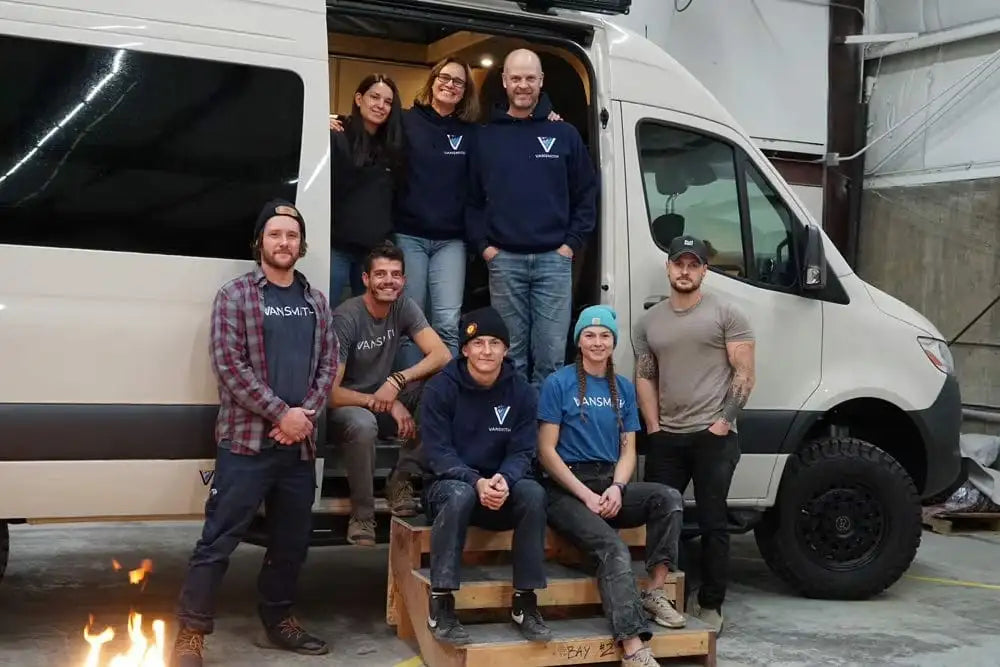
At The Vansmith, we've put in hundreds of van heating systems in our Boulder shop, testing them in everything from mild autumn nights to brutal mountain winter weather. This complete guide covers the best van heating options, from low-cost choices to pro-level systems that keep you comfy in any weather.
Why Van Heating Matters More Than You Think

Safety and Comfort in Cold Weather
Beyond Comfort: A proper van heating system affects:
-
Safety: Preventing dangerous cold exposure during sleep (OSHA)
-
Health: Maintaining safe interior temperatures and humidity
-
Equipment Protection: Preventing water system freezing and electronics damage
-
Sleep Quality: Comfortable temperatures for restful sleep
-
Extended Season: Enabling van life in cold weather conditions
Colorado Testing Advantage
Real-World Performance: Our Colorado location provides genuine testing conditions:
-
Temperature swings from 70°F days to 10°F nights (Weather.gov)
-
High altitude effects on heating efficiency
-
Extended cold periods testing system reliability
-
Varying humidity conditions affecting comfort
-
Real van lifers using systems in demanding conditions
Types of Van Heating Systems
Diesel Air Heaters: The Professional Choice
How Diesel Heaters Work: Diesel air heaters burn diesel fuel to heat air, which is then moved throughout your van via ducting. They run on their own, separate from your van's engine, giving steady heat while parked.
Webasto Air Top Series - The Vansmith Standard:
-
Air Top 2000 STC: 7,000 BTU capacity, perfect for most van conversions
-
Programmable thermostat: Set and forget temp control
-
Low power consumption: Minimal battery drain during operation
-
Quiet operation: Sleep-friendly noise levels
-
Altitude compensation: Performs well at Colorado elevations
Diesel Heater Advantages:
-
Extremely efficient fuel consumption
-
Independent operation from engine
-
Consistent heat output in any weather
-
Long lifespan with proper maintenance
-
Professional-grade reliability
Diesel Heater Considerations:
-
Higher initial cost ($1,000-$2,000 installed)
-
Professional install suggested
-
Requires fuel line connection
-
Annual maintenance needs
-
Complex troubleshooting if problems occur
Propane Heaters: Popular and Accessible
Propane Heating Options:
-
Catalytic heaters: Flameless combustion, very safe
-
Radiant heaters: Direct heat, good for small spaces
-
Forced air heaters: Ducted heat distribution like diesel systems
Propane Advantages:
-
Lower initial cost than diesel systems
-
Easy fuel availability
-
Simple operation and maintenance
-
Good heat output for van applications
-
Familiar technology for most users
Propane Considerations:
-
Fuel consumption higher than diesel
-
Moisture production from combustion
-
Ventilation needs for safe operation
-
Propane tank refill logistics
-
Safety considerations with open flame systems
Electric Heat: When Shore Power is Available
Electric Heating Options:
-
Ceramic heaters: Safe, efficient, thermostat controlled
-
Oil-filled radiators: Even heat distribution, quiet operation
-
Heat pumps: Extremely efficient when conditions allow
Electric Heat Advantages:
-
Clean operation with no combustion
-
No fuel needs or refills
-
Quiet operation
-
Simple thermostat control
-
Safe operation with minimal maintenance
Electric Heat Limitations:
-
Requires shore power or large battery/inverter systems
-
High power consumption limits off-grid use
-
Performance depends on outside temp
-
Limited to campground use for most van lifers
Wood Stoves: Old School Charm
Small Van Wood Stoves: Compact wood stoves made for marine and RV use can work in larger vans with proper setup and safety steps.
Wood Stove Advantages:
-
Romantic ambiance and visual appeal
-
Fuel often available for free
-
Very hot heat output
-
Independent of electrical systems
-
Primitive camping capability
Wood Stove Challenges:
-
Complex install requiring expert help
-
Fire safety concerns and insurance implications
-
Fuel storage and preparation needs
-
Manual operation requiring constant attention
-
Not suitable for all van sizes or uses
Sprinter Van Heater Installation Considerations
Sprinter-Specific Challenges
Space Constraints: Even high-roof Sprinters have limited space for heating systems:
-
Heater unit placement affects layout options
-
Ducting routes must work with interior design
-
Fuel connections require careful routing
-
Exhaust placement affects exterior appearance
Integration with Sprinter Systems:
-
Electrical connections to van's 12V system
-
Fuel line connections for diesel heaters
-
Thermostat placement for optimal control
-
Integration with van's existing wiring
Professional Installation Benefits
Why Professional Installation Matters:
-
Proper fuel line install for safety
-
Correct electrical integration
-
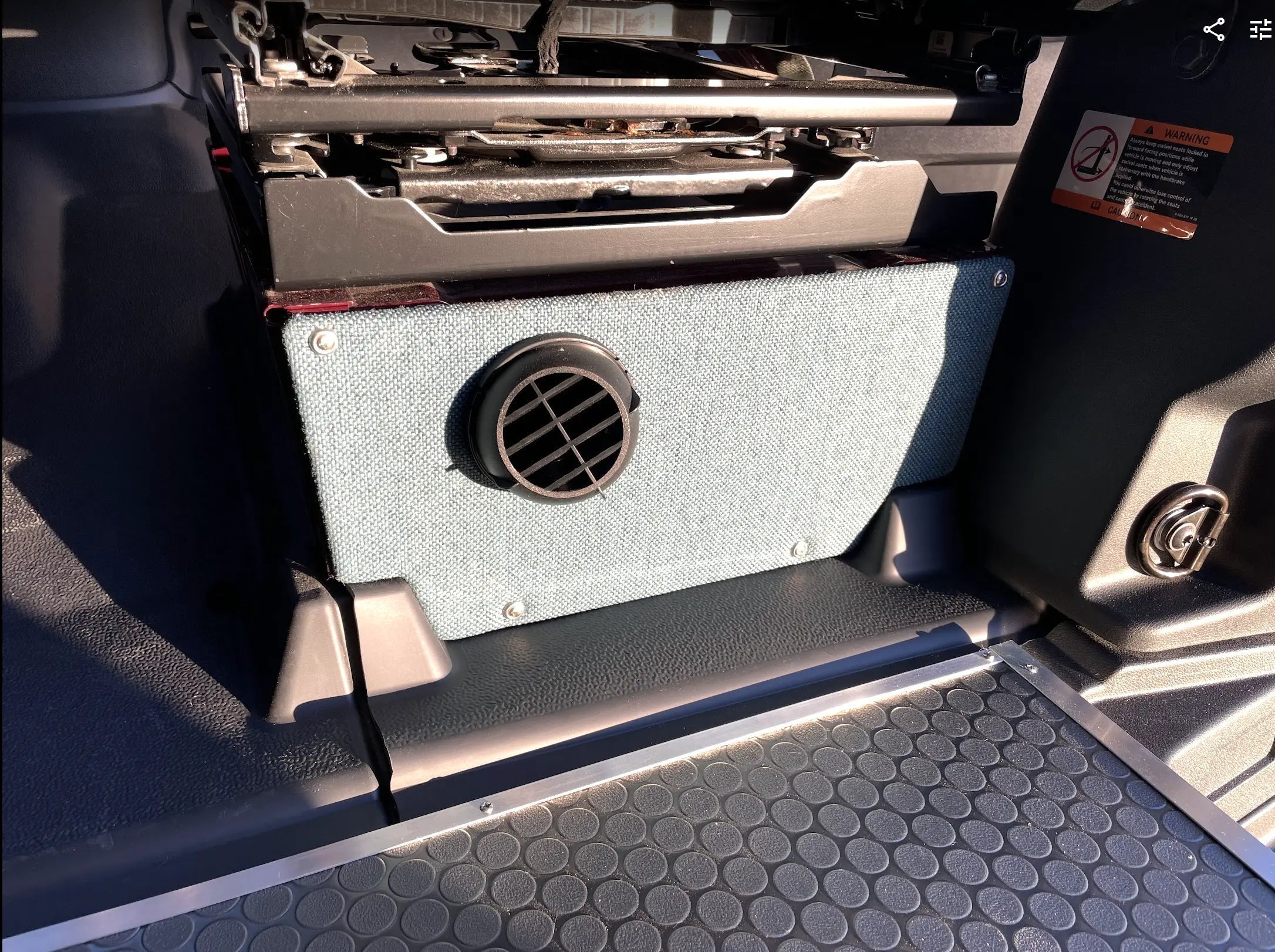
Professional ducting for efficient heat distribution
-
Code compliance for insurance and safety
-
Warranty protection for system components
The Vansmith Installation Process:
-
System selection based on van size and use
-
Professional placement for optimal performance
-
Quality ducting design for even heat distribution
-
Proper electrical integration with van systems
-
Comprehensive testing and customer training
Heating System Sizing for Your Van
BTU Requirements by Van Size
Sprinter 144" Wheelbase:
-
Well-insulated: 5,000-7,000 BTU adequate
-
Average insulation: 7,000-10,000 BTU suggested
-
Poor insulation: 10,000+ BTU required
Sprinter 170" Wheelbase:
-
Well-insulated: 7,000-10,000 BTU adequate
-
Average insulation: 10,000-14,000 BTU suggested
-
Poor insulation: 14,000+ BTU required
Factors Affecting Heating Requirements:
-
Insulation quality and thickness
-
Window area and quality
-
Van usage patterns (full-time vs. weekend)
-
Climate zones where you'll travel
-
Personal comfort preferences
The Vansmith Sizing Approach
Comprehensive Assessment: We size heating systems based on:
-
Actual van insulation and construction
-
Intended use patterns and travel areas
-
Customer comfort preferences
-
Integration with other van systems
-
Long-term reliability needs
Fuel Efficiency and Operating Costs
Diesel Heater Efficiency
Fuel Consumption Reality:
-
Webasto Air Top 2000: 0.1-0.24 gallons per hour
-
Typical night operation: 1-3 gallons diesel consumption
-
Cost per night: $3-$10 depending on outside temp
-
Seasonal fuel cost: $200-$800 depending on use
Propane Heater Efficiency
Propane Consumption:
-
Typical propane heater: 0.25-0.5 gallons per hour
-
Cost per night: $4-$15 depending on temp
-
20-lb propane tank: 2-7 nights depending on conditions
-
Seasonal fuel cost: $300-$1,200 depending on use
Operating Cost Comparison
Long-Term Economics:
-
Diesel heaters: Higher initial cost, lower operating costs
-
Propane heaters: Lower initial cost, higher operating costs
-
Electric heaters: Moderate costs when shore power available
-
Break-even point typically 2-3 seasons of regular use
Installation Process and Requirements
Diesel Heater Installation
Major Installation Steps:
-
Heater Unit Mounting: Secure install in accessible location
-
Fuel Line Installation: Professional-grade fuel line from tank
-
Air Intake and Exhaust: Proper routing for safe operation
-
Ducting Installation: Heat distribution throughout van
-
Electrical Integration: Proper connections to van's 12V system
-
Thermostat Installation: Convenient location for temp control
Professional Installation Requirements:
-
Fuel system certification for safety
-
Proper exhaust install preventing carbon monoxide
-
Electrical integration meeting safety codes
-
Testing and commissioning for reliable operation
Propane Heater Installation
Installation Considerations:
-
Propane system integration with existing van propane
-
Proper ventilation for safe combustion
-
Carbon monoxide detection needs
-
Professional gas line install
-
Adequate clearances for safe operation
Safety Considerations for Van Heaters
Carbon Monoxide Prevention
Critical Safety Measures:
-
Professional install of combustion heaters
-
Carbon monoxide detectors with battery backup
-
Proper ventilation for combustion air
-
Regular maintenance of heating systems
-
Annual inspection of exhaust systems
Fire Safety
Fire Prevention Strategies:
-
Proper clearances around heating equipment
-
Fire extinguisher rated for various fire types
Ready to install a solid sprinter van heater in your build? Explore our services to see how we design and install heating systems that really work in real winter weather.
-
Quality install preventing fuel leaks
-
Regular maintenance preventing system failures
-
Emergency procedures for heating system problems
Ventilation Requirements
Proper Air Exchange: Even with safe heaters, adequate ventilation prevents:
-
Carbon monoxide buildup from any combustion
-
Excessive humidity from cooking and breathing
-
Stale air and poor air quality
-
Condensation problems leading to mold
Heating System Maintenance
Diesel Heater Maintenance
Annual Service Requirements:
-
Combustion chamber cleaning and inspection
-
Fuel system inspection and cleaning
-
Electrical connection inspection
-
Exhaust system inspection
-
Control system calibration and testing
DIY Maintenance Tasks:
-
Filter replacement as needed
-
Visual inspection of connections
-
Testing of system operation
-
Cleaning of air intake screens
-
Monitoring of fuel consumption patterns
Propane Heater Maintenance
Regular Maintenance:
-
Annual propane system inspection
-
Cleaning of heater components
-
Testing of safety systems
-
Inspection of gas lines and connections
-
Carbon monoxide detector testing
Troubleshooting Common Heater Problems
Diesel Heater Issues
Common Problems and Solutions:
-
Won't Start: Check fuel supply, electrical connections, altitude settings
-
Runs Rough: Clean combustion chamber, check fuel quality
-
Excessive Noise: Check mounting, inspect exhaust system
-
Poor Heat Output: Clean air filter, check ducting for blockages
-
High Fuel Consumption: Service combustion chamber, check thermostat
Professional Diagnostic Services
When to Call Professionals:
-
Complex electrical problems
-
Fuel system issues
-
Combustion problems
-
Warranty work needs
-
Annual service and inspection
Cost Analysis: Heating System Investment
Initial Investment Comparison
Diesel Air Heater (Professional Installation):
-
Webasto Air Top 2000 STC: $1,200-$1,800 installed
-
Includes heater, ducting, thermostat, expert install
-
3-year warranty on major components
-
Annual service costs: $150-$300
Propane Heater (Professional Installation):
-
Quality forced air propane heater: $800-$1,500 installed
-
Includes heater, ducting, gas lines, expert install
-
Warranty varies by manufacturer
-
Annual service costs: $100-$200
DIY Installation Savings:
-
Diesel heater DIY: Save $400-$800 on install
-
Propane heater DIY: Save $300-$600 on install
-
Requires proper tools, skills, and safety knowledge
-
May void warranties if improperly installed
Long-Term Value Consideration
Total Cost of Ownership:
-
Initial cost plus fuel costs over expected life
-
Maintenance and service costs
-
Reliability and replacement considerations
-
Impact on van life comfort and safety
-
Resale value impact on van conversion
Regional Climate Considerations
Cold Weather Performance
Extreme Cold Capability:
-
Diesel heaters: Reliable operation to -40°F
-
Propane heaters: May struggle below 0°F
-
Electric heaters: Least effective in extreme cold
-
Altitude effects on all combustion heaters
Humid Climate Considerations
Moisture Management:
-
Diesel heaters produce dry heat
-
Propane heaters produce moisture from combustion
-
Adequate ventilation essential in humid conditions
-
Dehumidification may be needed with propane systems
The Vansmith Heating Solution
Our Professional Approach
Comprehensive Heating Solutions:
-
Professional assessment of heating needs
-
Quality component selection for van applications
-
Expert install ensuring safety and reliability
-
Comprehensive testing and customer training
-
Ongoing support for maintenance and service
Customer Success Stories
Colorado Winter Reliability: "Our Webasto heater from Vansmith has kept us warm through two Colorado winters of full-time van life. Professional install was worth every penny for the steady heat and peace of mind.
Extended Season Adventures: "The heating system has stretched our trip season by months. We can now camp in comfort in weather that would have been rough before.
Ready to Stay Warm on Your Adventures?
A solid sprinter van heater turns van life from a good-weather activity to a year-round way to live. Whether you choose a pro diesel setup for strong, steady heat or a simpler propane setup for weekend trips, the right heating system allows comfy van life in any weather.
The key to good van heating is matching your system to your real needs, travel patterns, and budget while making sure a pro handles the install for safety and steady performance. Don't let cold weather limit your trips when solid heating options can keep you comfy anywhere.
The VansmithReady to explore heating options that will stretch your adventure season and boost your van life comfort? The Vansmith team focuses on pro heating system installs that keep you warm and safe in any weather.
From Webasto diesel heaters to propane options, we can help you choose and install the heating system that matches your van life goals. Check out our complete heating system work at The Vansmith.
The VansmithYour warm and easy trips are waiting let's make cold weather van life work just right for you!
Frequently Asked Questions
What size sprinter van heater do I need for winter camping?
For most Sprinter van conversions, a heater in the 7,000 BTU range (like the Webasto Air Top 2000 STC) is enough to keep the space comfortable in real winter conditions. Proper insulation and sealing drafts are just as important as heater size for staying warm.
Is a diesel sprinter van heater better than a propane heater?
Diesel air heaters are more efficient, run independently from the engine, and offer consistent, professional-grade heat in all weather. Propane heaters usually cost less up front and are easy to fuel, but they burn more fuel and often need more user attention to manage safely and efficiently.
How does a diesel air heater work in a Sprinter van?
A diesel air heater burns diesel fuel in a sealed chamber and uses a fan to push warmed air through ducting into your van. It pulls a small amount of power from your electrical system but runs separately from the engine, so you get steady heat while parked.
Why is a heater so important for van life in cold climates?
A proper van heating system protects you from dangerous cold exposure, helps maintain healthy humidity, and keeps water systems and electronics from freezing. It also improves sleep quality and lets you comfortably extend your travel season into real winter conditions.
Do diesel van heaters work well at high altitude, like in Colorado?
Quality diesel heaters with altitude compensation, like the Webasto Air Top series, are designed to handle thinner air at elevation. In Colorado, we’ve tested these systems in big temperature swings and extended cold spells, and they’ve proven reliable when properly installed and maintained.