The best Ford van models for conversion in 2026 are the Transit Cargo and Passenger vans, with High Roof and Extended Length options delivering up to 487 cubic feet of space and 81.5 inches of standing height. These vans offer unmatched flexibility, advanced factory upfitter support, and technology that make them a top pick for camper, adventure, and family builds. With more than 120 variants globally and a focus on US upfit readiness, the 2026 Transit lineup stands out for buyers seeking a reliable, feature-rich conversion platform. Choosing the right model is all about matching your needs-whether that's solo travel or a family road trip-to the right length, roof height, and factory options.
Overview of 2026 Ford Van Models
 The 2026 Ford Transit lineup continues to set the bar for conversion-ready vans. You can pick from Cargo Van, Passenger Van, Chassis Cab, and Cutaway versions, each tailored to different build goals. For most people looking to create a camper, adventure rig, or family hauler, the Cargo and Passenger vans are the main focus.
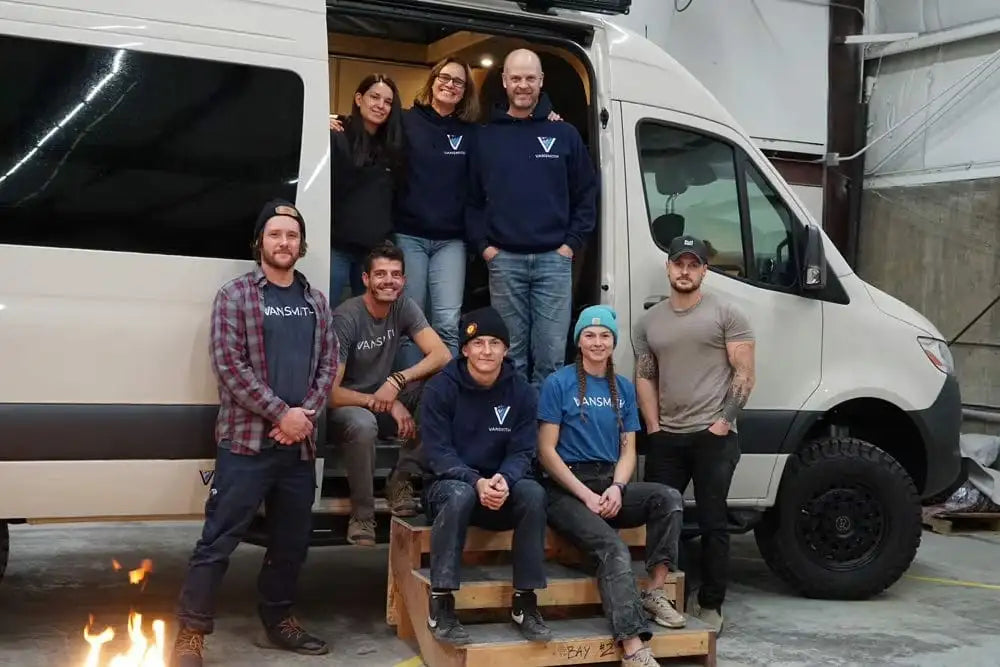
Ford made some smart updates for 2026. Most trims now get the SYNC® 4 infotainment system with a big 12-inch touchscreen, plus better safety and driver-assist features. That means your van is as easy to live in as it is to drive. High Roof models, standing at 110.1 inches tall, are by far the most popular for conversions. They're tall enough for most adults to stand up and move around, which makes a world of difference when you're living on the road. In fact, about 90% of our clients at The Vansmith go high roof for this reason.
Cargo volumes start at 246.7 cubic feet for a Regular Length, Low Roof, and go all the way up to 487.3 cubic feet if you opt for the High Roof, Extended Length model. That’s almost double the usable space of some competitors, letting you fit everything from bikes to bunks with room to spare. The all-electric E-Transit is still offered, but its lower payload and range make it better for mobile offices or urban builds than for off-grid adventure. If adventure with family or friends is your goal, the Passenger Van can seat up to 15 people, offering loads of flexibility for group trips and family excursions.
Globally, there are over 120 body, engine, and weight variants in the Transit family, but the US 2026 models put their energy into upfit flexibility and improved safety. For vanlifers, that means more choices and more confidence in your build, whether you’re solo or packing up the kids and dogs for the weekend.
Transit Cargo Van: Core Platform for Conversion
The Transit Cargo Van is the go-to choice for serious conversions. You get a blank canvas-no seats, no frills-just maximum storage and flexibility. It comes in three lengths: Regular (219.9 inches), Long (237.6 inches), and Extended (263.9 inches). For those who want the most interior room, the Extended Length combined with the High Roof is a game changer, offering 172.2 inches of floor length and 81.5 inches of interior height. That’s enough for a full bed, a galley kitchen, and even a shower if you want to get fancy.
Payload capacity tops out at 5,103 pounds, so you can add water tanks, batteries, cabinetry, and adventure gear without worry. Standard rear-wheel drive keeps things simple, but if you plan to chase powder or camp in muddy spots, the available Intelligent All-Wheel Drive is a must-have for better traction. The factory RV Prep and Upfitter packages are a huge plus for DIYers and pros alike, with pre-installed wiring, dual alternators, and reinforced mounting points all ready for your upgrades.
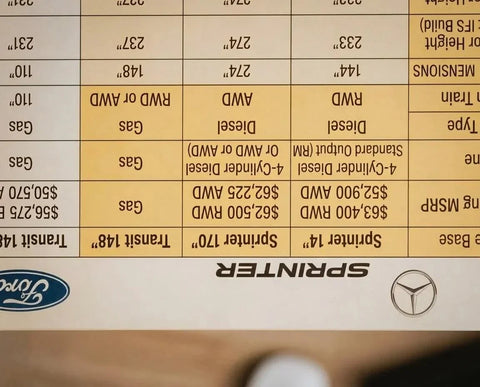
Pricewise, a 2026 Transit Cargo Van starts around $47,400, but expect to pay north of $60,000 for the High Roof, Extended Length, or AWD versions with all the must-have options. In our experience, investing in the right factory options upfront saves time and lots of headaches down the road. For more on how we build out Cargo Vans, check out our process overview or explore the DUO XL layout.
Transit Passenger Van: Family & Group Conversion Potential
If adventure means bringing the whole crew, the Transit Passenger Van is built for you. With seating for up to 15, it’s a solid base for family and group builds. You can pull out the seats to open up more living space, but keep in mind that the trim panels and seat anchor points take up some of the floor compared to Cargo models. This can affect cabinetry placement or storage, so it’s worth mapping things out before you start your build.
Passenger Vans come with extra perks: side curtain airbags, rear climate controls, and more insulation for a quieter, comfier ride. High Roof/Extended Length Passenger Vans have nearly the same interior standing room and cargo space as their Cargo siblings, so you’re not sacrificing comfort for flexibility. Upfitter packages for Passenger trims make it easier to install custom seating, beds, or storage, so you can tailor the rig to your family’s needs.
Base MSRPs start at about $51,000 for 2026, but higher trims with all the bells and whistles can get close to $70,000. For families who want safety, comfort, and easy upgrades, it’s a strong contender. You can see how we approach family-friendly layouts on our Family Van page or dig into our vans for couples lineup for two-person adventure rigs.
2026 Ford Transit Features & Technology for Conversions
 Ford loaded the 2026 Transit with tech that makes both the drive and the build easier. The SYNC® 4 system is now standard on most trims, featuring a 12-inch touchscreen with wireless Apple CarPlay and Android Auto. This keeps your maps, music, and podcasts within easy reach, even as you roam off-grid. The driver-assist suite, Ford Co-Pilot360®, brings lane-keeping, adaptive cruise, blind spot monitoring, and Pre-Collision Assist-features that are a big help when you’re piloting a big rig down twisty mountain roads.
Powertrain choices include a 3.5L PFDi V6, a turbocharged 3.5L EcoBoost V6, and the E-Transit electric option for those sticking to city limits. The available Intelligent All-Wheel Drive gives peace of mind for winter or backcountry travel. One feature we love for conversions is the Upfitter Interface Module (UIM), which lets you tap into the van’s electrical system to run lights, fans, or even a full HVAC setup without hacking factory wiring. Dual alternators are available too, supporting high-power setups like induction cooktops or big batteries for off-grid living.
Other touches-USB-C fast charging, improved cabin ergonomics, and optional power sliding doors-make daily life on the road a little smoother. These details matter when you’re living, not just commuting, in your van. If you want to see how we integrate these features, check out our custom van build page for inspiration.
Conversion-Friendly Options: Prep Packages & Upfitter Support
For anyone planning a serious conversion, the RV Prep Package is a must. It adds high-capacity wiring, reinforced roof structure, and extra fuse circuits, making it way easier to install things like solar, A/C, and high-watt gadgets. Ford’s upfitter switches and harnesses are pre-wired from the factory for lights, fans, and other accessories. That saves a ton of time and keeps your build clean and reliable.
Swivel seat options for both driver and passenger turn the front cabin into extra living space, while enhanced insulation and sound deadening (factory or custom) mean your van is quieter and more comfortable year-round. Dual battery setups keep your house battery system isolated from the starter battery, so you can run everything from laptops to induction stoves without worry. Factory rear HVAC prep lets you add aftermarket air conditioning or heating with less hassle-a real plus for four-season use.
At The Vansmith, we build on these factory options with upgrades like solar panels, battery systems, custom window installs, heaters, and more. We’ve found that starting with a well-prepped Transit saves you time and money while delivering a safer, more reliable result. To learn more about these upgrades, visit our Foundation builds page or check out our van build blog for real-world examples.
Safety, Security, and Drivability Advantages
Safety is a big deal, especially in a van that doubles as your home. The 2026 Transit comes standard with Pre-Collision Assist and Automatic Emergency Braking, giving you a safety net in busy traffic or long road trips. Side Wind Stabilization and Roll Stability Control help keep high-roof builds steady in crosswinds or rough weather-something you notice quickly on mountain passes.
Blind Spot Information with Cross-Traffic Alert is standard or available on most trims, helping you merge and change lanes with confidence. The optional 360-degree camera is a lifesaver for parking or squeezing into tight trailheads. Security gets a boost too, with remote keyless entry and FordPass® Connect for remote start, locking, and tracking. These features make life easier, but also give peace of mind when you park in unfamiliar places.
The 2026 Transit also adds improved side-impact protection and robust crumple zones, which matter for families and anyone spending serious time on the road. For folks managing multiple vans or fleet builds, Ford Pro™ Telematics offers remote diagnostics and fleet tracking. For more details on safety upgrades and custom installs, see our service offerings and learn how we keep your van ready for any road.
Comparing Ford Transit to Other Popular Vans for Conversion
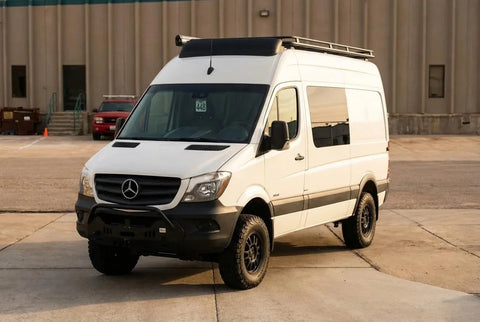
 When you stack up the 2026 Ford Transit High Roof/Extended against other big names, the numbers speak for themselves. At 263.9 inches long, 81.3 inches wide, and 110.1 inches tall, it matches the Mercedes Sprinter 170 Extended on length and beats it on interior width and roof height. Transit’s cargo volume (487.3 cu ft) is only slightly less than the Sprinter’s 530 cu ft, but the extra width means you can actually sleep side-to-side, which is huge for maximizing sleeping space.
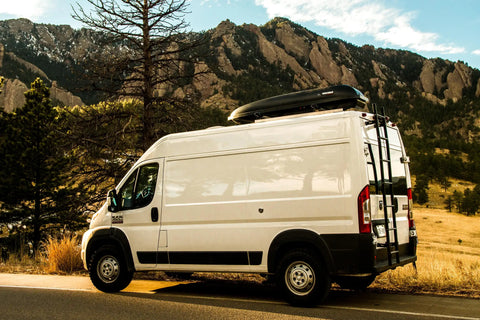
The available All-Wheel Drive system is a big step up over the rear-wheel-only Ram ProMaster and puts Transit on par with Sprinter for backcountry access. The lower step-in height (about 28 inches) is more accessible for families or anyone with mobility concerns compared to the Sprinter’s 31-inch step-in. When it comes to cost, the Transit usually comes in $5,000-$10,000 less than a comparable Sprinter, which can be a major factor if you’re budgeting for an adventure build.
Ford’s dealer network is broader than Mercedes-Benz’s in the US, so finding service is easier whether you’re on the East Coast or deep in the Rockies. The Transit’s factory RV and upfitter packages are also considered among the best for conversion-readiness, making the whole process smoother and more reliable from start to finish. For more on how Transit stacks up, see this MotorTrend review or the What Car? comparison.
Pros and Cons of the 2026 Ford Transit for Conversion
The pros list for the Transit is long: best-in-class roof height, tons of upfitter support, advanced safety tech, competitive pricing, and unbeatable dealer support. The extra interior width (70.2 inches) lets you install true side-to-side beds, which isn’t possible in most Sprinters. Flat walls inside also make cabinetry and modular furniture installs simpler and cleaner.
There are a few cons to keep in mind. Base trims can feel pretty stripped, so you may want to budget for upgrades, especially insulation and sound deadening. The All-Wheel Drive option adds over $4,000 to the sticker price, but for mountain or snowy conditions, it’s often worth it. E-Transit electric models, while great for city builds, have limited range (about 126 miles per charge) and lower payload, so they’re less suited for remote or off-grid builds. Gas engines are reliable, but if you’re chasing maximum fuel economy, the diesel Sprinter has a slight edge.
On the plus side, resale value for well-built Transit conversions remains strong. Demand is high and the platform appeals to a wide market, so your investment is likely to hold up well over time. For more real-world pros and cons, read the MotorTrend and What Car? expert reviews.
Selecting the Right Ford Van Model for Your Conversion Goals
Picking the right Ford van model is about matching your goals and lifestyle to the van’s specs. Solo travelers and couples usually gravitate to Medium or High Roof/Long vans for a sweet spot between drivability and interior space. These builds are easy to park, but still give you room for a bed, storage, and a cozy living area.
If you need more sleeping and living space-think families, pets, or longer trips-the High Roof/Extended Length is the clear winner. That extra floor space makes a huge difference for bunk beds, gear storage, or even a compact bathroom. Mobile office or remote work builds often start with Passenger Van trims, thanks to factory windows, built-in insulation, and power sliding doors. That means less retrofitting and a more polished finished product.
Upfitter, RV Prep, and dual alternator options are crucial for anyone planning off-grid living or advanced systems. For those braving winter or mountain travel, the AWD option is a major boost in confidence and safety. At The Vansmith, our DUO, DUO XL, and Family layouts are designed to make the most of the Transit’s space, comfort, and adventure features. See more details on our Transit conversions and Family XL layout pages.
In most cases, starting with a new Transit that already has your preferred options pays off. It cuts down on retrofit costs and means your van is ready to build, not just ready to drive. If you want to explore more layout ideas or talk through your options, reach out to our team or browse our DIY van build blog for inspiration.
How The Vansmith Optimizes Ford Transit Conversions
We love building on the Ford Transit platform because its wide interior lets us install true side-to-side beds-perfect for couples or families who want to maximize sleeping space. All our layouts, from the DUO to the Family XL, are designed to plug right into the Transit’s factory wiring and upfitter prep, making installs for solar, electrical, and plumbing safe and seamless.
We tailor every build with options like swivel seats, insulated floors and ceilings, and modular cabinetry that fit the Transit’s flat, straight walls and roomy high roof. For those who need all-weather comfort, we offer heater, solar, and suspension upgrades, drawing on years of experience building Colorado-tough vans for four-season use. Our full custom and pre-designed layouts can include pop-tops, showers, eco-friendly systems, and more-all optimized for adventure and comfort.
Service and support are part of the package too. We offer electrical troubleshooting, heater service, battery upgrades, and all the essentials to keep your Transit running smoothly wherever you roam. Want to see what’s possible? Explore our Ford Transit conversion gallery or read real stories on our van build blog.
FAQ
What is the best Ford van model for camper van conversion in 2026?
The 2026 Ford Transit Cargo Van, especially with the High Roof and Extended Length, stands out as the best choice for camper conversions. It offers a huge, open interior, factory wiring and upfitter support, and space for all your systems and gear. This flexibility makes it the top pick for custom builds, whether you’re a solo traveler or building for the whole family.
How does the 2026 Ford Transit compare to the Mercedes Sprinter for vanlife builds?
The 2026 Ford Transit offers a wider interior (70.2 inches compared to the Sprinter’s 69.4 inches), a higher roof, and usually a lower starting price. The Sprinter provides a bit more maximum cargo volume and diesel engine options, but the Transit’s easier service network and strong upfitter support make it a favorite for US-based builds. For more details, see the MotorTrend and What Car? reviews.
What features make the 2026 Ford Transit suitable for off-grid or adventure van builds?
Key features include optional Intelligent All-Wheel Drive, dual alternators for off-grid power, factory upfitter and RV Prep packages, and class-leading interior height. These all make the 2026 Transit an excellent pick for adventure and off-grid living. The Vansmith builds on these strengths with upgrades like solar and custom electrical systems.
Can you install a true side-to-side bed in a Ford Transit van?
Yes, you can. The 2026 Ford Transit’s interior width of 70.2 inches allows for side-to-side bed installs, which maximizes sleeping space and is a big plus for couple and family builds. This is something that sets the Transit apart from many other vans.
What is the price range for a new 2026 Ford Transit van suitable for conversion?
A new 2026 Ford Transit Cargo Van starts around $47,400, with well-equipped High Roof/Extended Length or AWD models going over $60,000. Adding factory options like upfitter prep and RV packages is worth the investment for a smoother, safer conversion process.